When Time Became Jewellery: The Five-Century History of Gem-Set Watches
—
A watch has always been about more than telling the time. Long before diamonds were arranged around the bezels of contemporary luxury timepieces, watches were objects of fascination, crafted for people who wanted to own something rare, beautiful and mechanically extraordinary.
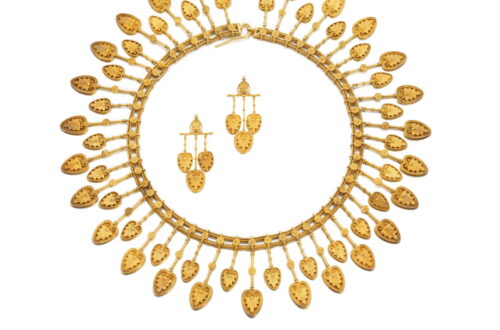
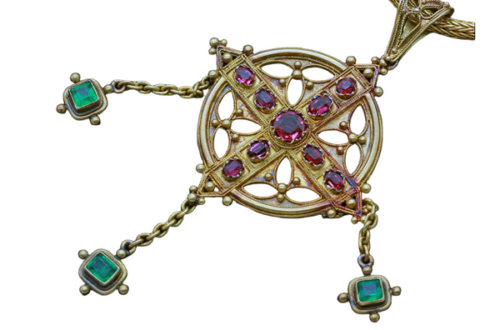
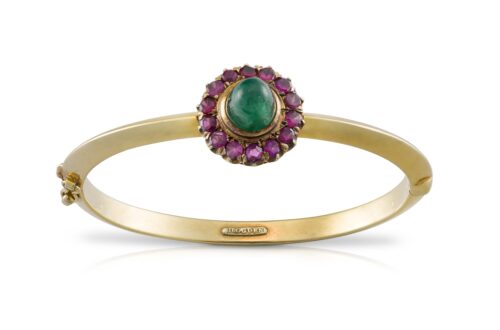
The practice of setting gemstones into watches reaches back to the 16th century, when portable timepieces were still relatively new. They were expensive possessions, often commissioned by wealthy patrons and members of royal households. Their makers were not simply constructing instruments for measuring time; they were creating miniature works of art.
And that distinction would shape the future of luxury watchmaking.
The Renaissance: When watches became objects of desire
During the 16th century, watches were often incorporated into jewellery. Their cases could be fashioned from gold, decorated with enamel, engraved with intricate patterns or set with precious stones.
Some were designed as pendants, others as rings, and a number were made to be worn as ornaments rather than carried as conventional timekeepers.

One particularly revealing example comes from the collection of Queen Elizabeth I of England. Her royal inventory describes a gold bracelet watch, or armlet, decorated with rubies and diamonds, with a clock incorporated into its clasp.
It is a remarkable reminder that the relationship between jewellery and horology is not a modern marketing invention. More than four centuries ago, the two crafts were already working together.
The Metropolitan Museum of Art also documents elaborate watch designs from this period, including watches incorporated into rings and ornamental objects. These were not everyday accessories. They were demonstrations of wealth, craftsmanship and access to specialist artisans.
The Geneva story — and the John Calvin myth
There is a familiar story about the origins of Geneva’s luxury watchmaking industry.
According to the traditional account, religious reformer John Calvin introduced restrictions on the wearing of extravagant jewellery in Geneva during the Reformation. Goldsmiths and jewellers, facing restrictions on their traditional trade, supposedly turned towards watchmaking and began decorating timepieces with precious stones.
It is a compelling explanation, but the history is more complicated.
Geneva did have sumptuary laws restricting jewellery and displays of wealth. However, the suggestion that Calvin personally banned jewellery and thereby created the Swiss luxury watch industry has been challenged by historians. Audemars Piguet’s historical research, drawing on the work of Geneva’s museum specialists, distinguishes Calvin’s influence on the city’s moral climate from the specific ordinances introduced by civic authorities.
What is better established is that Geneva had watchmakers by 1564, and that the city’s goldsmiths, jewellers and watchmakers increasingly developed relationships. By 1601, Geneva had established its watchmakers’ guild.
The city would become one of the most important centres in the development of fine watchmaking.
The other gemstones: The engineering hidden inside a watch
There is another reason gemstones became associated with watches, and it has very little to do with appearance.
Inside a mechanical watch, tiny components rotate continuously. Friction between moving parts can contribute to wear and affect the movement’s performance. Watchmakers therefore looked for materials that could provide durable, low-friction bearing surfaces.
Enter the ruby.
In the late 17th century, Swiss mathematician Nicolas Fatio de Duillier developed a method for drilling precise holes into gemstones. Working with London-based watchmakers Peter and Jacob Debaufre, he pursued the use of these stones as bearings in watch movements.
In 1704, the three were associated with a British patent covering the technique.
The hardness of ruby made it particularly suitable for supporting the tiny pivots of a mechanical movement. These components became known as jewel bearings.
This is why a mechanical watch might be advertised as having 17, 21 or more jewels. The number generally refers to the functional stones used inside the movement, not decorative diamonds set into the exterior.
The distinction is important: one tradition was about making a watch beautiful; the other was about making it work better.
From royal ornament to modern high jewellery
As watchmaking developed, the decorative use of gemstones continued to evolve. Diamonds, sapphires, emeralds and rubies became part of the language of luxury watch design.
The work also became increasingly specialised. Setting stones into a watch is not simply a matter of placing diamonds into a metal case. Each stone must be selected, cut and positioned with precision, taking account of the dimensions of the case, the metal, the design and the desired finish.
Different techniques create different effects. Brilliant-cut diamonds produce a familiar sparkle, while baguette-cut stones create a more architectural appearance. Sapphires and rubies can introduce colour, and carefully arranged stones can transform an otherwise familiar watch into something closer to wearable sculpture.
In the modern era, brands such as Cartier, Piaget and Richard Mille have explored gem-setting in very different ways, from traditional jewellery watches to contemporary designs that combine precious stones with distinctive case shapes and technical materials.
Richard Mille: A modern expression of an old tradition
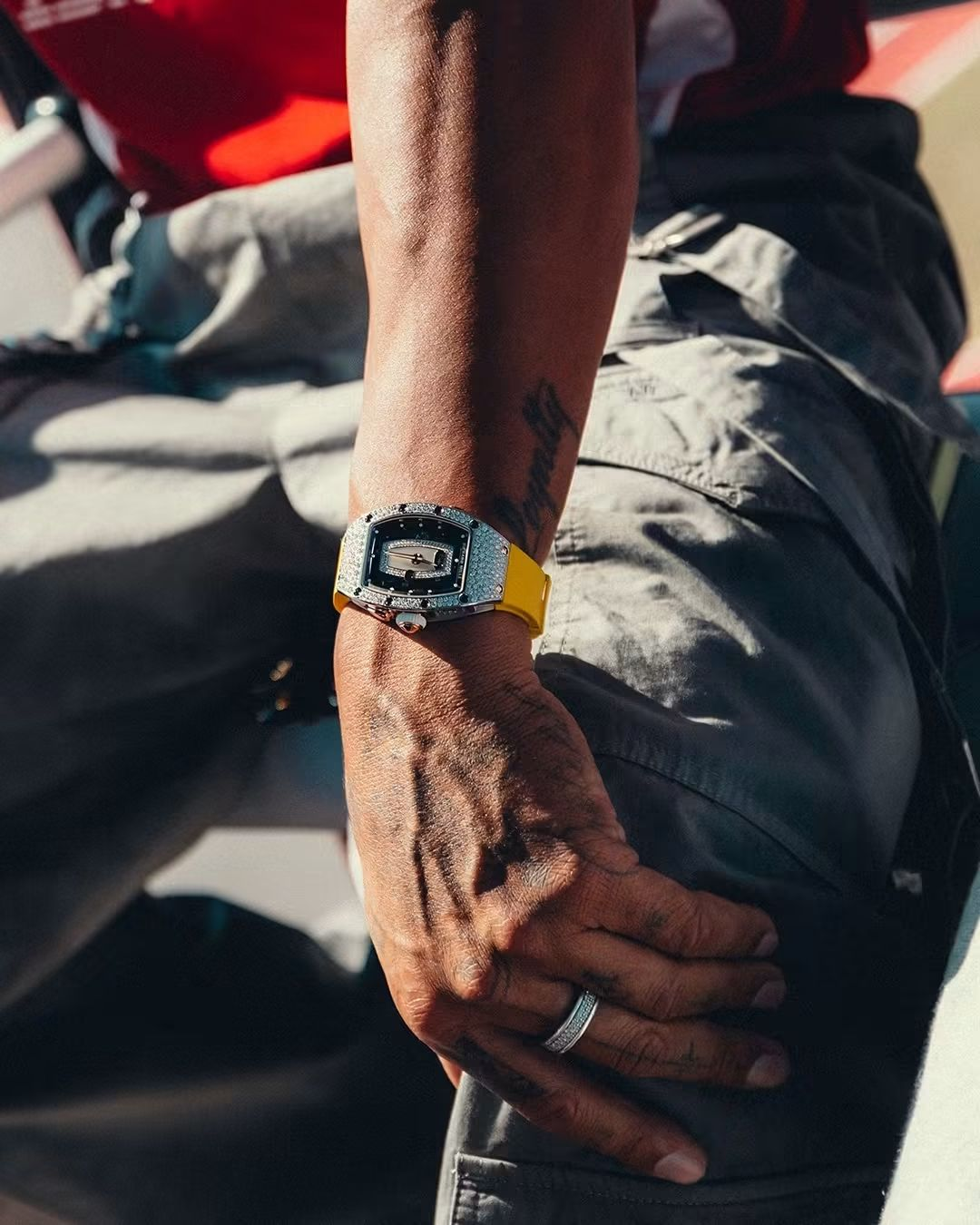
<image-placeholder/>The watch pictured in Scuderia Ferrari’s recent Instagram post offers an interesting example of how far that tradition has travelled.
Its rectangular case, diamond-set appearance and bright yellow strap create a very different aesthetic from the conventional round, understated dress watch. It is a contemporary interpretation of a practice that began when watches were still being made as precious objects for royal and wealthy patrons.
The exact model and factory configuration cannot be established from the photograph alone, but the design illustrates the continuing relationship between watchmaking and jewellery.
And that is perhaps the most interesting part of the story.
A gem-set watch is not simply a mechanical instrument covered in diamonds. It brings together several disciplines: horology, metalworking, gem cutting, setting and design. The movement has to function, the case has to protect it, and the stones must be integrated without compromising the watch’s construction.
Five centuries after the first jewel-adorned portable watches appeared, the ambition remains much the same: to make something that measures time while commanding attention.
The technology has changed dramatically. The materials have become more sophisticated. But the desire to turn a timepiece into something worth looking at has never really disappeared.
—
Featured-image concept: A close-up editorial photograph of a diamond-set luxury watch, with the stones catching directional light. A subtle split composition could contrast a Renaissance gold-and-gemstone pocket watch with a contemporary gem-set wristwatch.