China Wants a Place on the Formula 1 Grid: BYD and Geely Approach the FIA Over a 12th Team
FORMULA 1 | MOTORSPORT | INDUSTRY
The prospect of a Chinese manufacturer entering Formula 1 has moved beyond speculation. FIA President Mohammed Ben Sulayem has confirmed that BYD and Geely have approached the governing body about joining the championship, opening the possibility of a 12th team. But while the interest is real, neither manufacturer has secured an entry, and the FIA is making it clear that enthusiasm alone will not earn a place on the grid.
Formula 1 has spent years expanding its international appeal, attracting new audiences, manufacturers and commercial partners. Now, with 11 teams competing in the 2026 season, another automotive powerhouse could be looking towards the world’s most demanding motorsport championship.
This time, the interest is coming from China.
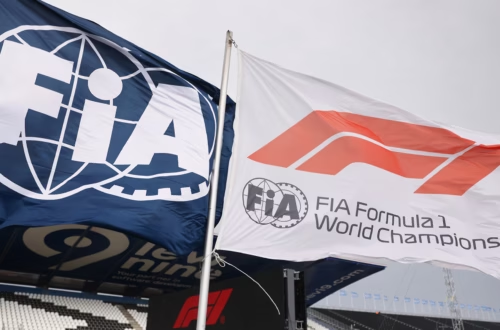
In comments reported following the New Economy Forum in Madrid, Ben Sulayem identified two manufacturers that had approached the FIA with an interest in entering Formula 1: BYD and Geely.
The revelation is significant. China is already an important market for Formula 1, with the Shanghai Grand Prix firmly established on the calendar. However, having a Chinese manufacturer represented as a constructor would introduce an entirely different dimension to the championship.
It would not simply be another sponsor or commercial partnership. It could mean a Chinese automotive group developing its own racing operation, competing against established manufacturers such as Ferrari, Mercedes-Benz, Audi and McLaren.
But the FIA president has been careful about what happens next.
“We don’t need a team, we need the team,” is the message attributed to Ben Sulayem, who has made clear that any new entrant must bring genuine competitive and commercial value. Inside China Auto +1
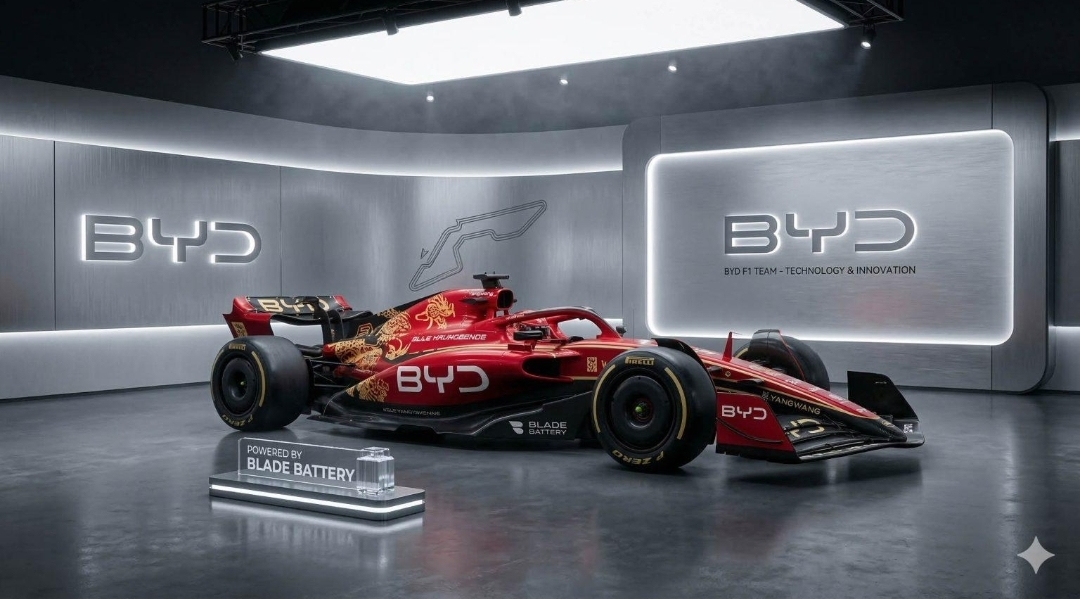
BYD: An ambition to build, not simply buy
Of the two manufacturers, BYD is arguably the more interesting prospect.
The company has grown from a battery manufacturer into one of the most influential electric vehicle manufacturers in the world. Its expansion into international markets, premium automotive products and high-performance engineering has transformed its position in the industry.
Recent Posts
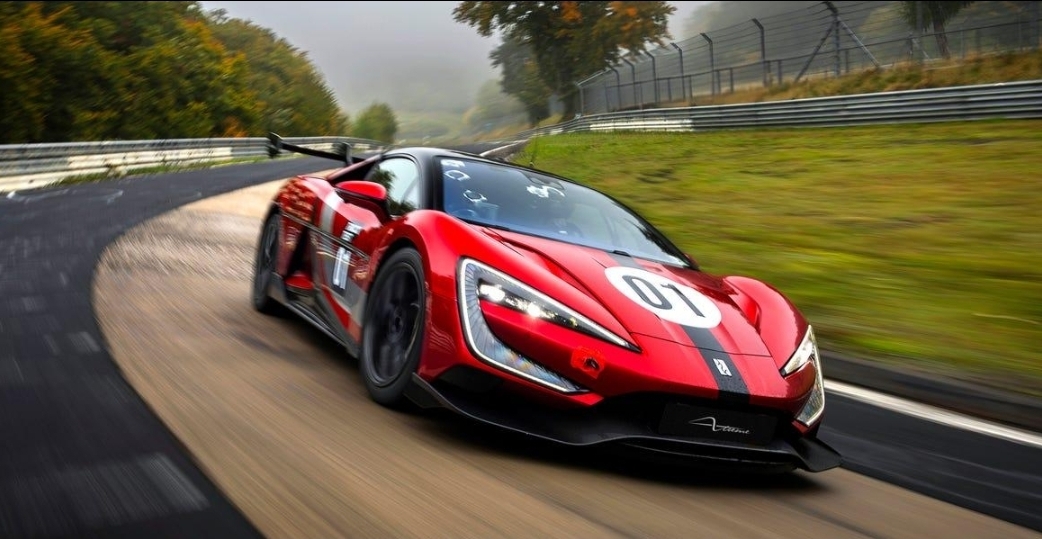
Its ambitions have also extended beyond producing practical electric vehicles. Through its luxury Yangwang division, BYD has demonstrated an appetite for performance engineering, including the extraordinary U9 supercar.
Formula 1 would offer the company something that conventional advertising cannot easily replicate: a global engineering platform, international exposure and an opportunity to establish its name alongside the most recognisable automotive manufacturers in the world.
According to Ben Sulayem, he suggested that BYD consider acquiring an existing Formula 1 team rather than establishing an operation from the ground up.
It was a route with an obvious precedent. Audi entered Formula 1 through its acquisition of Sauber, transforming an existing operation into its factory team.
BYD, however, reportedly preferred a different approach.
It wanted its own team.
That distinction matters. Acquiring an existing constructor offers an established workforce, facilities, technical infrastructure and a starting point on the grid. Building an entirely new operation means investing in those foundations before the first competitive car even reaches the circuit.
Ben Sulayem’s response was straightforward: BYD should return with a serious proposal demonstrating that the project could work.
There is also important context to consider. BYD executive vice-president Stella Li had previously acknowledged discussions surrounding Formula 1, but in July 2026 indicated that the company did not have a concrete programme in place. Its special adviser Alfredo Altavilla has also indicated that the company would not enter simply to place its branding on a racing car. Inside China Auto +1
That suggests the ambition, if pursued, would need to involve something more substantial than a marketing exercise.
Geely: A manufacturer with a different motorsport heritage
Geely presents a different proposition.
The Chinese automotive group has a much broader international portfolio, with interests that include Volvo, Polestar and Lotus. It also has existing connections to motorsport through its involvement in touring-car competition.
Unlike BYD, Geely has access to a collection of established automotive brands with different engineering identities and histories.
Lotus, in particular, carries considerable Formula 1 heritage. Its name is associated with some of the championship’s most influential engineering innovations and legendary racing cars.
However, it is important not to confuse that heritage with a confirmed Geely Formula 1 programme. The company has not announced an F1 entry, nor has it publicly confirmed the discussions described by Ben Sulayem.
The FIA president’s comments establish that Geely was among the manufacturers that approached him. What remains unclear is whether the company has progressed beyond an exploratory conversation.
For now, both manufacturers remain potential entrants rather than confirmed participants. Inside China Auto +1
Why Formula 1 wants China
The commercial argument is difficult to ignore.
China represents one of the world’s largest automotive markets, and its manufacturers are increasingly competing with established European, Japanese and American brands.
Formula 1, meanwhile, offers an international audience that extends well beyond the traditional motorsport community.
The Chinese Grand Prix provides an established annual connection between the championship and the country. Having a Chinese manufacturer competing on the grid could strengthen that relationship considerably.
There is also a matter of national representation.
China has produced a Formula 1 driver in Zhou Guanyu, but it has yet to produce a Chinese constructor competing in the championship.
A factory team backed by a major Chinese manufacturer would be a different milestone.
It could encourage domestic interest in engineering, motorsport development and the wider automotive industry, while giving Formula 1 another significant commercial foothold in Asia.
Ben Sulayem has repeatedly expressed his preference for a Chinese manufacturer should the championship decide to expand beyond its current 11 teams. But he has also insisted that the FIA will not change its technical regulations simply to accommodate a prospective Chinese entrant. GRANDE PRÊMIO +1
### The problem with the engine regulations
This is where the discussion becomes particularly interesting.
BYD has built much of its international reputation around battery technology, electric propulsion and electrified vehicle platforms.
The 2026 Formula 1 regulations introduced a substantially revised hybrid power unit, with a much greater emphasis on electrical energy. The MGU-K’s maximum output increased to 350kW, creating a new engineering challenge for manufacturers.
On paper, this could appear to be an attractive opportunity for a company such as BYD.
However, Formula 1’s future power-unit direction is already being debated.
Ben Sulayem has advocated bringing back V8 engines with limited electrification, potentially as early as 2030 or 2031. His argument centres on reducing vehicle weight, lowering costs and restoring some of the traditional character of Formula 1.
For BYD, this presents an interesting contradiction.
Would a manufacturer whose competitive identity is closely associated with electrification want to invest in a championship potentially moving towards a less electrically dependent powertrain?
That does not make an entry impossible. Formula 1 engineering is about far more than the engine itself. Aerodynamics, materials, energy recovery, software, thermal management and vehicle dynamics all offer opportunities for technological development.
But there must be a clear commercial and engineering justification.
And BYD has already indicated that it would not want to enter merely as a badge on somebody else’s machinery. WhichCar +1
Eleven teams are already on the grid. Who makes room for twelve?
The arrival of Cadillac in 2026 brought Formula 1 to 11 competing teams.
Audi also entered the championship in 2026 following its takeover of Sauber, rather than through the creation of an entirely new independent team.
These two arrivals demonstrate that there is more than one route into Formula 1.
A manufacturer can acquire an existing operation, as Audi did, or pursue the much more complicated process of establishing a new constructor.
For a prospective 12th team, however, the process would still require regulatory approval and agreement with Formula 1’s commercial organisation.
The FIA can open an expression-of-interest process, assess applicants and determine whether they meet the necessary requirements. But it cannot simply announce another team and expect the commercial side of the championship to accept the decision.

There is also a difference of opinion at the top of the sport.
Formula 1 chief executive Stefano Domenicali has previously indicated that the championship does not need another team in the medium term.
That is an important qualification to Ben Sulayem’s enthusiasm. The FIA president may welcome a Chinese manufacturer, but the commercial rights holder must also see a compelling reason to expand.
Cadillac’s admission was itself a lengthy process. A new entrant must demonstrate that it can contribute to the championship rather than dilute the competitive and commercial value of the existing teams. GRANDE PRÊMIO +1
### What happens next?
For now, neither BYD nor Geely has been awarded a Formula 1 entry. There is no open selection process for a 12th team, no confirmed debut season and no announced technical partnership.
The next significant development would be a formal proposal from either manufacturer, followed by the FIA determining whether to open an expression-of-interest process.
BYD appears to have a more clearly documented ambition to establish its own operation, while Geely’s intentions remain less transparent.
There is also the question of whether either manufacturer would consider entering through an acquisition if building an entirely new team proved too expensive or complicated.
One thing is certain: Formula 1 has become sufficiently attractive for two of China’s major automotive groups to approach its governing body.
And that is worth paying attention to.
China does not need Formula 1 to sell cars. But Formula 1 could become an extraordinary platform for China to demonstrate just how far its automotive engineering has progressed.
The championship has welcomed manufacturers from Italy, Germany, France, Japan, Britain and the United States. A Chinese constructor would introduce another major industrial power into that competitive environment.
Whether it is BYD, Geely or another manufacturer remains to be seen.
But the question is no longer whether China has an interest in Formula 1. The FIA president has confirmed that conversations have taken place.
The real question is whether either company is prepared to build a team capable of competing with the best.
### Sources and further reading
* [Inside China Auto – BYD and Geely approached FIA about a 12th F1 team](https://insidechinaauto.com/2026/11/11/byd-and-geely-approached-fia-about-a-12th-f1-team-says-ben-sulayem/?utm_source=chatgpt.com)
* [Grande Prêmio – FIA reveals talks with BYD and Geely](https://grandepremio.com/en/f1/fia-reveals-talks-with-byd-and-geely-over-potential-12th-team/?utm_source=chatgpt.com)
* [The National – Exclusive interview with Mohammed Ben Sulayem](https://www.thenationalnews.com/sport/f1/2026/11/09/exclusive-mohammed-ben-sulayem-abu-dhabi-qatar-gp/?utm_source=chatgpt.com)
* [Reuters – BYD considers Formula 1 involvement](https://www.reuters.com/sports/formula1/f1-sponsorship-could-give-byd-lower-risk-route-global-recognition-2026-06-18/?utm_source=chatgpt.com)
Editorial note: The approaches have been confirmed by the FIA president. Neither manufacturer has a confirmed Formula 1 entry, and Geely has not independently confirmed the discussions.