Twenty Years on the Road: How Pixar’s Cars Turned Route 66 into a Cultural Icon
Twenty years ago, a red racing car named Lightning McQueen took an unexpected detour into a forgotten American town. What followed was more than an animated adventure. It was a celebration of automotive heritage, friendship and one of the most recognisable roads in American history.
When Disney and Pixar released Cars on June 9, 2006, audiences were introduced to a world where automobiles had personalities, racing was a way of life and a small town called Radiator Springs held stories far more valuable than a championship trophy.
Twenty years later, in 2026, Lightning McQueen is still one of animation’s most recognisable automotive characters. The anniversary is particularly fitting, arriving in the same year that America’s historic Route 66 celebrates its centenary.
But the success of Cars was never simply about putting faces on vehicles.
It was about giving automotive history a personality.
A road trip that became an animated legacy
The inspiration behind Cars came from director John Lasseter’s love of automobiles and a family road trip across America in 2000.
Rather than constructing an entirely fictional automotive universe, Pixar’s creative team travelled along historic Route 66, researching the communities, landscapes, architecture and personalities that made the highway special.
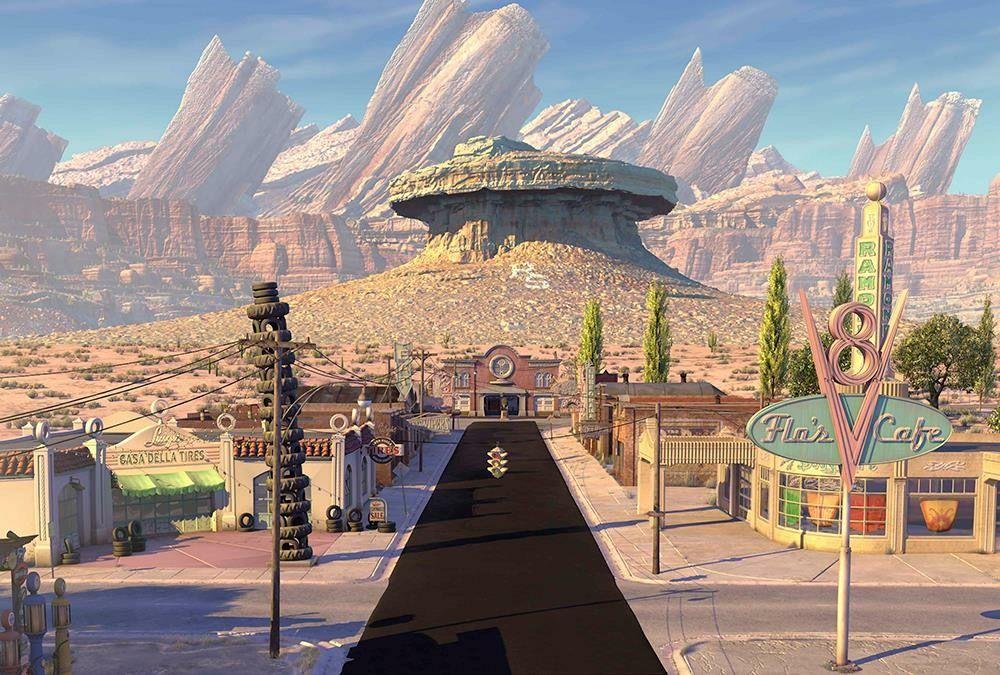
That research became the foundation for Radiator Springs, a fictional town inspired by the real communities that once depended on America’s great highway.
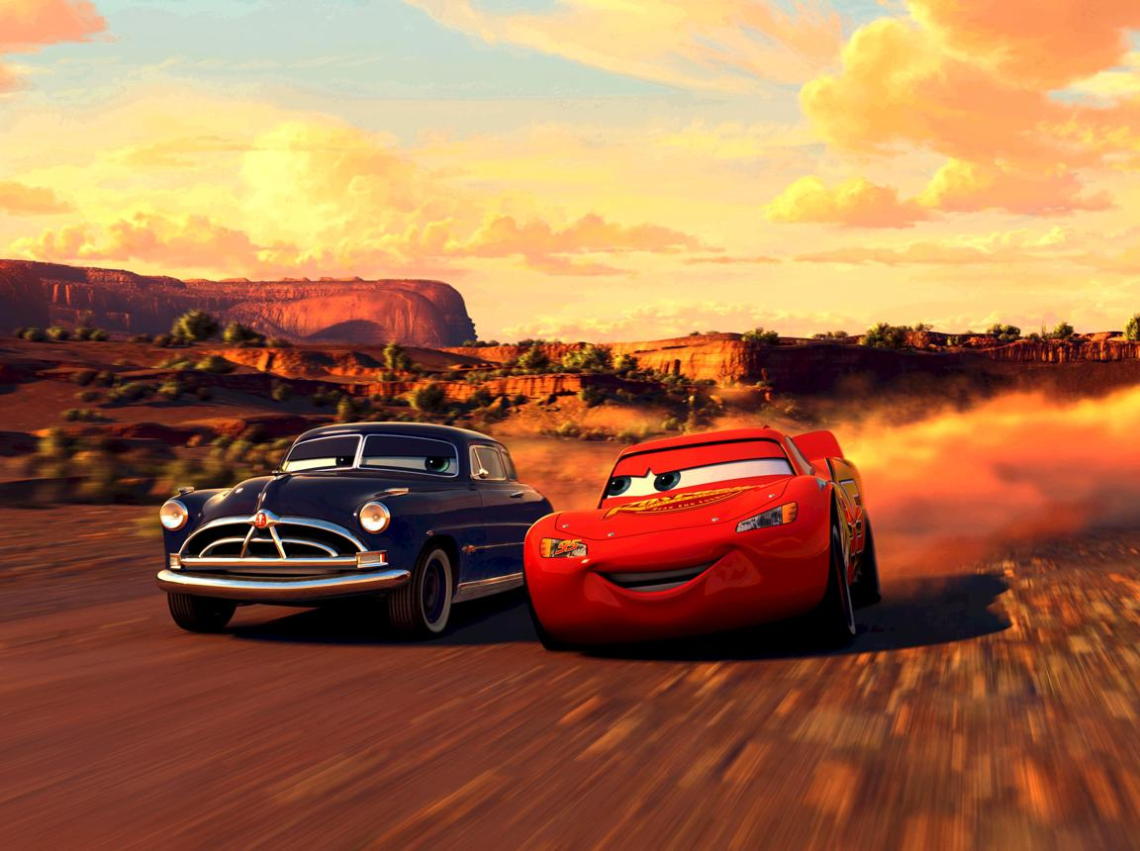
The story follows Lightning McQueen, a young racing car whose ambition is to win the Piston Cup. However, after an unexpected detour leaves him stranded in Radiator Springs, he discovers a community that values friendship, loyalty and history over fame.
It is here that the film introduces some of its most memorable characters.
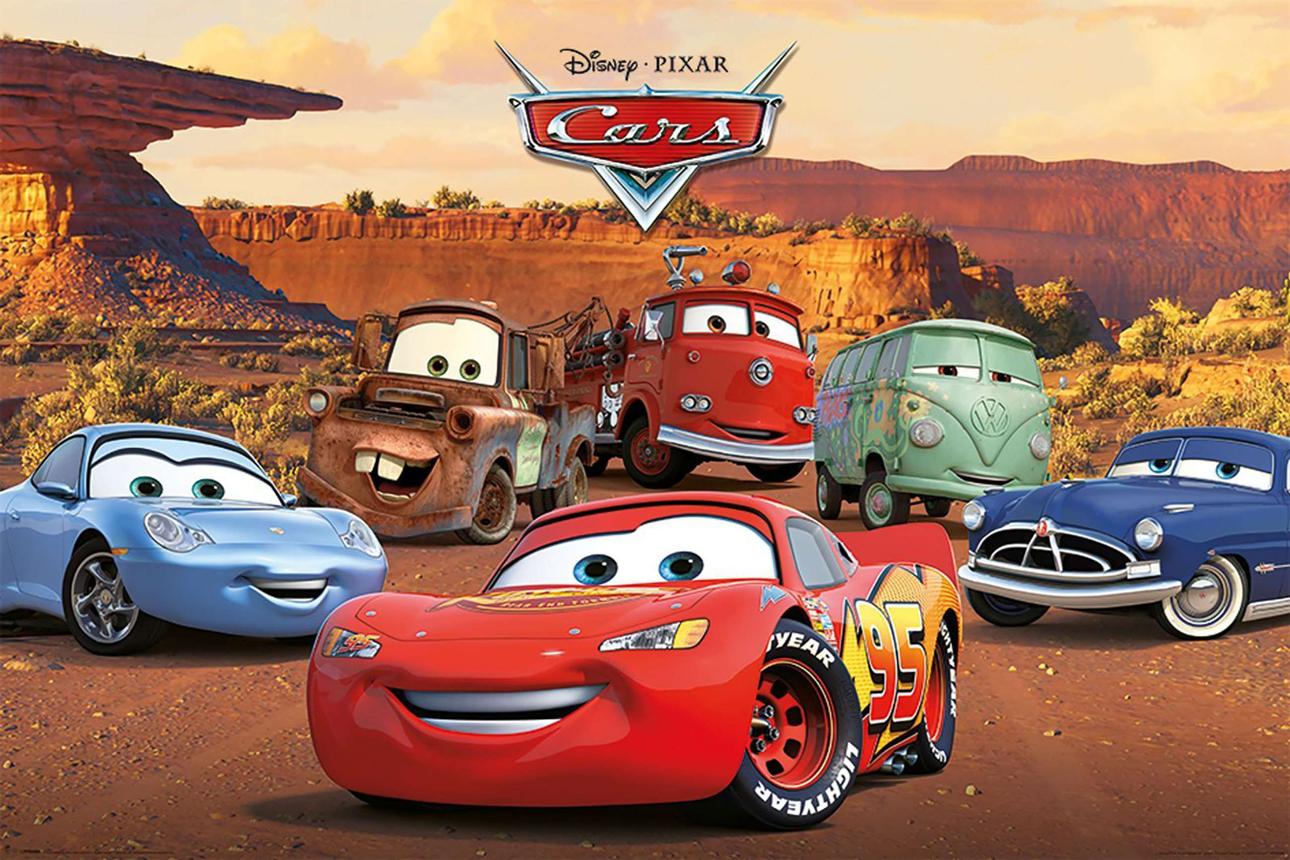
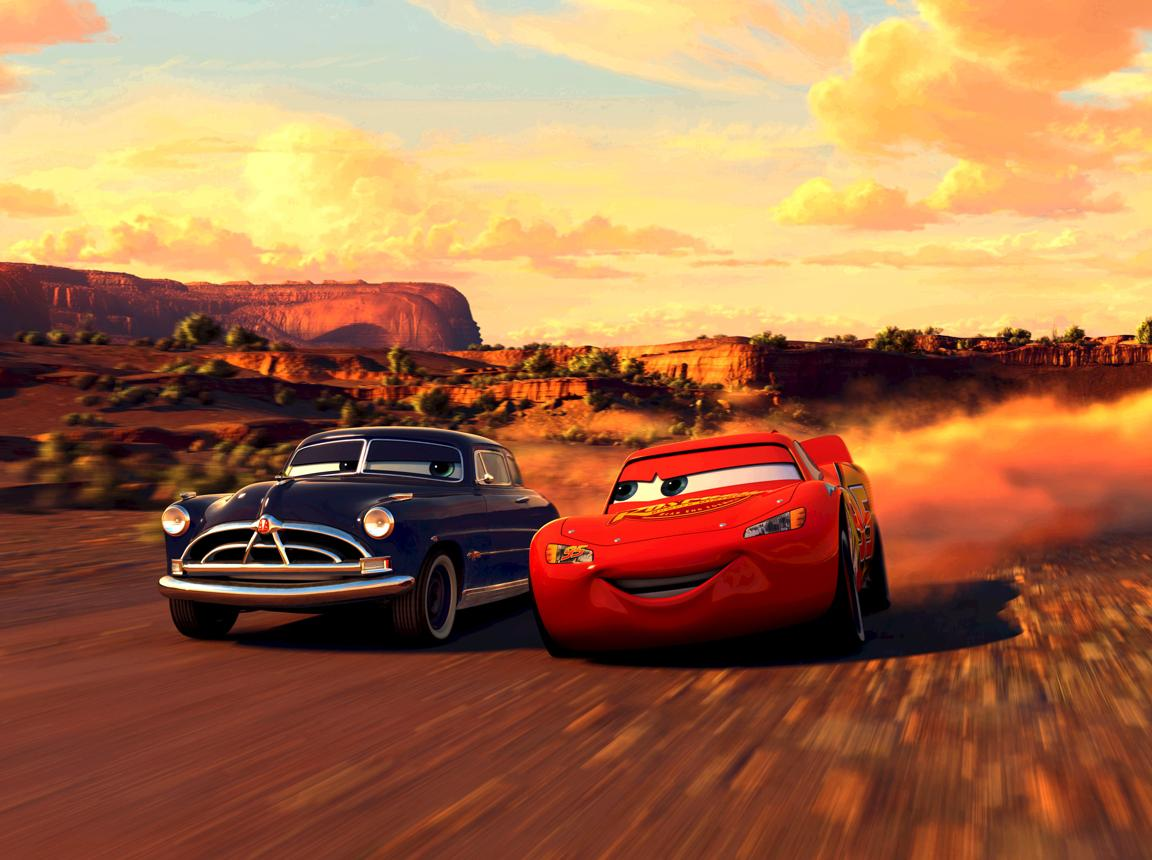
Doc Hudson, a 1951 Hudson Hornet with a remarkable racing past, becomes an unlikely mentor. Sally, a Porsche, represents a different appreciation of life away from the racetrack, while Mater, the town’s rusty tow truck, becomes McQueen’s closest friend.
The characters were not simply designed to look appealing. Many were inspired by real automotive personalities, historic vehicles and the culture surrounding American motoring.
The cars behind the characters
One of the most interesting aspects of Pixar’s work was its attention to automotive identity.
Doc Hudson was inspired by the 1951 Hudson Hornet, a vehicle with a genuine motorsport legacy. The real Hornet became particularly famous in American stock-car racing during the early 1950s.
Sally Carrera was inspired by a Porsche 911, bringing European sports-car heritage into a story otherwise heavily influenced by American automotive culture.
Then there was The King, voiced by NASCAR legend Richard Petty, whose character was inspired by the Plymouth Superbird racing cars of the early 1970s.
The film created an unusual meeting point between automotive history and family entertainment. Children could enjoy the characters, while enthusiasts could recognise the machines and motorsport references behind them.
Route 66: A century of American motoring
Perhaps no anniversary makes the twentieth birthday of Cars more appropriate than the centenary of Route 66.
Established in 1926, Route 66 became one of America’s most recognisable highways, connecting communities and supporting businesses along its route.
It represented a period when driving was not simply about reaching a destination. It was about the journey, the people encountered along the way and the places that made travelling memorable.
Over time, the development of interstate highways changed the importance of many roadside communities. Some businesses disappeared, towns lost passing traffic and stretches of the historic highway became reminders of another era.
Pixar’s Cars helped introduce that history to an entirely new generation.
Radiator Springs may not exist on a real map, but its inspiration is rooted in the experiences of communities that once flourished along Route 66.
The film’s twentieth anniversary therefore arrives as more than a nostalgic celebration. It is also an opportunity to revisit the history of the road that helped inspire it.
From cinema to automotive culture
The influence of Cars has extended well beyond the original 2006 film.
Two theatrical sequels followed, in 2011 and 2017, alongside animated shorts, merchandise, games and attractions.
Perhaps most impressively, the franchise has also found its way into real automotive culture.
The Porsche 911 Sally Special, created in collaboration with Pixar and Porsche, translated an animated character into a real-world bespoke sports car. It demonstrated that the film’s influence could reach beyond toys and cinema screens and into the world of automotive design and collecting.
For its twentieth anniversary, Disney and Pixar have also brought the original film back to cinemas, alongside collaborations and exhibitions at automotive museums and motorsport events.
Lightning McQueen even made an appearance in the world of Formula 1 through the anniversary celebrations at Monza.
Twenty years later, the journey continues
There is something rather remarkable about a film that manages to introduce children to automotive history without making the experience feel like a lesson.
A Hudson Hornet becomes a character. A Porsche becomes a friend. A forgotten highway becomes a place worth exploring.
For older audiences, Cars brings back memories of a time when animated films could introduce entire worlds through original characters and carefully constructed storytelling.
For younger viewers, it remains an invitation to discover automobiles, racing, friendship and the importance of community.
Twenty years after its arrival, Lightning McQueen’s greatest achievement may not be the trophies he collected, but the automotive curiosity he inspired.
Because sometimes the most memorable part of a race is not crossing the finish line.
It is everything you discover along the way.