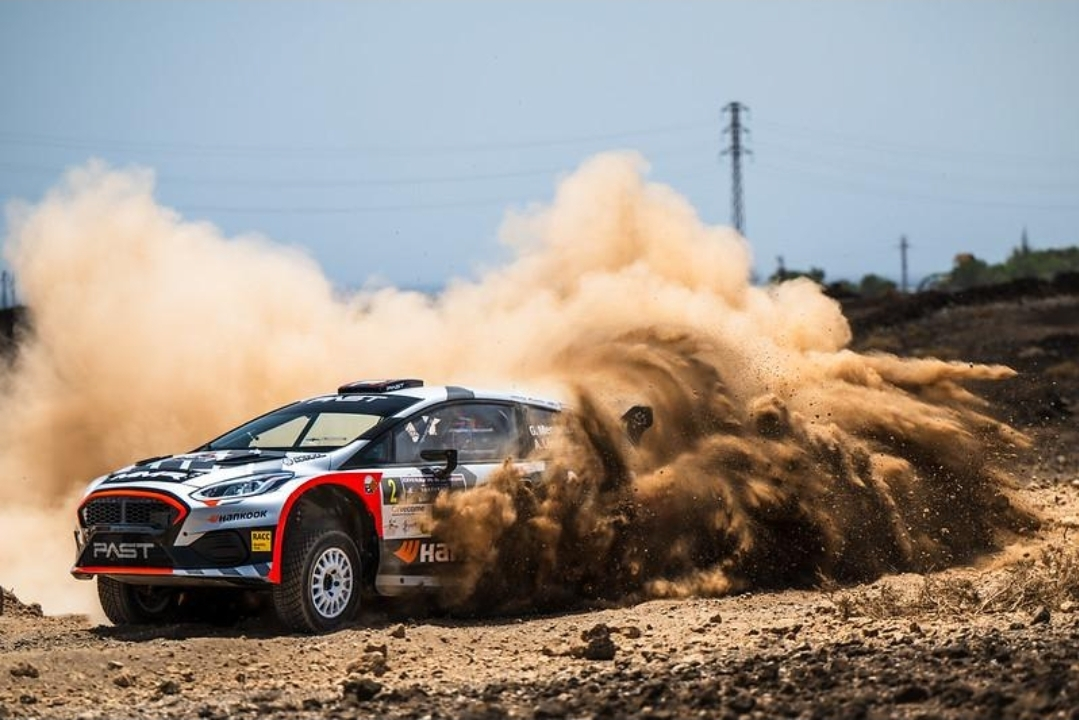
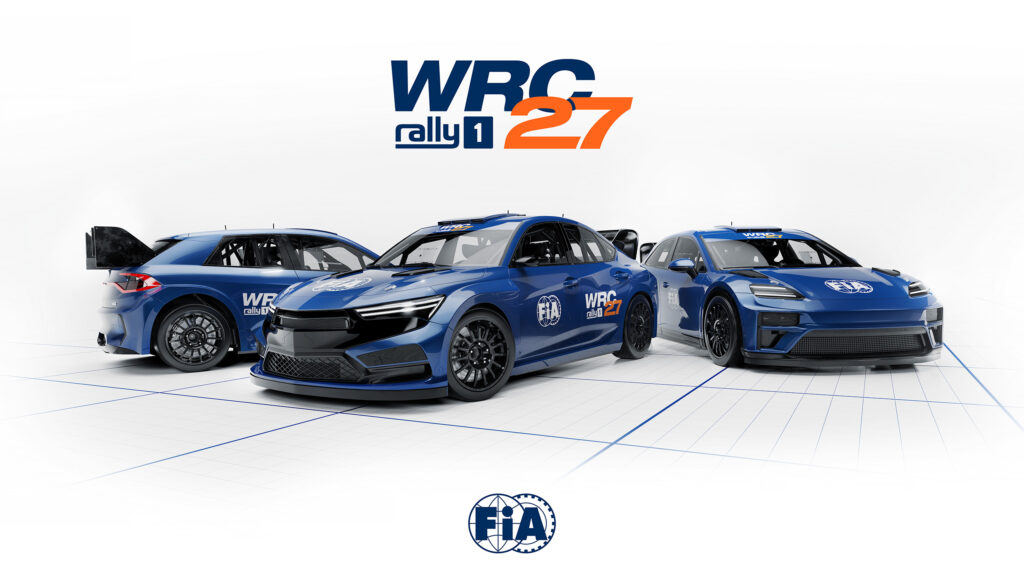
Two Paths to the Top: The Two Rally1 Cars Set to Reshape the WRC Constructors’ ChampionshipDLifestyle Magazine | World Rally Championship | 2027 regulation era!The FIA World Rally Championship is preparing for one of the most significant changes to its top category in years. From 2027, Rally1 will accommodate two distinct technical approaches: purpose-built WRC27 cars and existing Rally2-based cars upgraded with an approved aerodynamic kit.This is more than a change in bodywork or engine specifications. It represents a new approach to how manufacturers, independent engineering companies and rally teams can compete for the sport’s highest honours.The distinction matters because the WRC is attempting to solve a long-standing problem: how to maintain elite competition while making it financially realistic for more constructors to enter.The FIA has confirmed that both specifications will compete under the same Rally1 category. At the same time, the existing Manufacturers’ Championship will be replaced by a Constructors’ Championship, opening the title to both traditional automotive manufacturers and independent tuners.The result is a new competitive landscape in which building a completely new rally car will no longer be the only route to the top.### 1\. The WRC27 car: A new generation built from the ground upThe first specification is the purpose-built WRC27 car, developed under the FIA’s new technical regulations.Unlike the outgoing Rally1 generation, which combined a 1.6-litre turbocharged engine with a hybrid system producing more than 500 horsepower at peak combined output, the initial WRC27 formula returns to a simpler combustion-powered configuration. The new cars are designed around a sustainably fuelled 1.6-litre turbocharged engine targeting approximately 290 horsepower, four-wheel drive and a five-speed gearbox.That reduction in complexity is deliberate.At the heart of the WRC27 car is a tubular safety cell, surrounded by bodywork that offers constructors greater freedom over the vehicle’s appearance. Rather than requiring the car to closely follow a particular road-going production model, the regulations establish a defined space within which designers can develop their own shapes and aerodynamic solutions.The technical framework specifies double-wishbone suspension, with braking and steering systems derived from Rally2 machinery. The intended result is a competitive four-wheel-drive rally car that is less expensive and less complicated to develop than the outgoing Rally1 specification.The financial target is equally important. A ready-to-compete car in tarmac specification is capped at €345,000 under the new framework. The cap is intended to lower the barrier to entry and make it easier for additional constructors to participate at the highest level.For established manufacturers, this creates an opportunity to develop a new competition platform without carrying the same level of technical and financial burden associated with the previous generation.For independent tuners, it opens a door that was previously difficult to reach.The purpose-built WRC27 car is therefore the more ambitious route: a new safety structure, a dedicated chassis and greater freedom to create a distinctive rally machine from the ground up.### 2\. The WRC Kit Car: A second route into Rally1The second specification is the WRC Kit Car, which takes a different approach to the same objective.Instead of requiring a constructor to develop a completely new WRC27 vehicle, this route allows existing Rally2 machinery to enter the top category after receiving an FIA-approved aerodynamic upgrade kit.The kit consists of revised front fenders, a new front bumper and a rear aerodynamic device. Its maximum price has been set at €7,500, making it a considerably less expensive route to adapting an existing platform for the new Rally1 framework.This matters because Rally2 already has an established base of cars, engineering expertise and competition experience. Teams can draw on that existing infrastructure rather than start every aspect of the project from scratch.For a smaller team, the financial calculation is straightforward: if a competitive Rally2 car can be adapted to meet the new requirements, the team may be able to contest Rally1 without funding an entirely new vehicle programme.That does not mean the two specifications are technically identical. The WRC Kit Car retains its Rally2-based architecture, while the WRC27 car is designed specifically around the new regulations. The FIA has also approved changes to turbo restrictor rules, including an increase from 32 mm to 33 mm for both specifications, alongside provisions that allow it to manage performance differences between classes.The kit route is consequently not just a temporary cosmetic adjustment. It is part of the championship’s intended structure for widening participation during the transition to the new generation of rally cars.
### Why put two different specifications in the same championship?At first glance, allowing purpose-built WRC27 cars to compete against Rally2-based kit cars may seem like an unusual decision. One is designed specifically for the new regulations; the other begins with an existing competition platform.But the FIA’s objective is to expand the number of participants capable of entering the championship’s top category without requiring every entrant to make the same level of investment.The two approaches address different financial realities.| Feature | WRC27 car | WRC Kit Car || ———————– | —————————————————————————— | ——————————————————————————- || Starting point | New, purpose-built design | Existing Rally2 car || Safety structure | New tubular safety cell under WRC27 rules | Existing Rally2-based architecture || Bodywork | Designed within WRC27 dimensions | Existing bodywork with approved aerodynamic upgrades || Powertrain | Initial specification targets a 1.6-litre turbo engine producing around 290 hp | Based on the underlying Rally2 specification, subject to applicable regulations || Aerodynamic development | Greater freedom within defined limits | Approved kit with a €7,500 maximum price || Intended advantage | Dedicated design and development potential | Lower-cost entry using established machinery |Sources: FIA WRC27 technical framework and 2027 regulation updates.The crucial point is that both specifications will compete in Rally1, but that does not automatically guarantee identical performance. The FIA has retained the ability to introduce technical or sporting measures to manage the differences between vehicle classes.That balancing act will be central to the new era. If the purpose-built cars have too great an advantage, the kit-car route could become unattractive. If the adapted Rally2 cars are too competitive, manufacturers may question the value of investing in a completely new platform.The FIA must therefore preserve a meaningful incentive to develop new machinery while ensuring that lower-cost entrants remain capable of competing.### The Constructors’ Championship gets a new definitionThe technical changes arrive alongside a significant sporting reform.From 2027, the WRC’s Manufacturers’ Championship will be replaced by a Constructors’ Championship. The new title will be open to both established automotive manufacturers and independent tuners, provided they meet the regulations and championship participation requirements. To be eligible for the Constructors’ title, an entrant must participate in every round of the season.This is a meaningful change in how the sport defines a constructor.Traditionally, the leading manufacturers have been the principal names competing for the championship. Under the new framework, an independent operation responsible for designing, building, homologating and marketing its own rally car can also enter the top category and pursue the title.That does not mean every small team automatically becomes eligible to win it. Homologation, sporting requirements and full-season participation remain important conditions.The FIA is also introducing a separate WRC Teams’ Championship, contested over seven nominated events, including a compulsory overseas round and the season finale. Both championships will be restricted to Rally1 machinery.The two titles serve different purposes: one rewards constructors competing throughout the season, while the other creates a more targeted championship opportunity for eligible teams.### Who is preparing for the new era?Several projects demonstrate how the new rules could reshape the entry list.ToyotaToyota has committed to developing a new-generation car under the WRC27 regulations. Its existing experience at the highest level gives it a strong technical foundation, although the new specification requires a different approach from its outgoing hybrid Rally1 machine.Project Rally OneThe independent project led by Lionel Hansen, Yves Matton and Prospeed has developed a purpose-built WRC27 car. Its prototype was publicly unveiled in September 2026 after an initial asphalt testing programme, with a planned championship debut in 2027.M-SportM-Sport has confirmed plans to compete with a Rally2-based kit car in the new era. Its approach illustrates why the second specification matters: it offers an established rally operation a route into the new Rally1 category without immediately developing an entirely new WRC27 car.RFEDA and RMC MotorsportThe Spanish motorsport federation and RMC Motorsport are working together on another purpose-built WRC27 project. Announced in April 2026, it represents a further attempt to bring independent engineering capability into the championship’s highest category.Ford has also confirmed a full factory WRC programme from 2028, working with M-Sport, with its new WRC27-specification car scheduled to make its competitive debut in 2029. That timing illustrates that the transition will not mean every major manufacturer fields a brand-new car immediately in 2027.### The real test begins on the stagesThe success of this new system will not be determined by the regulations alone. It will be determined by what happens when the cars encounter gravel, snow, mud, tarmac and the unpredictable conditions that make rallying so demanding.The WRC27 car offers the opportunity to develop a machine specifically around the new rules. The WRC Kit Car offers a way to compete using existing Rally2 foundations and a relatively inexpensive aerodynamic conversion.Both approaches have a place in the championship, but their long-term value will depend on reliability, pace, operating costs and the ability to secure competitive drivers and technical support.There is also a broader question for the sport: can a championship featuring different technical approaches remain compelling without allowing one route to dominate?The FIA’s performance-management provisions indicate that it recognises this challenge. The regulations will need to work in practice, not simply on paper.### Conclusion: A more accessible route to rallying’s highest levelThe arrival of the two Rally1 specifications in 2027 marks a change in philosophy for the World Rally Championship.The purpose-built WRC27 car represents a fresh technical platform, with a new safety cell, greater design freedom and a cost-controlled route to developing a dedicated top-level rally machine.The WRC Kit Car offers a more economical alternative, allowing existing Rally2 cars to enter Rally1 with an approved aerodynamic upgrade.Together, they are intended to broaden competition and support the new Constructors’ Championship, which will recognise eligible independent tuners alongside traditional manufacturers.The question is no longer simply which manufacturer can build the fastest car with the largest development budget. It is also whether a wider range of engineering operations can build a reliable, competitive machine and sustain a full championship campaign.If the FIA gets the balance right, 2027 could give the WRC something it has been working towards for years: more routes into the top category, a wider range of constructors and a more competitive foundation for the championship’s future.For DLifestyle Magazine, the essential distinction is this: one Rally1 specification is built around a new car; the other creates a route into Rally1 using an existing Rally2 platform. The championship will bring them together under one category, and the stages will determine how competitive that arrangement really becomes.