The race for the ultimate wearable computing platform has officially fractured into two completely different philosophies. On one side, you have the multi-thousand-dollar face computers—heavy augmented reality (AR) headsets trying to replace your desktop monitor. On the other side, Meta is betting everything on a completely different premise: tech that hides inside the things you already wear.

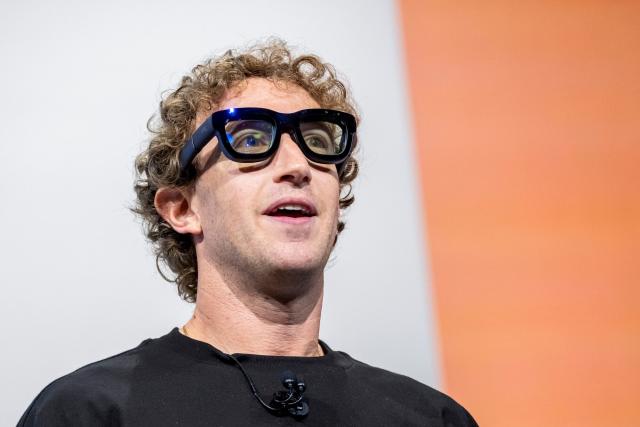
Meta and hardware partner EssilorLuxottica have completely upended the smart eyewear market. They’ve shifted away from a single, experimental gadget and built out an entire hardware portfolio that stretches from $299 mass-market frames to $799 head-turning heads-up displays.
If you are trying to figure out where the frontier of personal hardware is moving, the current lineup lays it all out.
1. The Entry-Level Play: The $299 “Meta Glasses” Lineup
Meta has launched its first-ever in-house, company-branded collection. While they are still engineered by EssilorLuxottica for lens quality and structural integrity, these frames ditch the classic Ray-Ban or Oakley badges to lower the price barrier to entry. Starting at $299, this is Meta’s direct assault on the mainstream mass market.
- The Hardware: They carry over the foundational specs of the second-generation Ray-Ban frames: a crisp 12MP camera capable of 3K video capture, an immersive five-microphone array, and an 8-hour battery life (with an additional 40 hours stored in the folding charging case).
- The Silhouettes: The collection drops in three distinct frame shapes—the rectangular Adventurer, the bolder, rounded Fury, and a slim, oval fashion collaboration with Kylie Jenner called the Starfire (which features a makeup-resistant metal nose pad and an AI-generated version of Jenner’s voice).
- The Big Upgrade: They ship out of the box with Meta’s Muse Spark AI model, unlocking real-time audio translation for 20 languages (including Mandarin, Hindi, and Japanese) and contextual “Dynamic Photo” burst-captures.
2. The Apex: Meta Ray-Ban Display & The Neural Band
If the $299 line is about ambient audio and hands-free point-of-view content creation, the Meta Ray-Ban Display ($799) is Meta’s actual shot across the bow of traditional AR. This is an entirely different caliber of machine.

Instead of an opaque screen blocking your vision, it embeds a private, 600x600p full-color display directly into the right lens. It sits just off your primary line of sight—invisible until you call it up, giving you glanceable data without making you look like a sci-fi extra.
[Real World Field of View] ————-> (Normal Clear Eyewear)
|
[Right Lens Micro-Display] —> [600x600p Glanceable HUD] —> (Turn-by-Turn GPS / WhatsApp Texts)
The true engineering masterclass here isn’t the lens, though—it’s how you control it. The Display glasses pair with the Meta Neural Band, an electromyography (EMG) wristband made from high-performance Vectran.
How EMG Control Works: The band doesn’t use motion sensors to track your hand moving through space. Instead, it measures the microscopic electrical signals passing through your wrist muscles.
You can select text, scroll through notifications, or adjust audio volume using finger pinches and subtle wrist rotations so minute that someone standing right next to you won’t even notice you’re doing it. It eliminates the social awkwardness of tapping the side of your skull or talking out loud to an assistant in a crowded room.
The Verdict: Raw Engineering Wins Over Old Pretension
What makes Meta’s approach work where other smart wearables have failed is a brutal commitment to tactile quality and normal aesthetics. They didn’t build a plastic tech toy; they built premium, Rx-compatible eyewear with 3-way adjustable nose pads, overextension hinges for wide head shapes, and high-end finishes like racing green and sandstone tortoise.

Whether you just want a sleek pair of daily-driver glasses to handle your audio commutes and field photography, or you want to experiment with the cutting edge of neural-input heads-up displays, the infrastructure is finally mature. The technology has officially stepped out of the lab and onto the street.