The question echoing through the paddock as the AMR26 struggles at the back of the grid isn’t whether things are bad—it’s whether Adrian Newey has it in him to turn the ship around.
The short answer is yes. But the more urgent questions are: by how much, and how fast?
As for how fast, we already have a definitive timeline: the post-summer window. But as for how much good it will actually do? That remains entirely to be seen.To understand why Aston Martin is currently bleeding points while waiting for a singular savior package, you have to look past the sensationalized headlines. The easy narrative is to blame leadership, but the problem at Aston Martin is absolutely not that the Team Principal is incapable. Far from it. The man running the pit wall and guiding the technical vision is Newey himself.

Newey has been deeply embedded in this project for a couple of years now, laying the infrastructure for the team’s transition into a full Honda works outfit. The current lack of pace isn’t a structural collapse; it is the result of a calculated, high-stakes strategic gamble. Refusing to Fight a War of AttritionWhile rivals like Mercedes, Ferrari, and McLaren bleed resources bringing minor wing modifications and floor tweaks to almost every race, Aston Martin has deliberately stood still. They have chosen to completely snub the development war currently raging in the paddock.
The decision to bring one massive, comprehensive upgrade package later in the season rather than a trickle of small updates boils down to three strict engineering realities:1.
The Cost Cap vs. The Wind Tunnel Under the current financial regulations, chasing incremental micro-upgrades wastes vital cost-cap headroom on manufacturing parts that might be obsolete in a month. By pooling their aerodynamic testing restrictions (ATR) and budget into a singular, holistic baseline, Newey is maximizing the return on investment for a single physics ecosystem. 2. The Correlation Trap Aston Martin has historically stumbled by introducing piecemeal floor updates that looked brilliant in the wind tunnel but created nasty, unpredictable balance characteristics on track. Developing a singular, massive floor and chassis overhaul allows Newey to ensure that the front wing, venturi tunnels, and rear diffuser work in absolute harmony.3.
The 2026 Regulatory Reset With a completely new technical era underway, treating the car as an evolving experiment can lead a team down a developmental dead-end. Newey’s philosophy has always been to find the core aerodynamic concept first, perfect it, and deploy it as a complete foundation.
[Traditional Strategy] —> [Minor Update A] —> [Minor Update B] —> [Correlation Errors]
[Newey Strategy] —> [Massive R&D Block] ————————> [Single Harmonized Package]
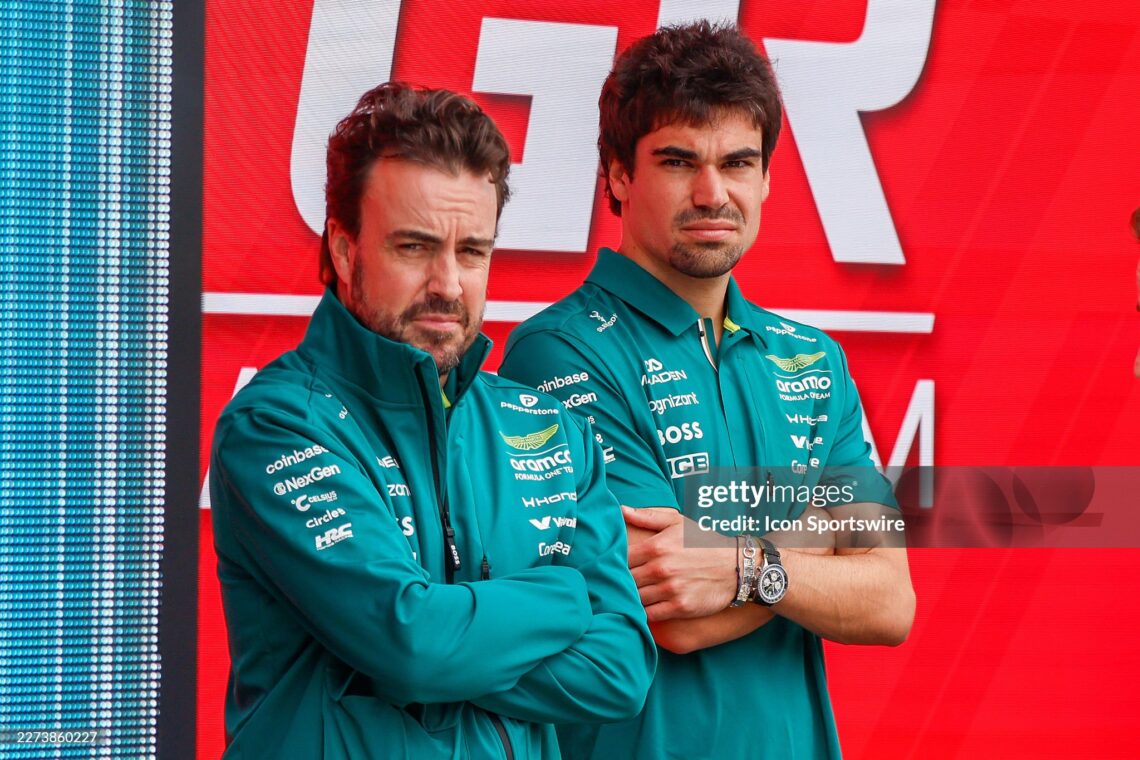
The Catch: Upgrades Aren’t a Magic WandWhile Lance Stroll and Fernando Alonso patiently manage a “very difficult car,” trackside chief Mike Krack has rightly cautioned that a singular magic-bullet upgrade won’t fix everything overnight. Adding downforce or shifting the aerodynamic center of pressure can stabilize the AMR26, but Aston Martin’s current headaches run deeper than pure aero. The team is still fighting fundamental mechanical teething issues regarding power delivery, gear changes, and how the entire transmission housing reacts to the new Honda power unit. “Some of the problems we have will still be there when the upgrades arrive,” Krack admitted. “All the problems we’re dealing with in these areas aren’t going to be solved by adding a little more power or a little more downforce.”Newey has the pedigree, the time, and the complete authority to steady the ship. The post-summer upgrade will show the grid exactly what his blueprint for Aston Martin looks like—but in modern Formula 1, executing a late-season turnaround is a mountain that even a genius has to climb one heavy mechanical step at a time.