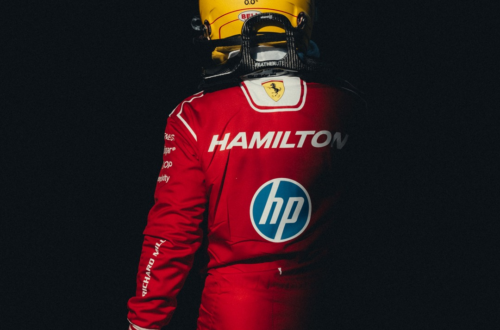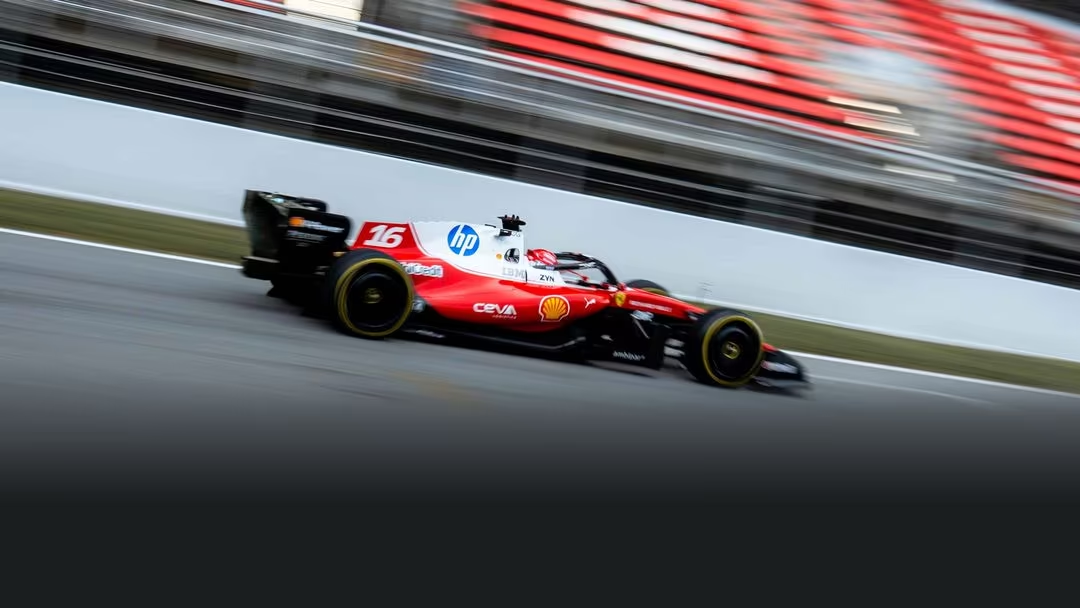
The 2026 Formula 1 season has reached a critical juncture for Scuderia Ferrari as they grapple with technical hurdles and a significant performance gap relative to the frontrunners.

Here is a breakdown of the current situation at Maranello, focusing on the facts surrounding their technical development and internal dynamics.
Hamilton’s Simulator Correlation Concerns
Following a challenging weekend at the 2026 Miami Grand Prix, Lewis Hamilton highlighted a disconnect between Ferrari’s virtual preparation and the SF-26’s on-track behavior. The seven-time world champion noted that the car felt “very different” compared to the simulator sessions held at Maranello.

- The Issue: Hamilton indicated that simulator-driven setup decisions pushed the car into an ineffective performance window before it even arrived at the track.
- The Impact: This lack of correlation led to Hamilton’s weakest performance of the season so far, as the team struggled to find the “visceral feedback” and setup balance predicted by their digital models.
- Technical Context: Simulator correlation is vital in the 2026 era due to the complexities of active aerodynamics (X-mode and Z-mode). If the digital model fails to mirror real-world aerodynamic maps, development “blind spots” occur.


Vasseur’s “Open Communication” Strategy
Team Principal Fred Vasseur has doubled down on a culture of transparency as Ferrari navigates these early-season setbacks.
- Strategic Stance: Vasseur has emphasized “open-mindedness” as the team’s watchword, acknowledging that Ferrari must be willing to learn from rivals who may have explored different development paths under the new regulations.
- Team Unity: He has publicly shared that the decision to pivot early to the 2026 project was a collective one involving both drivers, aiming to maintain morale despite the “psychological impact” of their current performance deficit.
The 6% Performance Deficit and Power Struggles
Data from the opening rounds of 2026 indicates that Ferrari is facing a measurable gap to the benchmark set by Mercedes-powered cars.

- The Deficit: Current performance assessments place Ferrari at a significant disadvantage, particularly in straight-line speed. While the chassis shows strength in mechanical grip and low-speed corners, the 067/6 Power Unit reportedly suffers from a deficit estimated at nearly 30 horsepower. +1
- The 6% Factor: This shortfall translates to a roughly 6% performance gap in specific high-speed sectors, leaving Hamilton and Leclerc vulnerable in wheel-to-wheel battles.
- The ADUO Path: Due to this documented underperformance, Ferrari is expected to utilize the FIA’s Additional Development and Upgrade Opportunities (ADUO) framework. This allows teams with lagging power units more freedom to introduce hardware and material upgrades to close the horsepower gap later in the season.
Aerodynamic Upgrades vs. Engine Reality
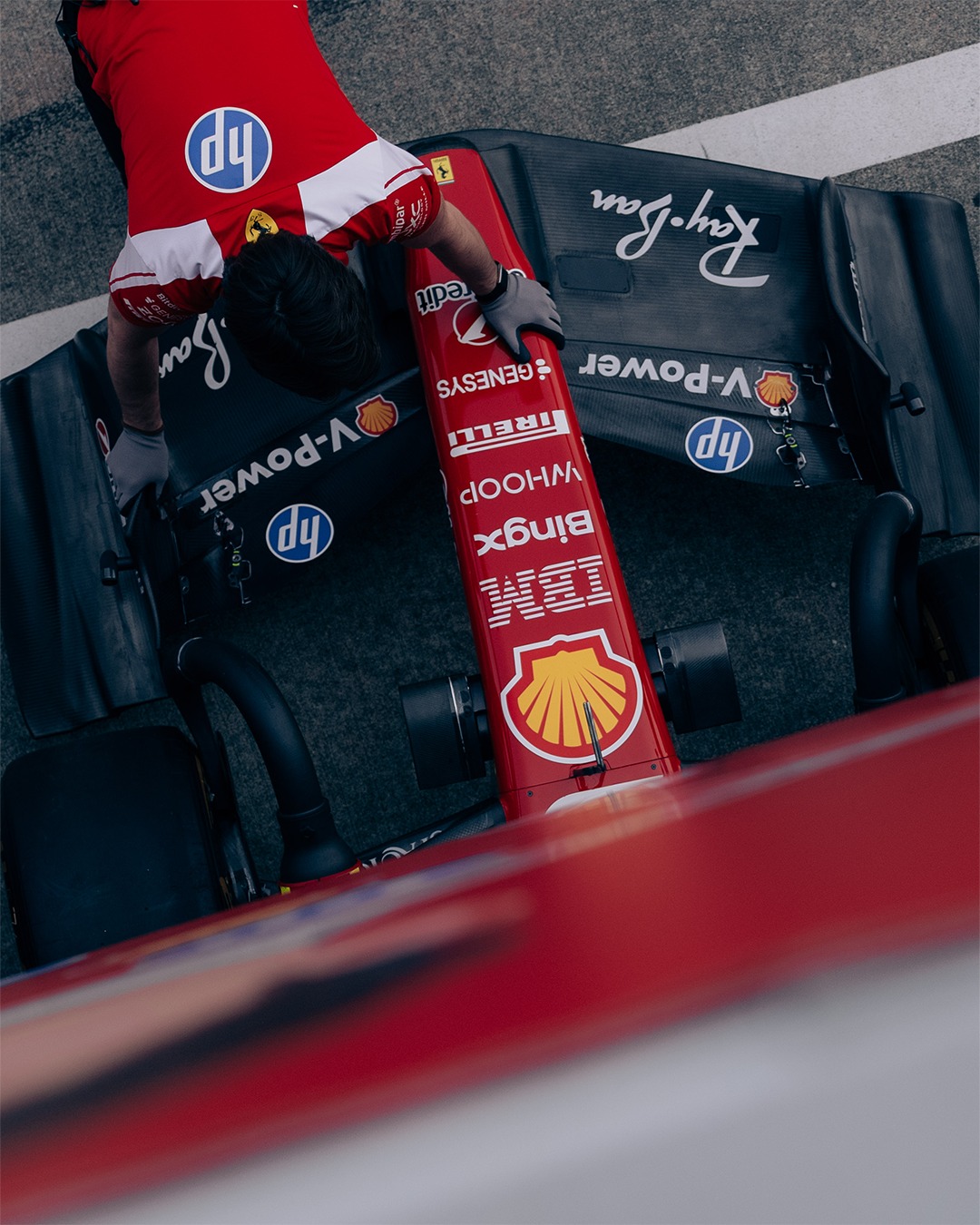
Ferrari introduced an aggressive aero package in Miami—including revisions to the front wing, sidepods, and the “Macarena” rear wing to combat high drag.
- Aerodynamic Drag: Internal reports suggest the SF-26 suffers from higher-than-expected drag, which exacerbates the engine’s power deficiency.
- The “Underpowered” Argument: While the aero upgrades are intended to maximize the chassis’ efficiency, technical analysts suggest that without a fundamental boost in power unit output and energy deployment, the aero gains may be insufficient to challenge for wins on power-sensitive circuits.
Ferrari’s SF-26 Upgrade Plan to DOMINATE Mercedes
This video provides an in-depth analysis of Ferrari’s aggressive aerodynamic upgrade package for the SF-26 and how it aims to offset their current power deficit.