Here’s the deep dive into the team’s making a splash on and off the Grid in the 2026 Formula 1 world championship, The European leg of the 2026 Formula 1 World Championship has evolved into an absolute pressure cooker. Under the radical new regulatory framework—where the traditional rulebook was torn up in favor of a 50/50 split between the internal combustion engine and 350 kW of electrical power—the hierarchy has fractured.
We are witnessing a ruthless, multi-sided war for the podium. The grid is no longer defined by single-team dominance, but by razor-thin operational advantages, heavy-risk technological bets, and intense paddock politics.
Aston Martin’s Gamble: The Strategy of Patience
Aston Martin entered 2026 with massive expectations, but the opening half of the season has been defined by immense difficulty. The team has openly struggled to find a consistent operational window for their active aerodynamics, frequently fighting severe balance shifts when transitioning between high-downforce Z-Mode and low-drag X-Mode.


Instead of panic-buying their way out of the mid-field with rushed, unproven floor upgrades, Lawrence Stroll’s outfit is executing a calculated strategy of patience. Team leadership elected to minimize early-season manufacturing costs by carrying over baseline structural geometry from their development mules. The gamble relies on letting rivals burn through their strict aerodynamic testing allowances early, leaving Aston Martin with a massive surplus of wind tunnel hours and CFD capacity to deploy a definitive, game-changing upgrade package for the flyaway races. It is a high-stakes waiting game that has left fans frustrated, but the long-term data loop could pay off massively.
Cadillac: The Silent Simulator Giants
While they rarely dominate the speculative headlines, Cadillac’s quietly aggressive integration into the grid has become a fascinating technical case study. Rather than screaming about their presence, the American manufacturer has spent the year executing a meticulously funded engineering program behind closed doors.


Reports indicate that Cadillac’s driver roster has spent unprecedented time logged into their state-of-the-art simulator complexes, logging massive hours refining the regenerative harvesting algorithms needed for the 2026 MGU-K. They heavily invested in bespoke wind tunnel infrastructure, utilizing advanced rolling-road testing facilities specifically optimized to map the complex wheel-wake deflection mandated by the new narrow-chassis rules. Cadillac isn’t building a show car; they are systematically gathering a massive data repository to exploit the operational loopholes of this new era.
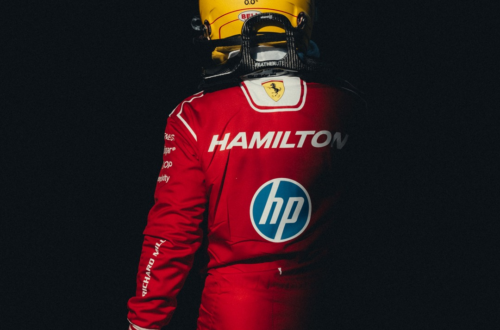
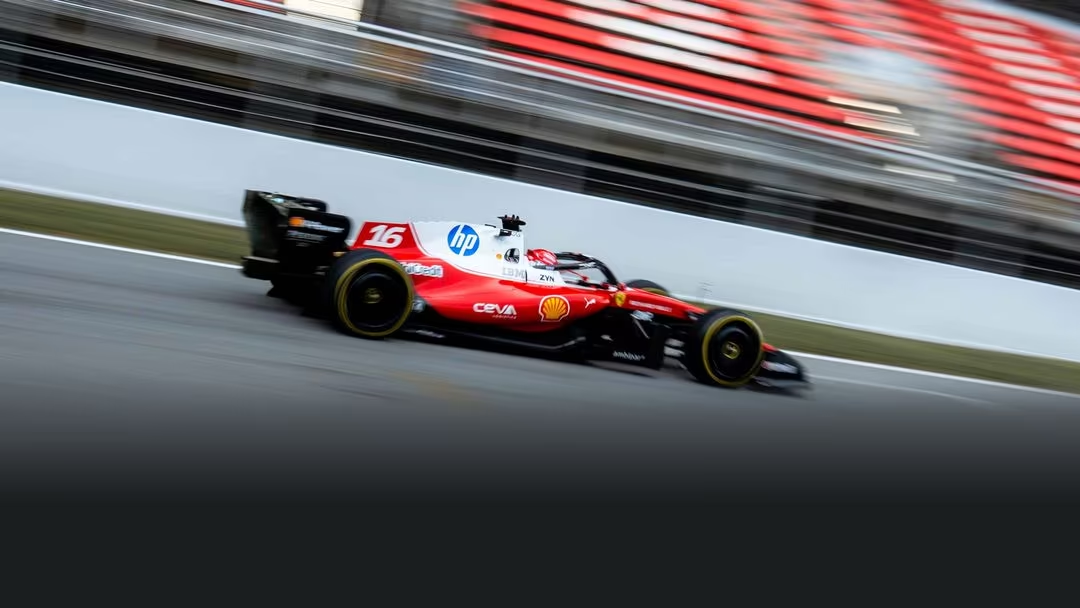
Scuderia Ferrari HP: The Method of Madness
Over at Maranello, Fred Vasseur’s “method of madness” is yielding tangible dividends. The bedrock of Ferrari’s campaign remains their robust, exceptionally balanced chassis, which continues to provide unmatched mechanical grip and predictable tire wear across varying track temperatures.


Crucially, the Scuderia’s aggressive development on their “hot engine concept”—which optimizes high-temperature thermal efficiency around the turbocharger to offset the loss of the MGU-H—has delivered devastating straight-line punch when deploying manual override boost. Backed by the stability of renewed long-term contracts for their driver lineup, Vasseur has brilliantly navigated the FIA’s strict homologation parameters, managing his upgrade tokens flawlessly to ensure every mechanical evolution directly enhances the car’s core compliance.
Red Bull Racing: Chaotic Setup, Precision Results
Red Bull Racing’s garage looks like an organized hurricane, yet the chaotic energy consistently translates into pure performance. The team has been dancing on a razor’s edge regarding ICE allocations, carefully monitoring the FIA’s ADUO (Additional Development and Upgrade Opportunities) index to see if any power unit rivals slip into the performance deficit margin that triggers cost-cap relief.


Red Bull’s operational agility was perfectly illustrated recently when a last-minute structural failure forced a rapid, unscripted replacement of their front wing assembly right before a critical session. Despite the frantic garage scrambling, the aero-balance held together seamlessly. Christian Horner’s technical department has concentrated their massive budget allocations on maximizing dynamic underbody airflow within the tight 2026 regulatory constraints, ensuring that even when the setup window looks chaotic, the car remains an absolute weapon on Sunday.
Alpine Racing: Sponsors, Stardust, and Upgrades
Alpine continues to be the paddock’s primary lightning rod for off-track narrative and commercial star power. The team continues to generate massive buzz, regularly drawing eyes with premium tie-ins like their high-profile Gucci sponsorship alongside ongoing political whispers regarding potential future collaborative inquiries linking figures like Christian Horner to expanding automotive powerhouses like BYD.

On the tarmac, Alpine’s driver pairing has put together highly resilient, gritty performances, dragging a temperamental car into point-scoring positions through pure racecraft. Behind the scenes, the engineering team has been working overtime, aggressively submitting new homologation paperwork to the FIA. Having successfully unlocked critical upgrade tokens, Alpine is introducing a revised rear suspension geometry and sidepod cooling profile aimed directly at curing the car’s mid-corner snap. The development war is in full swing, and Alpine is throwing everything they have into the fire.