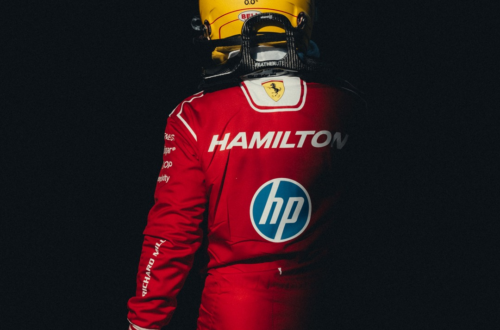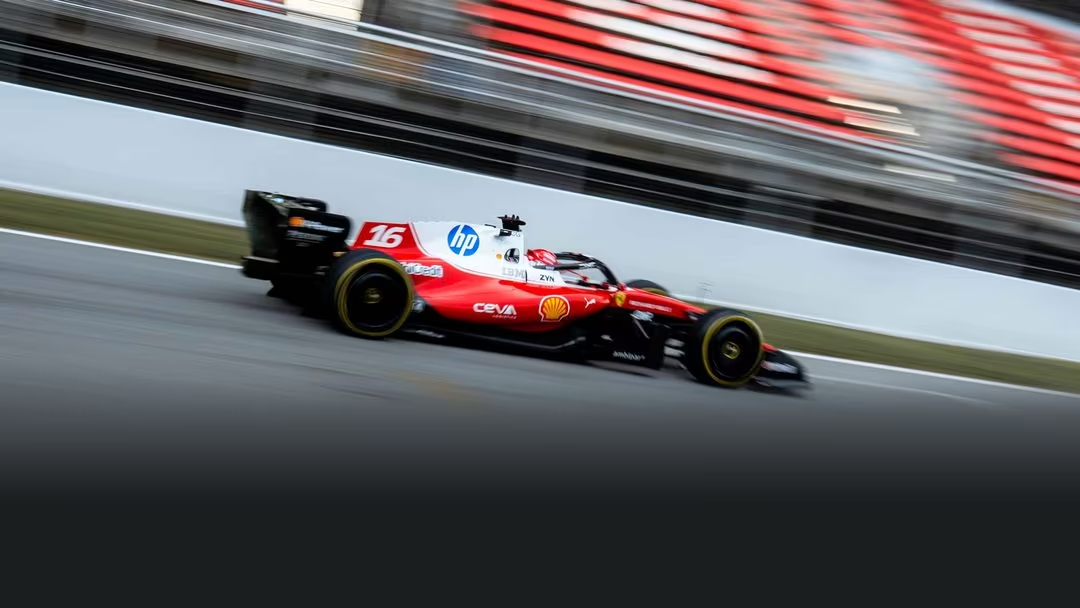
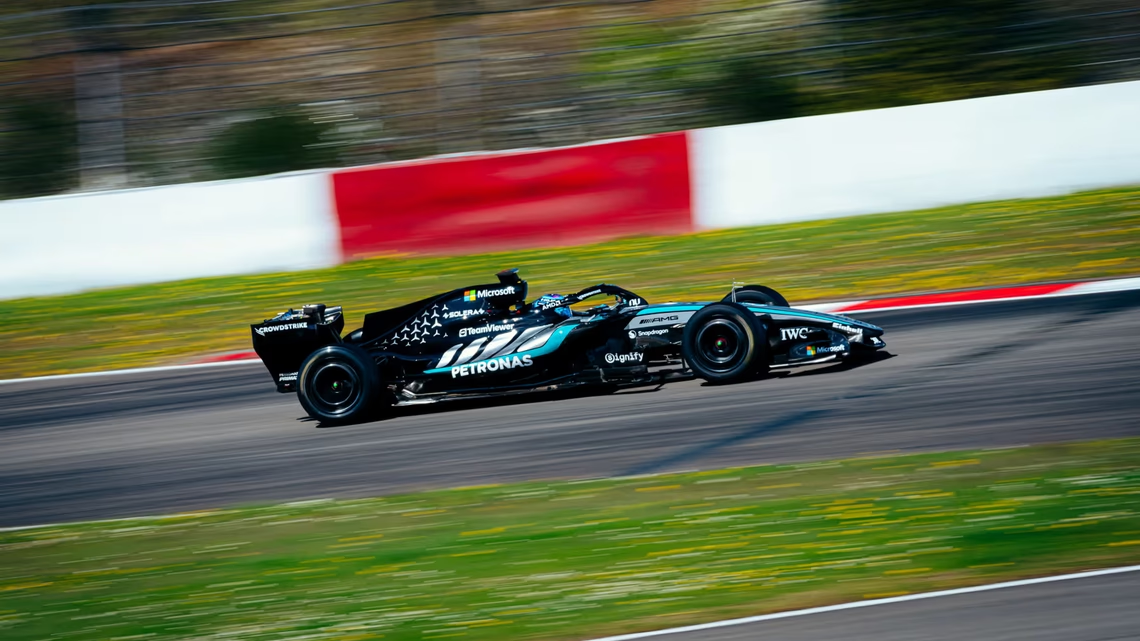
There is a unique, agonizing brand of frustration in modern Formula 1 that occurs when a driver feels a fundamental deficit in their machinery, yet cannot point to a single broken component. They know the lap time is bleeding away, they know the behavior of the car is compromised, but the telemetry paints a maddeningly perfect picture. For George Russell, the 2026 Belgian Grand Prix was the absolute apex of this invisible torture and it ended in a cloud of gravel dust at Les Combes.
The history books will record Russell’s Spa DNF as a first-lap racing incident, a byproduct of the tight margins at the sharp end of the grid. But for those watching closely, the tragedy of Russell’s race began the moment the lights went out, long before he went wheel-to-wheel with his former teammate.
Swamped by the System
Russell’s weekend had already been defined by a baffling straight-line speed deficit compared to his championship-leading teammate, Andrea Kimi Antonelli. But Sunday afternoon exposed a far deeper, more systemic issue under the bodywork of the W17.

When Russell launched out of La Source and accelerated down the hill toward Eau Rouge, the car simply starved. By his own post-race admission, the hybrid system was missing between 30% to 40% of its expected electrical deployment right off the line. As the pack screamed down the Kemmel Straight, Russell was an absolute sitting duck, helpless as the Ferraris of Charles Leclerc and Lewis Hamilton swamped him.

The root of this heartache lies in the defining battleground of the 2026 regulations: the engine pits. With the sport transitioning to a strict 50/50 power split between the internal combustion engine and electrical energy, managing the MGU-K has become a tactical tightrope. Mercedes, once the undisputed gold standard of powertrain efficiency, is showing clear signs of strain. As the benchmark moves further away, the bracket of operational tolerance for the Silver Arrows has shrunk. Russell knew the car lacked the deployment to defend itself. He felt the deficit, even if the pit wall couldn’t instantly diagnose why the energy harvest had vanished when it mattered most.
The Anatomy of the Incident
Driven by the pure desperation of knowing his machinery was handicapped, Russell attempted to salvage his afternoon with a high-stakes, around-the-outside bravado move at Les Combes. Hamilton, tucked closely in the dirty air of the cars ahead, lacked the front-end bite to keep the car tightly pinned to the apex. His front-left wheel clipped the rear of Russell’s W17, pitching the Mercedes into a definitive, race-ending spin into the gravel. The stewards didn’t hesitate, handing Hamilton a 5-second time penalty for causing a collision. But while the penalty was firmly Hamilton’s to hold, the true culprit of the disaster happened miles down the straight.
Defeat Without Protest
What makes this DNF cut so deeply is Russell’s subsequent reaction. In the past, we have seen a fiery, defiant Russell ready to fiercely protect his track position and lobby his case to the media. Today, we saw a driver weathered by a relentless tide of mechanical phantom issues. He didn’t launch into a passionate protest. He didn’t point fingers at Hamilton. Instead, a visibly emotional Russell simply deflected the blame inward, pointing straight at the structural reality of his car: “The incident shouldn’t have happened if I had the speed down the straight.”
It is a crushing realization for a driver who entered the weekend just 25 points adrift in a genuine title fight. To watch a flawless teammate control the race from pole while your own car experiences “one thing after another” is a psychological weight heavy enough to break the strongest resolve. Spa-Francorchamps continues to be a cruel playwright for George Russell—leaving him to mourn another zero-point finish, not because of a driving error, but because of a ghost in the machine he could feel, but couldn’t fix.