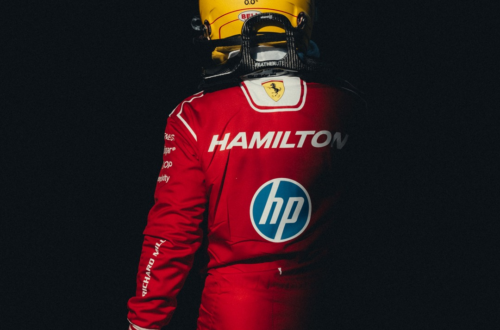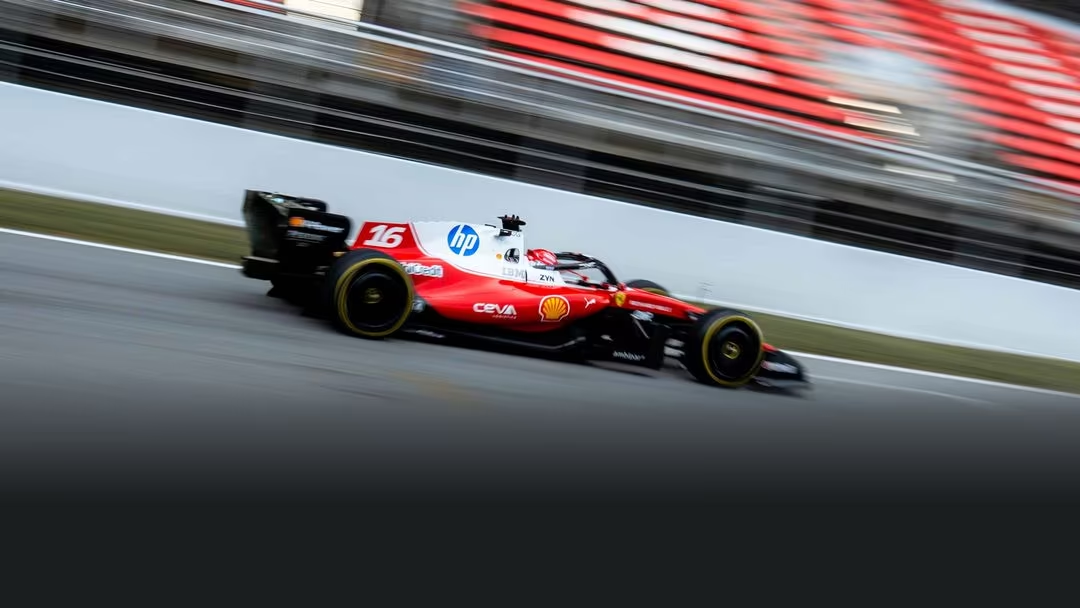
The comfortable illusion of a straightforward 2026 championship campaign has dissolved. As the paddock descends upon Montreal for the Canadian Grand Prix, the tone across the top tier of the pit lane has shifted from early-season exploration to a cold, calculated engineering war.
For Mercedes, the era of passive observation is officially over. For Aston Martin, a catastrophic, physically grounding crisis has evolved into a grueling, technical recovery operation.
Mercedes Triggers the Counter-Offensive
After sweeping the opening salvos of the 2026 regulatory era, Brackley faced an uncomfortable reality check under the Miami sun. While Mercedes stood still with microscopic drag-reduction tweaks, a relentless, B-spec-style development assault from McLaren, Red Bull, and Ferrari shrank the Silver Arrows’ baseline advantage to a razor-thin margin.

Toto Wolff’s response has been devoid of complacency. Mercedes has officially confirmed that the W17 will receive its first major, comprehensive upgrade package of the year at the Circuit Gilles-Villeneuve.+1
The upgrade is a direct, urgent reply to a steep grid-wide development curve. Wolff has discarded any romanticism regarding their early points cushion, adopting a clinical, operational focus:
“Our competitors took a step forward in Miami and we need to respond. We bring our first update package of the year to Montréal, but we know that performance is only performance once it is delivered on track.”+1
The upgrade package hits the track amidst escalating internal tension. Sophomore sensation Kimi Antonelli arrives in Canada on the heels of a clinical hat-trick of Grand Prix victories, establishing a commanding 20-point lead at the summit of the Drivers’ Championship. In stark contrast, George Russell’s campaign has plateaued dramatically since his season-opening triumph in Australia, with the British driver failing to secure a podium finish in the last two rounds.
Wolff has been forced to step into the psychological fray, fiercely defending Russell’s clinical, “killer” edge against the suffocating momentum of his teenage teammate. The Mercedes team principal has issued a stern mandate for internal stability, warning both sides of the garage that internal friction cannot compromise execution during a brutal stretch of seven Grands Prix in ten weeks.
Aston Martin: Lawrence Stroll Digs In Amidst Harmonic Crisis
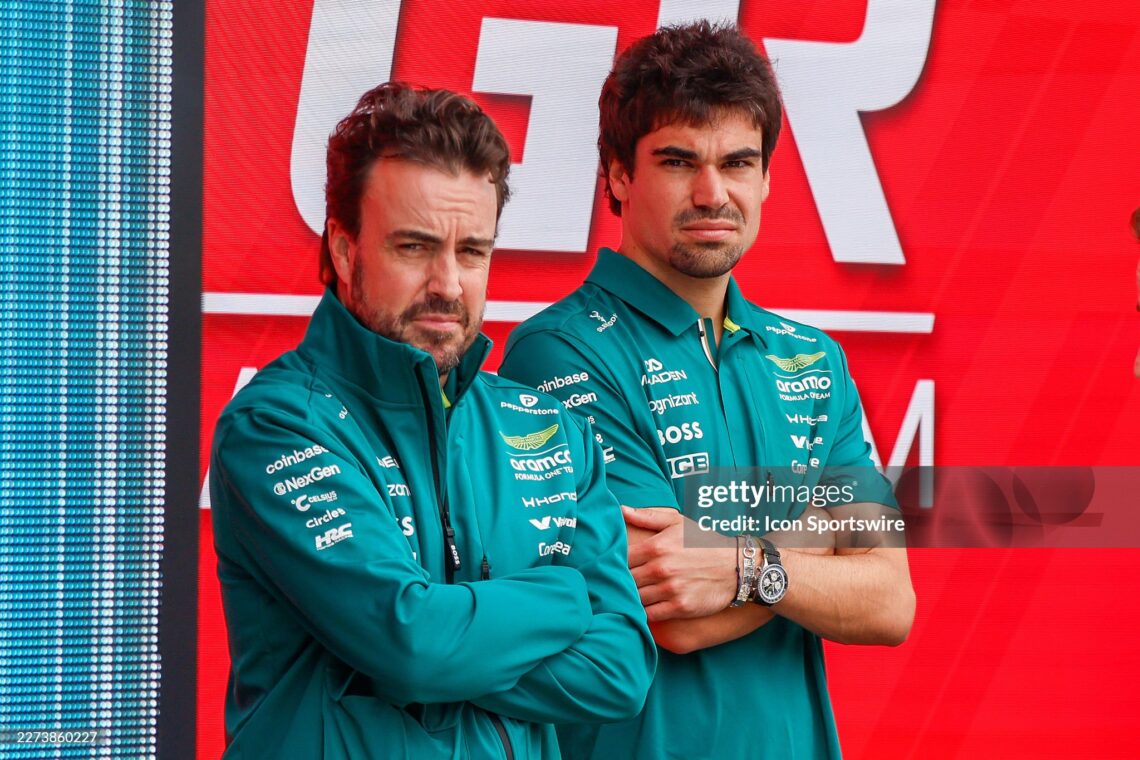
Across the paddock, the mood at Aston Martin Aramco remains unyielding, dictated by the heavy, pragmatic resolve of executive chairman Lawrence Stroll. Rooted to the bottom of the Constructors’ Championship with a bleak zero-point tally, the billionaire owner has reportedly refused to panic, opting instead to methodically oversee the resolution of the structural crisis that has paralyzed the AMR26.+1

The fundamental design path pairing Adrian Newey’s highly complex, ultra-stiff chassis with Honda’s new 350kW hybrid power unit inadvertently birthed a “multi-component resonance” failure. The resulting harmonic vibrations were so violent that they didn’t just compromise structural electronics and shed bodywork; they induced physical numbness in the hands of Fernando Alonso and Lance Stroll, threatening permanent nerve damage and capping stints at a maximum of 25 laps.
[Honda Power Unit + MGU-K] ──(Harmonic Resonance)──> [Ultra-Stiff Newey Chassis] ──> [Severe Battery & Driver Vibration]
The bleeding, however, has finally been stopped. Honda trackside chief Shintaro Orihara confirmed that targeted damping countermeasures and revised battery isolation mountings successfully stabilized the vehicle body in Miami, allowing both cars to achieve a full race distance for the first time this season.
With the immediate threat of mechanical and physical failure managed, Lawrence Stroll and Chief Strategy Officer Andy Cowell are refocussing the engineering department on an arduous recovery path. The objective for Canada is not raw downforce, but fundamental execution across two critical technical pillars:
- Driveability: Eliminating erratic torque spikes from the hybrid system to give the drivers a predictable platform on corner entry, mitigating the sudden rear-axle snaps that compromised the opening four rounds.
- Energy Management: Re-calibrating the complex 50/50 electrical power split across Montreal’s high-speed straights to completely eliminate “clipping” the premature depletion of battery deployment before the braking zones.
Aston Martin is treating Montreal not as a continuation of their season, but as a hard mechanical reset. For Lawrence Stroll, the massive capital expenditure allocated toward Silverstone’s state-of-the-art wind tunnel and simulation campus represents a long-term buffer. The administrative directive is clear: the baseline architecture must be salvaged, the operational variables isolated, and the car’s theoretical performance systematically unlocked.