If you’ve watched a Korean drama lately, you’ve seen it. Every high-flying corporate executive, every brooding lead, and every flagship shot is dominated by Genesis. The brand oozes an undeniable “premium but reliable” vibe. It’s a masterful exercise in building a luxury identity from the ground up: offering buyers more luxury, tech, and safety engineering for less money, while methodically raising the bar on build quality.
The real battlefield is Europe. And the reason comes down to one massive, unyielding factor: Infrastructure.

The Great Infrastructure Divide: US vs. Europe
The reality of buying a high-end vehicle today is that luxury is heavily dictated by convenience. When we analyze the sheer physical infrastructure backing the electric and electrified market, the difference between the US and the European continent is staggering.
Infrastructure Metric | United States | European Landscape (EU, UK, NO, CH) |
|---|---|---|
Traditional Gas Stations | ~145,000 to 160,000 | ~140,000 |
Public EV Charging Locations/Points | ~82,000 locations | Over 1.22 million individual plugs |
Individual Public EV Plugs (Ports) | ~250,000 plugs | Included above |
Hardware Ratio (EV Plugs to Gas Stations) | Gas stations outnumber EV locations | EV Plugs outnumber Gas Stations ~9 to 1 |
On paper, Europe’s public charging hardware outnumbers traditional gas stations by nearly 9 to 1. For a brand like Genesis whose current lineup leans heavily into electrification via pure battery electric vehicles (BEVs) and 48-volt mild hybrids (MHEVs)—Europe presents an environment where an EV owner actually feels pampered, rather than stranded.

Cannibalizing the Continent: The European EV Surge
Look at the raw registration data across the broader European landscape (EU, EFTA, and UK combined) for the opening quarters of the last two years:
- Q1 2025 All-Electric Sales: 573,439 units
- Q1 2026 All-Electric Registrations: 723,704 units
- The Delta: A roaring 26.2% volume increase year-over-year.
Considering the broader European automotive market only grew by roughly 4% overall during that exact window, EVs didn’t just grow—they actively cannibalized traditional internal combustion engines. Fully electric vehicles captured 20.6% of the entire European new-car market in Q1. One out of every five new cars hitting European roads now does so without an exhaust pipe. Petrol has dropped to 22.6% share, meaning EVs are sitting right on its bumper.
The Engineering Play: Who Wins the Battery War?
To compete against the established titans like Mercedes-Benz, BMW, and Audi—and even high-end legacy icons like Ferrari at the ultra-premium end—Genesis is playing a sophisticated packaging game.
Genesis doesn’t manufacture its own cells; instead, they co-develop proprietary packs with Korean battery giants LG Energy Solution and SK On. When you stack this strategy up against the rest of the global landscape, a fascinating matrix of strengths emerges:
- Genesis (Hyundai Group): Wins purely on charging speed and architecture. Thanks to their advanced 800V electrical systems, vehicles like the GV60 and Electrified GV70 can juicing from 10% to 80% in a mere 18 minutes.
- BYD: Wins on sheer cost mitigation and the durability of their Lithium Iron Phosphate (LFP) Blade batteries.
- Toyota: Wins on future solid-state theory, though they trail significantly in actual physical market execution.
The Verdict: More for Less
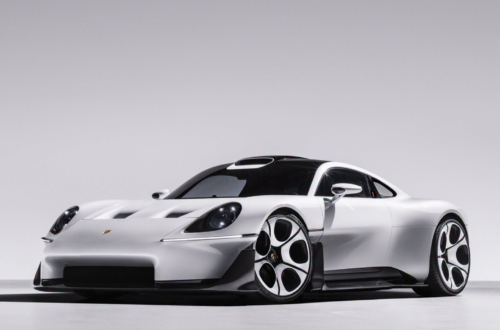
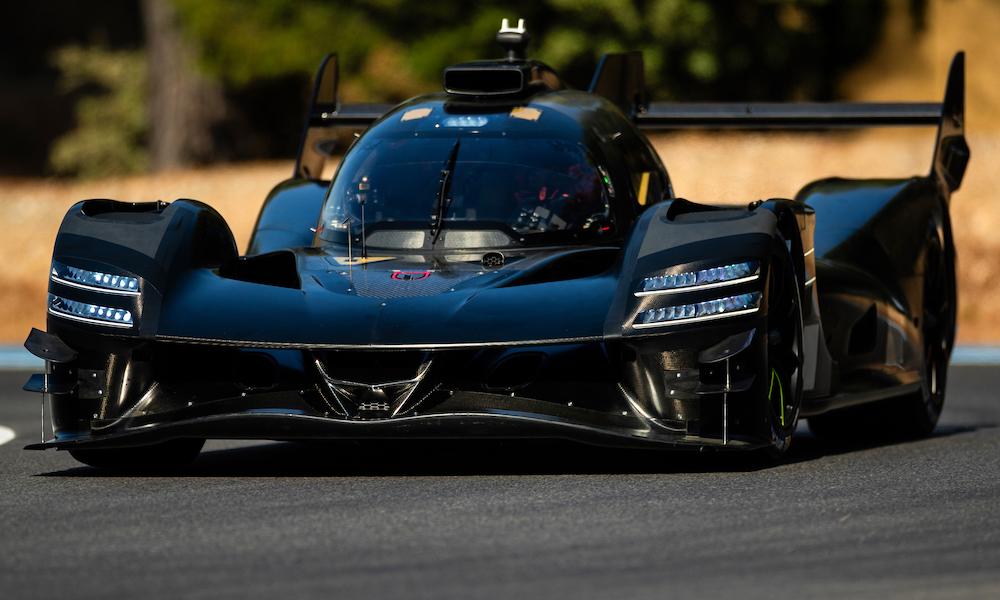
For the longest time, critics could argue that Genesis lacked the visceral design edge to stir European emotions. But the recent unveiling of the Genesis Magma program—including the fire-breathing GT3 Concept and the newly priced £75,915 GV60 Magma heading to European tarmac—has utterly flipped that script. They are combining high-end luxury with genuine motorsport credibility, even entering the Hypercar class at the 24 Hours of Le Mans.

If you can deliver a premium product that offers a bit better for less, it’s an automatic win. In Europe’s variable elevations, winding alpine passes, and cold seasons, having a massive, reliable charging grid means those highly efficient miles per charge actually translate to stress-free grand touring.
The US might buy the volume for now, but Europe is where Genesis is setting up its true stronghold.