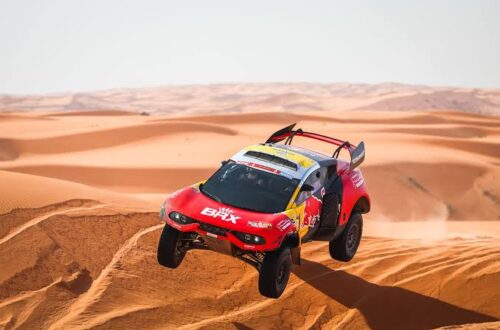
Dakar 2027: Aston Martin, Fernando Alonso and Toyota’s Hydrogen Hilux Prepare for a Return to Africa
The Dakar Rally has never been an ordinary motorsport competition. It is an endurance test in which mechanical engineering, navigation, driver fitness and sheer determination are pushed to their limits. But as preparations begin for the 2027 edition, the world’s most demanding rally-raid competition is preparing for a rather extraordinary change.
For the first time since 2007, Dakar will return to Africa, with Portugal and Morocco replacing Saudi Arabia as host territories. Meanwhile, Aston Martin is preparing an ambitious three-car assault with a machine inspired by a digital military vehicle, and Toyota is taking hydrogen fuel-cell technology into the desert.
There are familiar names returning, new engineering challenges emerging and a geographical change that could fundamentally alter the character of the competition.
The 49th edition, scheduled for 9–23 January 2027, is already shaping up to be one of Dakar’s most intriguing chapters.
A return to Africa: Portugal and Morocco take centre stage
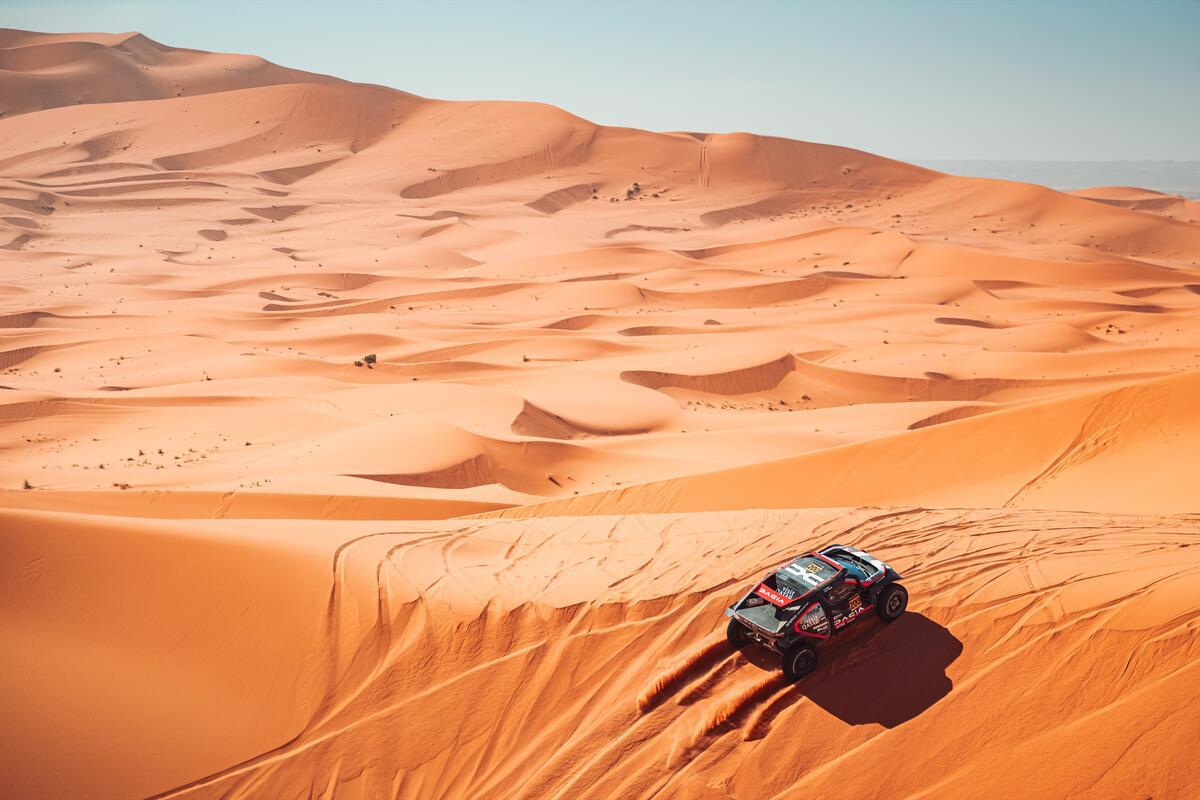
The biggest organisational development is Dakar’s temporary departure from Saudi Arabia.
Following developments in the region, organisers announced on 30 October 2026 that the 2027 competition would relocate to Portugal and Morocco. Saudi Arabia is expected to return as host in 2028, when the rally celebrates its 50th edition.
The revised route begins in Loulé-Faro, Portugal, before competitors cross into Morocco and eventually reach Marrakech.
The planned route covers 7,824 kilometres, including 4,341 kilometres of competitive special stages, across a prologue and 12 stages.
Morocco will host 11 of those stages, with a rest day scheduled in Agadir.
This is more than a change of scenery. Morocco brings a different combination of terrain, navigation challenges and desert conditions. Competitors will have to adapt to the demands of an African route after several years of racing primarily across Saudi Arabia.
For Dakar historians, the return is particularly meaningful. The competition’s African heritage remains central to its identity, and the 2027 route offers a reminder of the event’s original geographical character.
Federation Internationale de l’Automobile +1
Aston Martin’s extraordinary Dakar debut: The Dreadnought arrives
Perhaps the most unexpected announcement has come from Aston Martin.
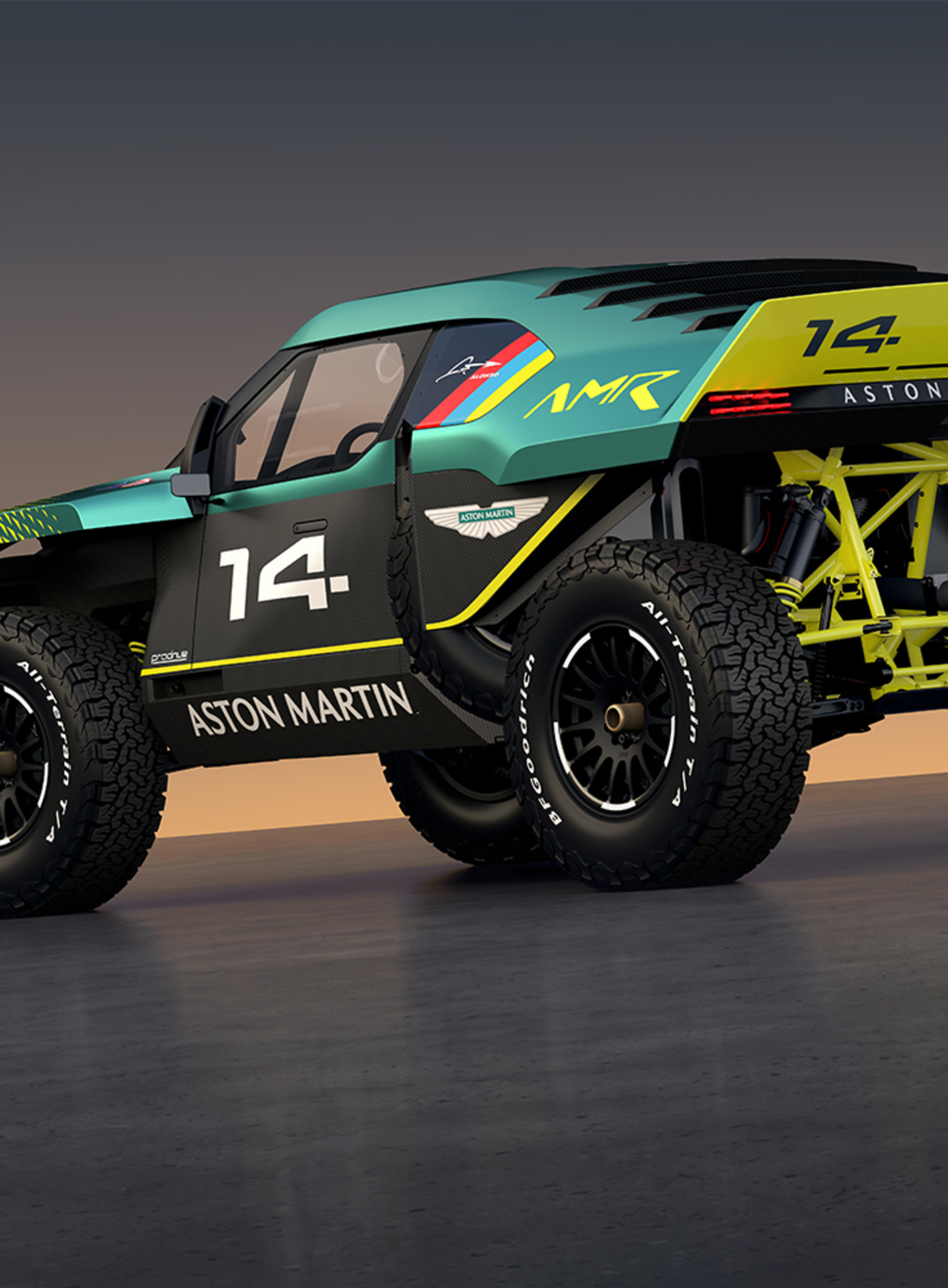
On 17 November, Aston Martin Racing confirmed that it would enter Dakar 2027 with three Dreadnought rally-raid vehicles, engineered, constructed and operated by British motorsport specialist Prodrive.
The name Dreadnought might sound familiar to gamers. The original concept was designed as a digital-only, military-specification vehicle for Call of Duty: Modern Warfare 4. Now, its visual identity has inspired a purpose-built competition machine.
It is an unusual journey from digital design to the physical world, particularly when the destination is one of the toughest environments in international motorsport.
Prodrive will be responsible for developing and running the three vehicles, bringing decades of rally and endurance-racing experience to Aston Martin’s first Dakar campaign.
The driver lineup is equally ambitious:
* Fernando Alonso, two-time Formula One World Champion.
* Sébastien Loeb, nine-time World Rally Champion.
* Lucas Moraes, reigning 2025 FIA World Rally-Raid Champion.
Alonso will be reunited with Marc Coma as co-driver. The pair previously competed together in the 2020 Dakar, where Alonso finished 13th overall in a Toyota Hilux.
For Aston Martin, this is a significant expansion of its motorsport ambitions. The company is moving beyond the familiar world of grand prix racing and endurance competition into an environment where reliability, suspension durability, navigation and mechanical resilience are every bit as important as outright speed.
Aston Martin +1
Fernando Alonso: From Formula One to the Sahara
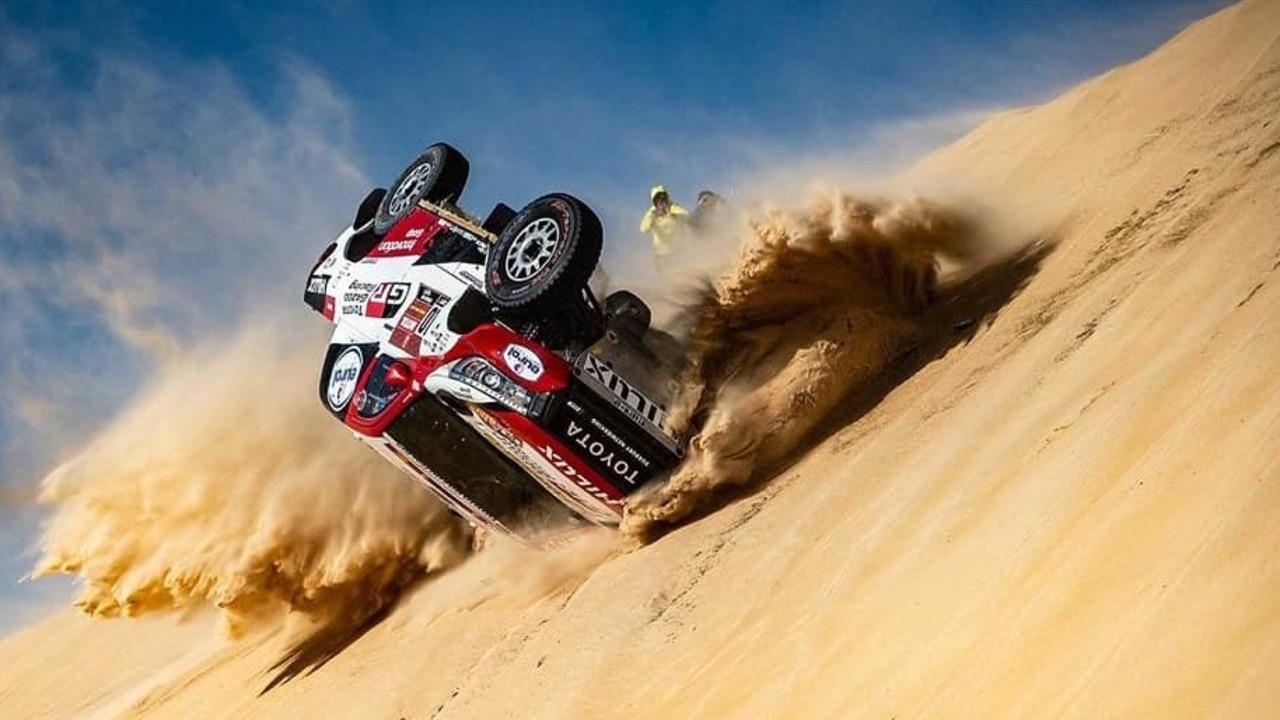
Alonso’s return deserves particular attention.
His 2020 Dakar appearance demonstrated that his ambitions extended well beyond Formula One. After leaving F1 at the end of 2018, he explored several disciplines, including endurance racing, the Indianapolis 500 and rally-raid competition.
His 13th-place Dakar finish was a respectable result for a driver entering an entirely different motorsport discipline.
Now, seven years later, he returns with considerably more experience and an ambitious engineering operation behind him.
There is also an interesting scheduling challenge. Dakar concludes on 23 January, immediately before preparations for the 2027 Formula One season intensify.
Alonso has confirmed his commitment to both Aston Martin programmes, although Formula One remains his priority.
The question is whether he can translate his previous Dakar experience into a stronger result against specialists who have spent their careers navigating some of the world’s most unforgiving terrain.
Toyota’s hydrogen Hilux: A different kind of Dakar challenge
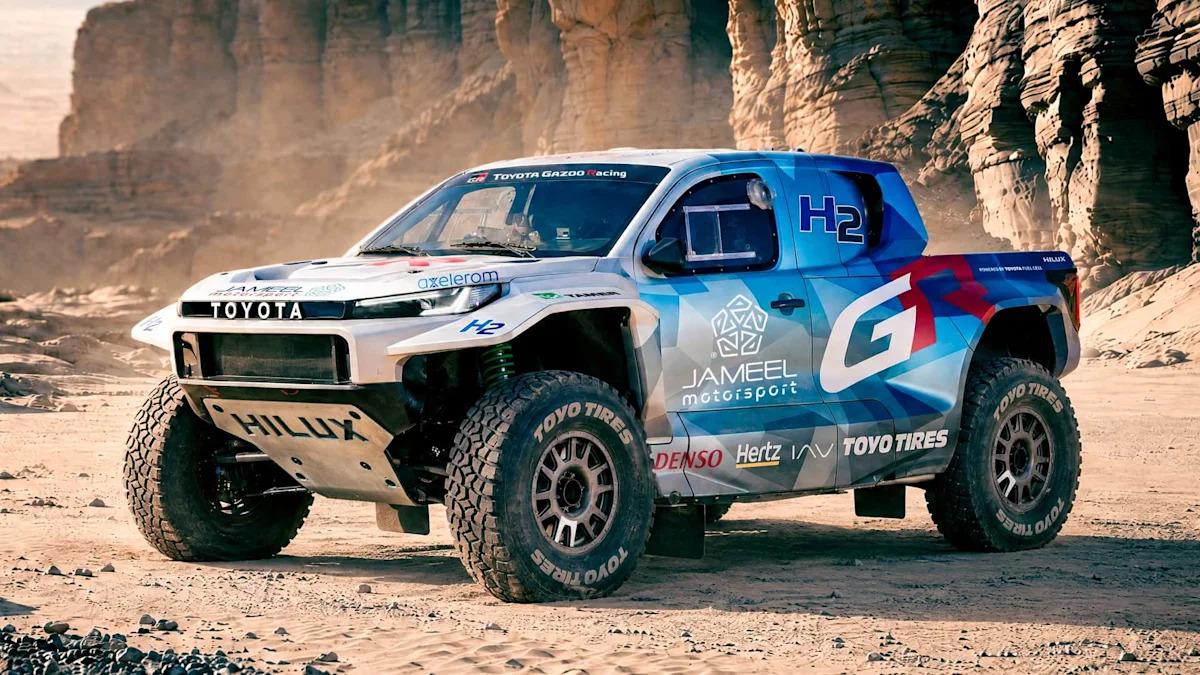
While Aston Martin is attracting attention with its driver lineup, Toyota is approaching Dakar from a different direction.
On 19 November, Toyota Gazoo Racing announced that its European and South African operations would combine under a unified programme for 2027.
The team will compete in the Ultimate category with Hilux-based rally vehicles, powered by engines derived from Toyota’s 3.5-litre twin-turbocharged V6 V35A powerplant.
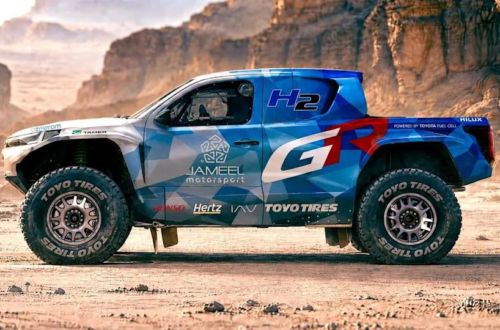
However, the more experimental development is the DKR GR FC Hilux.
This vehicle will compete in Dakar’s Future Mission 1000 category, which provides a platform for alternative propulsion technologies.
Rather than using a conventional petrol engine, the prototype employs hydrogen fuel-cell technology.
Its engineering includes:
* Two fuel-cell stacks combined into one system.
* High-pressure hydrogen storage tanks derived from the Toyota Mirai programme.
* A dedicated electric axle.
* A new high-voltage cooling system.
* A specialised electronic control system.
Toyota has also introduced natural-fibre body panels to replace certain carbon-fibre components.
The objective is not simply to complete Dakar. Toyota wants to understand how hydrogen fuel-cell technology performs under extreme conditions, particularly when subjected to heat, vibration, sustained loads and demanding cooling requirements.
It is important to distinguish this experimental vehicle from Toyota’s conventional Hilux competitors. The hydrogen machine is entered in Mission 1000, not the overall Ultimate-class battle.
If the programme succeeds, the engineering lessons could influence future commercial fuel-cell development.
GAZOO Racing +2
The competition: Toyota, Dacia, Ford and Aston Martin
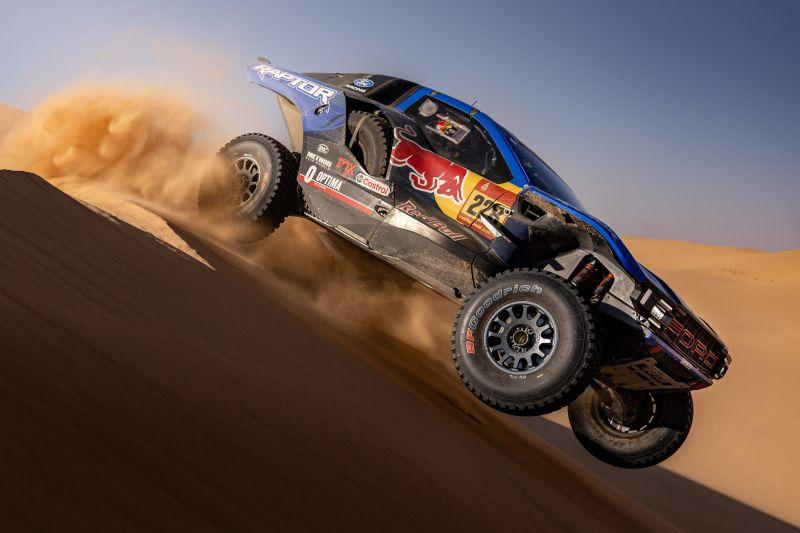
The 2027 competition will bring together several major automotive programmes.
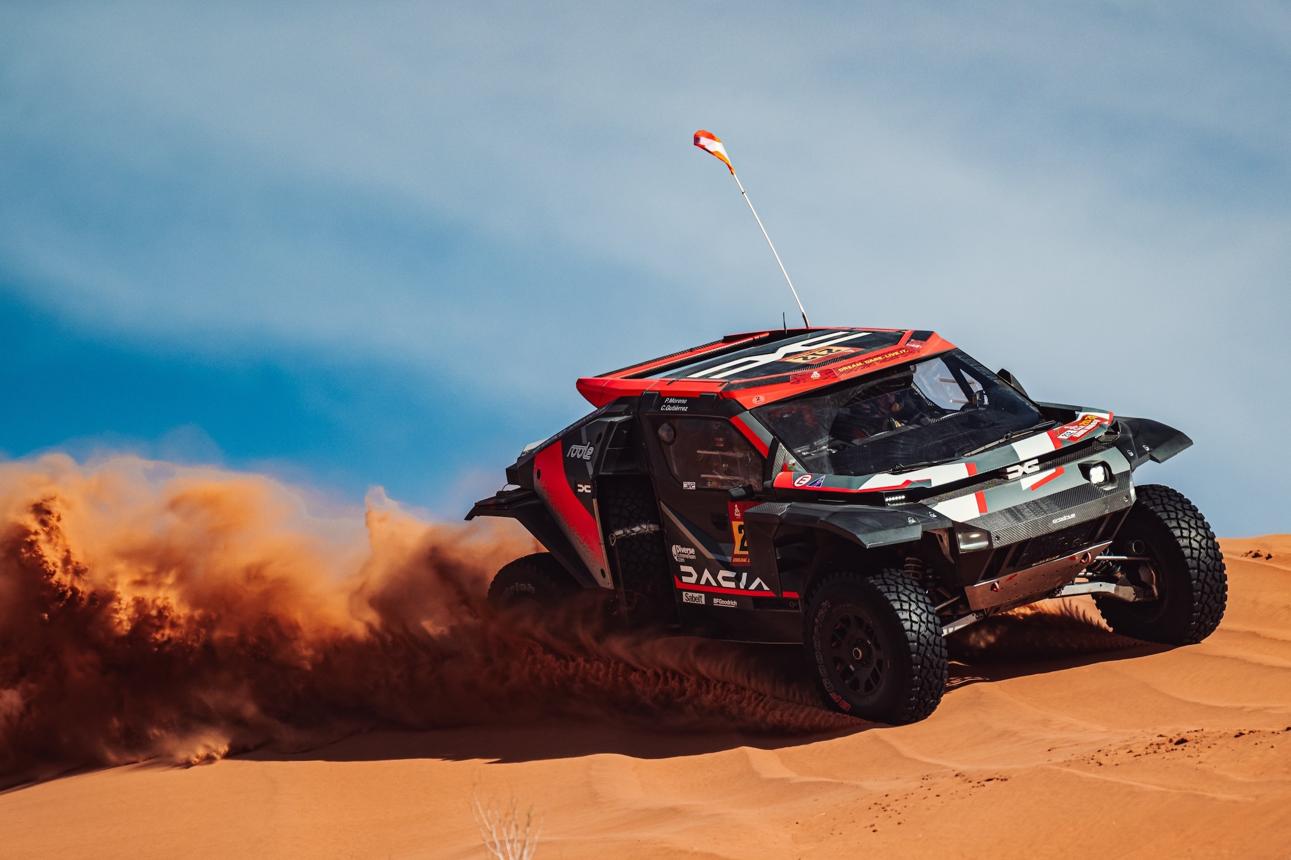
Dacia Sandriders
Dacia enters with an established rally-raid programme and the confidence of its 2026 Dakar victory. Nasser Al-Attiyah remains one of the most important names in the discipline, and the Sandriders will provide a serious benchmark for the newcomers.
Toyota Gazoo Racing
The Hilux has an established Dakar reputation. The combination of European and South African engineering resources could strengthen Toyota’s competitive operation.
Ford
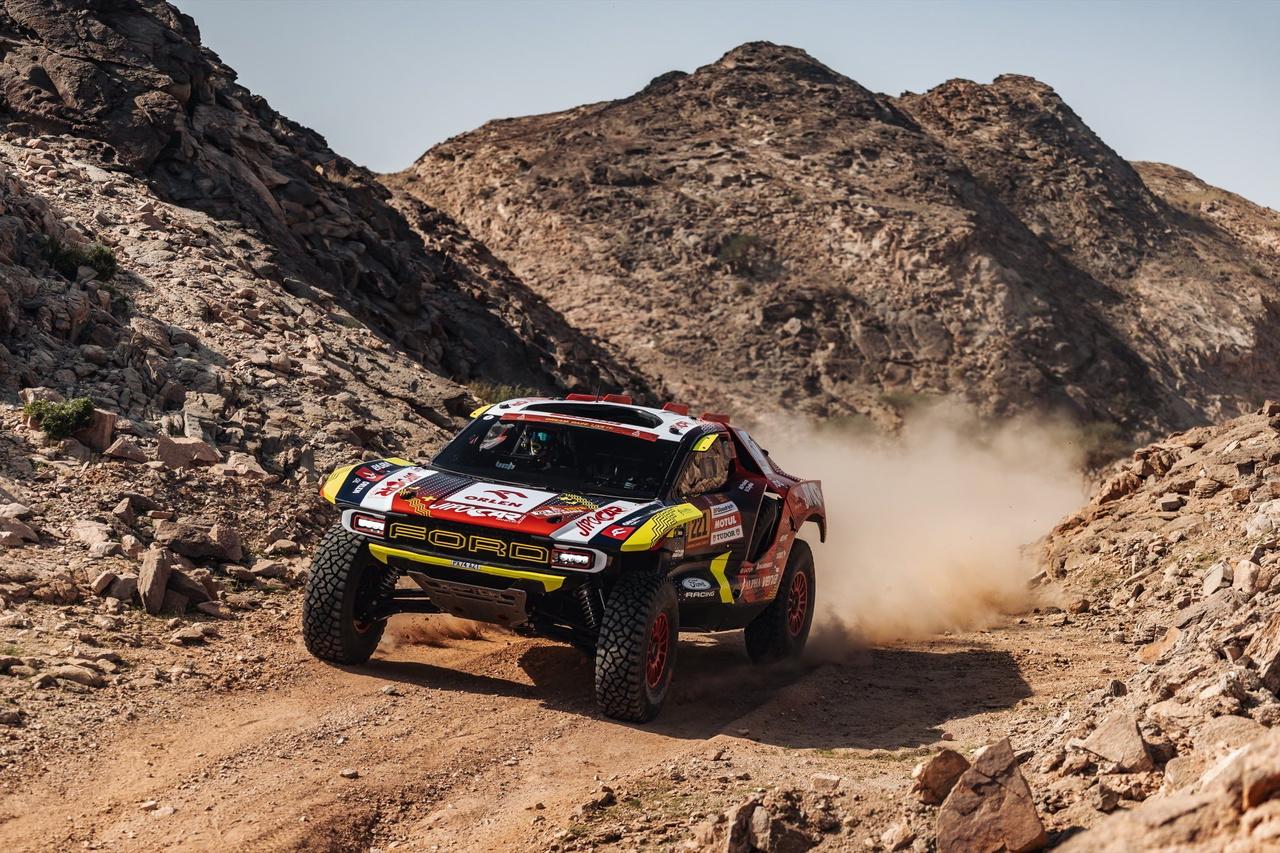
The Raptor T1+ programme has established Ford as a serious rally-raid competitor. Its development is worth following as the team prepares for another campaign.
Aston Martin / Prodrive
This is the wildcard. Aston Martin has assembled an impressive driver lineup, but its Dreadnought will need to prove itself against vehicles developed specifically for rally-raid competition.
The biggest challenge for Aston Martin may not be outright speed. It will be ensuring that its machinery survives thousands of kilometres of punishing terrain without losing the reliability required to remain competitive.
What makes Dakar 2027 particularly important?
There are three developments that make this edition particularly interesting.
First, the return to Africa changes the geographical identity of the event and reconnects it with its historical roots.
Second, Aston Martin’s entry demonstrates how automotive brands are increasingly looking beyond traditional circuit racing to establish their engineering credentials.
Finally, Toyota’s hydrogen programme introduces a technological question that extends well beyond motorsport: can alternative propulsion systems withstand the extreme conditions traditionally reserved for combustion-powered competition vehicles?
Dakar has always been about more than winning. It has historically provided manufacturers with an environment in which to test engineering ideas under conditions that ordinary road testing cannot easily reproduce.
The 2027 edition will put that philosophy to the test once again.
The final word
The Dakar Rally is returning to Africa, Aston Martin is taking a digital military-inspired concept into the Sahara, Fernando Alonso is preparing for another encounter with the world’s toughest rally-raid competition, and Toyota is testing the potential of hydrogen in an environment that offers very little forgiveness.
For automotive enthusiasts, it is an unusually interesting combination of heritage, engineering experimentation and competition.
The real story may not be which manufacturer crosses the finish line first. It may be which one leaves Morocco with the most valuable engineering lessons.
And for Aston Martin, the Dreadnought has an opportunity to become something considerably more than an unusual name on the entry list.
It has to prove that it belongs in the desert.
Primary sources for publication:
* [Dakar – Official 2027 route announcement](https://www.dakar.com/en/news/2027/portugal-and-morocco-to-exceptionally-host-the-49th-edition/208359?utm_source=chatgpt.com)
* [Aston Martin – Official Dreadnought announcement](https://media.astonmartin.com/aston-martin-racing-embarks-on-pioneering-debut-at-dakar-2027/?lang=eng&utm_source=chatgpt.com)
* [Toyota Gazoo Racing – 2027 Dakar programme](https://toyotagazooracing.com/dakar/release/2026/1119-01/?utm_source=chatgpt.com)
* [Toyota – Hydrogen Hilux development](https://toyotagazooracing.com/dakar/release/2026/1021-01/?utm_source=chatgpt.com)
Editorial note: The 2027 event has not yet taken place. Driver participation and technical programmes are based on announcements available as of 23 November 2026; competitive results remain to be determined.
8
8
8
8