Beyond the Big Names: The Independent Fashion Houses Keeping Creativity Alive
By DLifestyle Magazine
There is something rather interesting happening in fashion. While the major luxury houses continue to dominate the runway, attract celebrity ambassadors and compete for the attention of an increasingly demanding market, a different kind of fashion business is quietly building its own following.
They are the independent fashion houses.
Not necessarily the biggest, not always the most recognisable, and certainly not always the ones with the largest advertising budgets. But these are the labels that often give us something the established industry can struggle to deliver: a different point of view.
In our search for designers who challenge the familiar, we looked at names such as Marie Adam-Leenaerdt and Anthony Calydon. Their work raised a bigger question: what happens when a designer wants to create without having to answer to the expectations of a major fashion corporation?
The answer is not always straightforward. Running an independent fashion house is difficult. There are fabrics to source, workshops to pay, production schedules to meet, retailers to negotiate with and customers to find. There is also the constant pressure to produce something new, even when the resources available are considerably smaller than those of the established luxury brands.
Yet perhaps that is precisely why these houses deserve our attention.
What makes an independent fashion house different?
Independence is not simply a matter of being a small brand. It is about control.
Who decides what goes into a collection? Who determines how much is produced? Who owns the creative direction? And, perhaps most importantly, who benefits when a designer’s idea becomes commercially successful?
A major fashion house may have teams dedicated to marketing, merchandising, production and global distribution. An independent label might have a designer doing much of that work themselves.
The difference can be enormous.
An independent designer may decide to produce fewer garments because they want to maintain quality. They may choose an unusual fabric because it communicates something important about the collection, even if it is more difficult to manufacture. They may refuse a retail arrangement that puts their business at risk.
These decisions are not always commercially convenient, but they can be essential to preserving the identity of a label.
And that is where independence becomes interesting. It gives a designer the opportunity to build a house around an idea rather than build an idea around a business plan.
The houses worth paying attention to
LII: a brand built around restraint
Founded by Zane Li, LII is an interesting example of a designer attempting to control the speed and direction of his own growth.
Rather than rushing towards celebrity endorsements and outside investment, Li has spoken about protecting the product and allowing the brand to develop at a pace that makes sense for its identity.
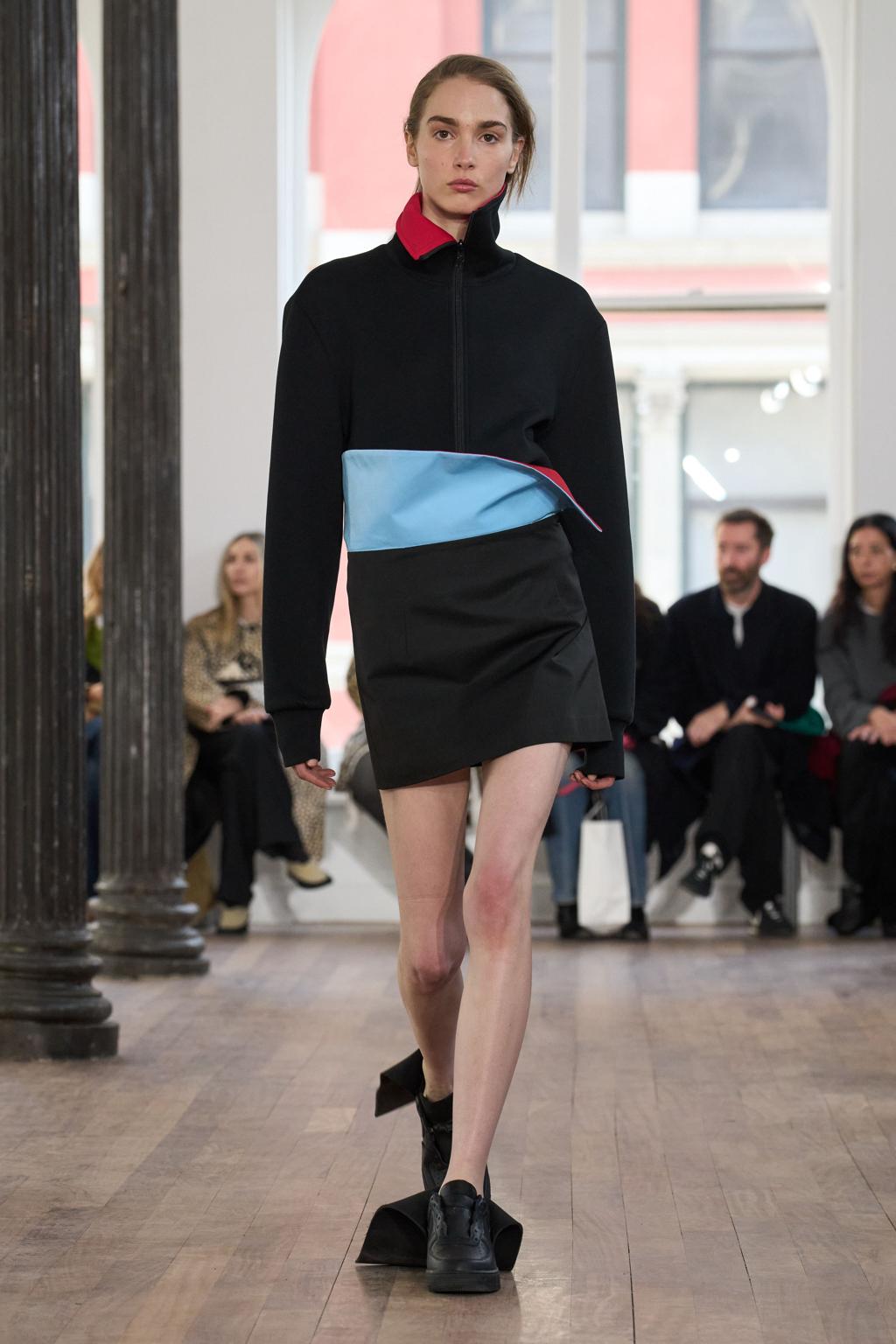
The work is defined by technical materials, sculptural silhouettes and a restrained visual language. It is not fashion that necessarily demands attention through a recognisable logo. Its appeal lies in the construction and the details.
There is something refreshing about a designer who understands that visibility and success are not necessarily the same thing.
In a market where social media can make a label appear successful long before its business is sustainable, restraint can be a creative decision in its own right.
Colleen Allen: independence comes with conditions
Colleen Allen offers another perspective.
Having worked in established fashion before creating her own label, Allen understands the difference between designing within a larger organisation and building a business around her own vision.
Her approach to retail is particularly revealing. She has discussed refusing arrangements that do not provide the financial security her business needs, including retailers unwilling to pay deposits upfront.
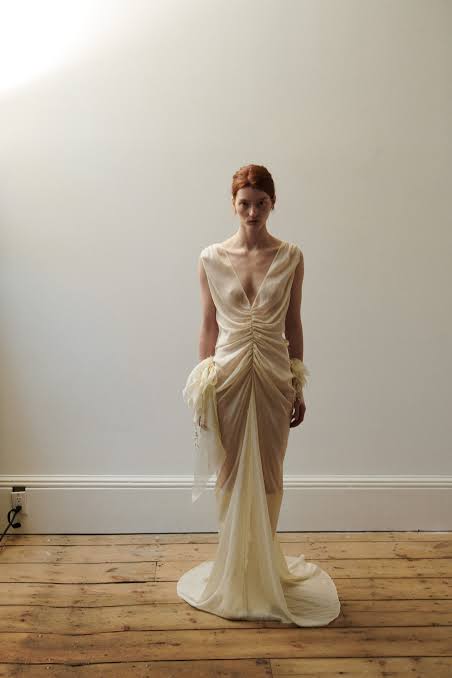
That might sound like a commercial detail, but for an independent house it can determine whether the business survives.
A large retailer has considerably more negotiating power than a small designer. If a label accepts unfavourable terms simply to gain shelf space, it can end up financing a much larger company’s business at its own expense.
Allen’s position is a reminder that independence is not just about having an original collection. It is also about having the confidence to protect the business behind it.
Anthony Calydon: building a recognisable identity without the machinery
Anthony Calydon is particularly interesting because his label grew from a much more personal starting point.
Self-taught and initially making garments by hand, he developed a visual identity influenced by manga, video games, pop culture and unconventional construction.
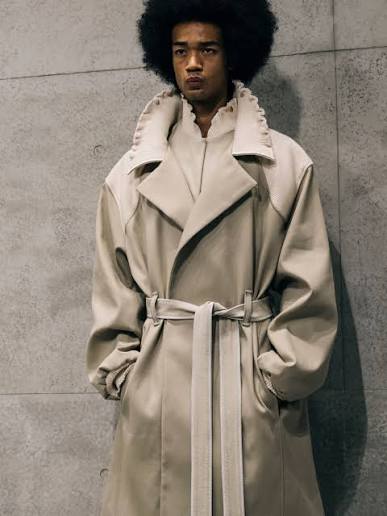
His use of overlock stitching is a good example. A technical detail that might ordinarily be hidden becomes part of the design itself.
His ambition is for people to recognise his work without needing to see a prominent logo. That is an important distinction in an industry where brand recognition can sometimes overshadow the garment.
Calydon’s story also demonstrates that an independent house does not have to remain local or obscure. His work has attracted international attention, including opportunities in Japan.
The challenge now is to grow without losing the character that made the label distinctive in the first place.
Marie Adam-Leenaerdt: the garment before the logo
Marie Adam-Leenaerdt approaches independence from another direction.
Her collections question the way clothing is constructed and worn. Reversible garments, modular pieces and unexpected transformations give familiar items a second purpose.
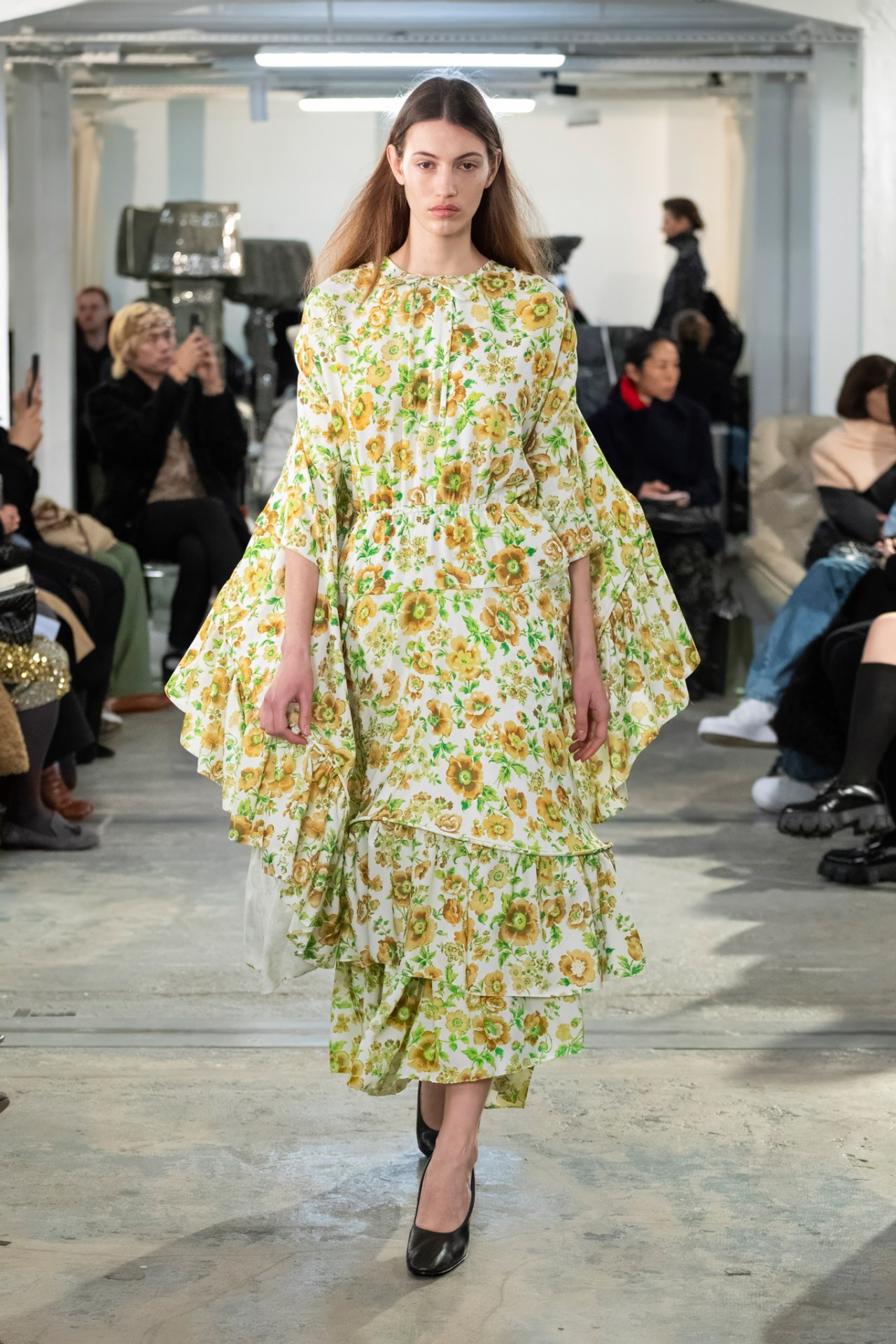
Rather than simply introducing a new silhouette each season, she explores what a garment can become.
Her work raises an interesting question for the wider industry: if a piece can be adapted, reused or transformed, does fashion always need to persuade us to buy something entirely new?
That is not an argument against luxury or craftsmanship. It is an argument for thinking more carefully about what we are buying.
The uncomfortable side of independence: who protects the original idea?
There is a reason this conversation matters beyond aesthetics.
Independent designers frequently operate with limited resources. They may have a small production team, a modest online following and little access to the legal and commercial support available to established brands.
When an independent designer believes that a larger company has reproduced a distinctive design, the situation can become difficult very quickly.
Consider the 2026 dispute involving Australian independent label Khaos and retailer Universal Store. Khaos founder Bessie Joseph publicly questioned the similarity between her Billie skirt and a skirt sold by the larger retailer.
Joseph took steps to challenge the situation, including sending a cease-and-desist notice. She also responded commercially by temporarily reducing the price of her own design to match the retailer’s price.
It became an unexpected moment of visibility for the independent label, but the larger issue remains.
The similarity was alleged by the designer; it was not a court-established finding of infringement. That distinction matters. Not every similar garment constitutes copying, and proving an intellectual-property violation can be complicated.
But the imbalance is real. A smaller designer may have to spend money defending an idea while the larger business already has the resources to manufacture, distribute and market products on a much greater scale.
This is why independent houses need more than customers who appreciate unusual clothing. They need a business environment in which original work can be protected and the people behind it can earn a living.
The danger of becoming successful
There is another challenge that independent designers rarely get to avoid: what happens when the industry finally notices them?
A label begins with a distinctive point of view. Its first customers are drawn to the fact that it is different. Then a retailer comes calling. An investor sees potential. A celebrity wears a piece. Suddenly, the brand is expected to produce more, expand faster and become commercially recognisable.
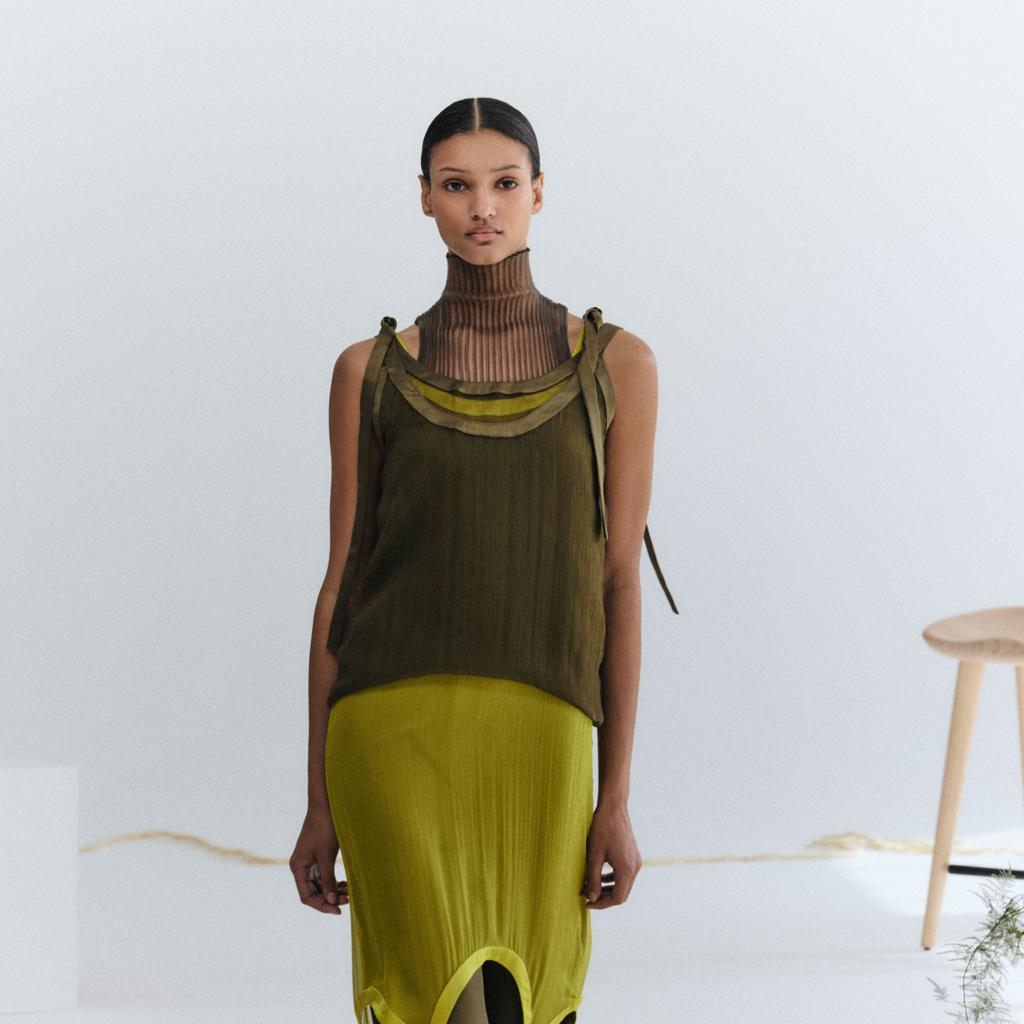
Growth can be wonderful. It can also change the very conditions that made a house interesting.
This is not to suggest that independent designers should avoid success or refuse investment. Rather, it raises a question about what they are willing to exchange for it.
Can a designer expand production without sacrificing craftsmanship? Can a house accept investment without surrendering its creative direction? Can it become internationally recognised without losing the personality that attracted its first customers?
These are difficult questions, and there are no universal answers.
But they help explain why independence should not be confused with remaining small forever. The real issue is whether a label can grow while retaining meaningful control over its identity.
Fashion needs more than another luxury giant
I have nothing against the established fashion houses. Their histories, ateliers, craftsmanship and influence have helped shape the industry. But fashion cannot live on heritage alone.
It needs new expressions. It needs people willing to experiment with materials, construction, proportion and the very purpose of clothing.
It needs designers who are not afraid to make something that might initially confuse an audience. It needs houses that can develop their own language without being forced to imitate whatever is currently selling.
And it needs customers who are willing to look beyond the familiar names.
Perhaps the most interesting fashion house is not necessarily the one with the biggest runway, the most expensive campaign or the longest list of celebrity clients. It might be the small studio where a designer is still experimenting, making mistakes, changing patterns and trying to create something that has never quite existed before.
That is where we should be looking.
Because when the business of fashion becomes louder than the creativity behind it, independent houses remind us that the industry still has room for another voice.
And sometimes, that voice is the one worth listening to.