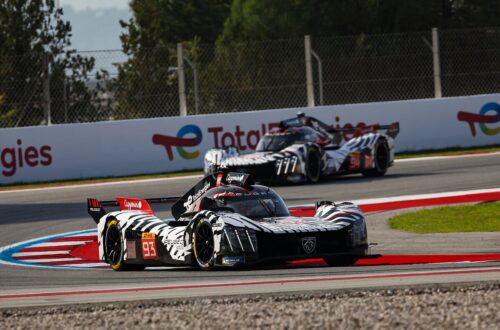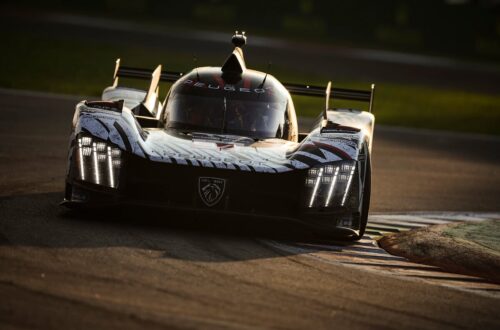

Ford GT41: A New Chapter, Built Around a Different Rulebook
Ford has officially unveiled its new GT41 Hypercar, the machine that will carry the Blue Oval back into the top class of the FIA World Endurance Championship in 2027. Revealed in Detroit on November 26, the car arrives with a familiar historical reference, but its engineering philosophy is distinctly modern.
The GT41 is not simply a new GT40-inspired silhouette. It represents Ford’s return to the highest level of endurance racing through a carefully selected technical route: LMDh homologation.
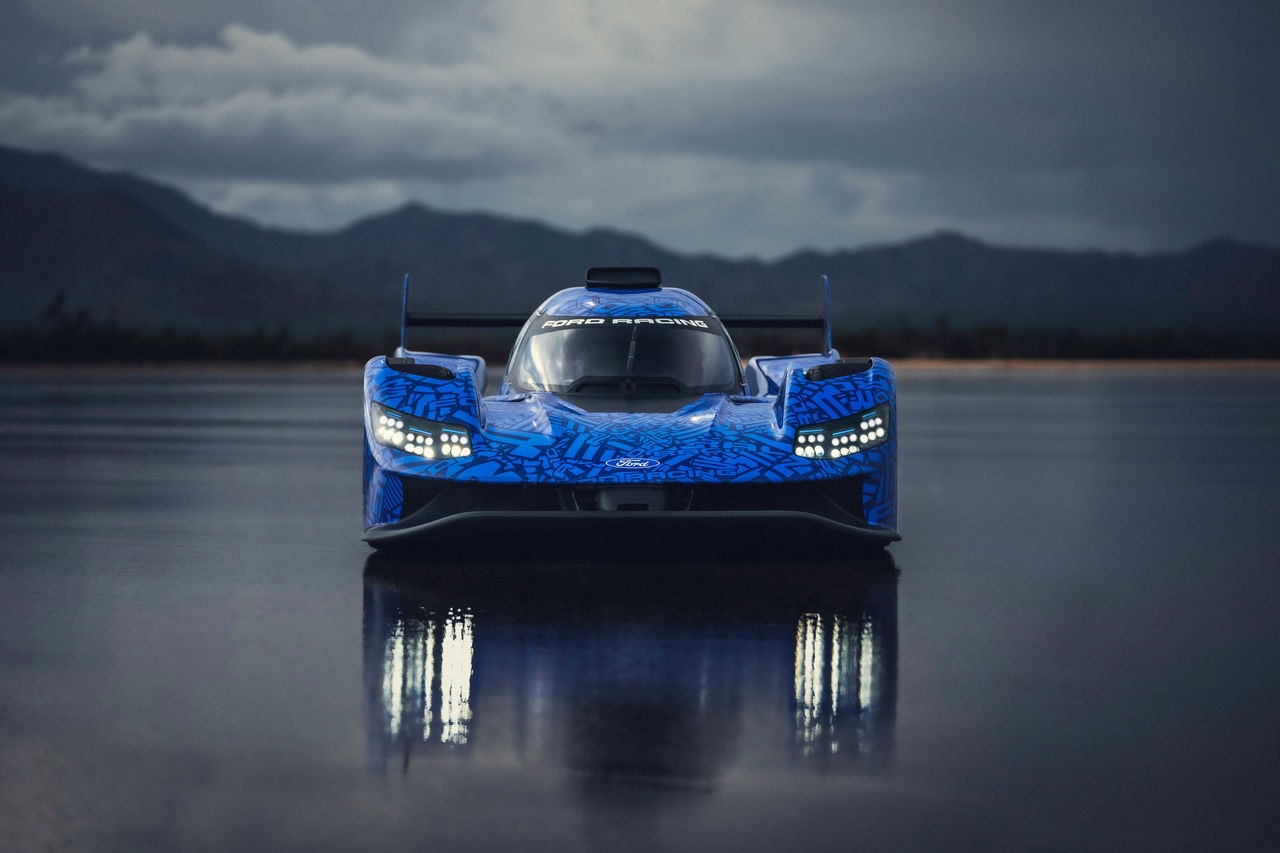
That choice places Ford in an interesting position against Ferrari, whose 499P has become one of the defining cars of the modern Le Mans era, and Genesis, whose Magma GT3 Concept is exploring a different relationship between road-car identity and motorsport ambition.
The three programmes share a common objective — turning a manufacturer’s engineering and identity into a competitive racing product — but their homologation paths are not interchangeable.
Ford GT41: Homologation Through LMDh
Ford’s GT41 is being developed under the Le Mans Daytona hybrid regulations, or LMDh. Unlike the Le Mans Hypercar (LMH) framework, LMDh requires manufacturers to select a chassis from one of four approved suppliers.
Ford has partnered with Oreca for the GT41’s underlying chassis architecture. The programme also uses a standardised hybrid system, including a common motor-generator and battery arrangement, while Ford retains responsibility for its own engine and the integration of its powertrain and bodywork.

The headline is the engine: a naturally aspirated 5.4-litre V8 developed in-house by Ford Racing.
The GT41’s homologation process is therefore not about Ford designing every component from a blank sheet. It is about taking a regulated platform, developing a distinctive Ford identity around it, and proving that the complete car complies with the FIA and ACO’s technical requirements.
Ford has already completed substantial testing. A recent endurance session at MotorLand Aragón covered more than 7,300 kilometres across two cars, while programme manager Dan Sayers described the technical definition as approximately 95 per cent finalised. Homologation is expected to follow the final development work.
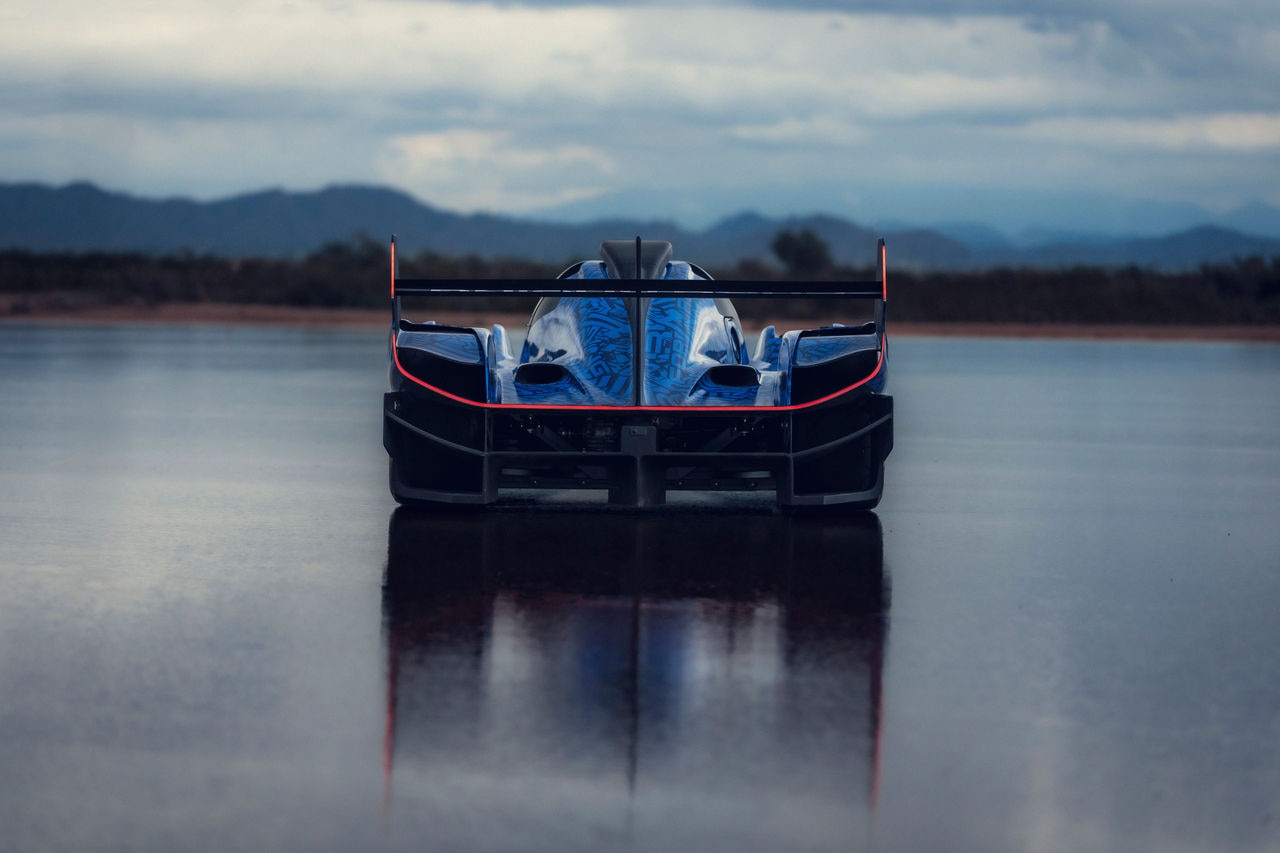
This is a significant distinction: Ford is not homologating a road-going GT41 for racing. It is homologating a purpose-built LMDh prototype.
The name itself continues the GT40 connection. Whereas the original car’s name referred to its approximate 40-inch height, the GT41 takes its name from a measurement around 41 inches.
Ferrari 499P: A More Independent Engineering Route
Ferrari’s 499P follows the LMH rulebook, a route that offers manufacturers greater technical freedom.
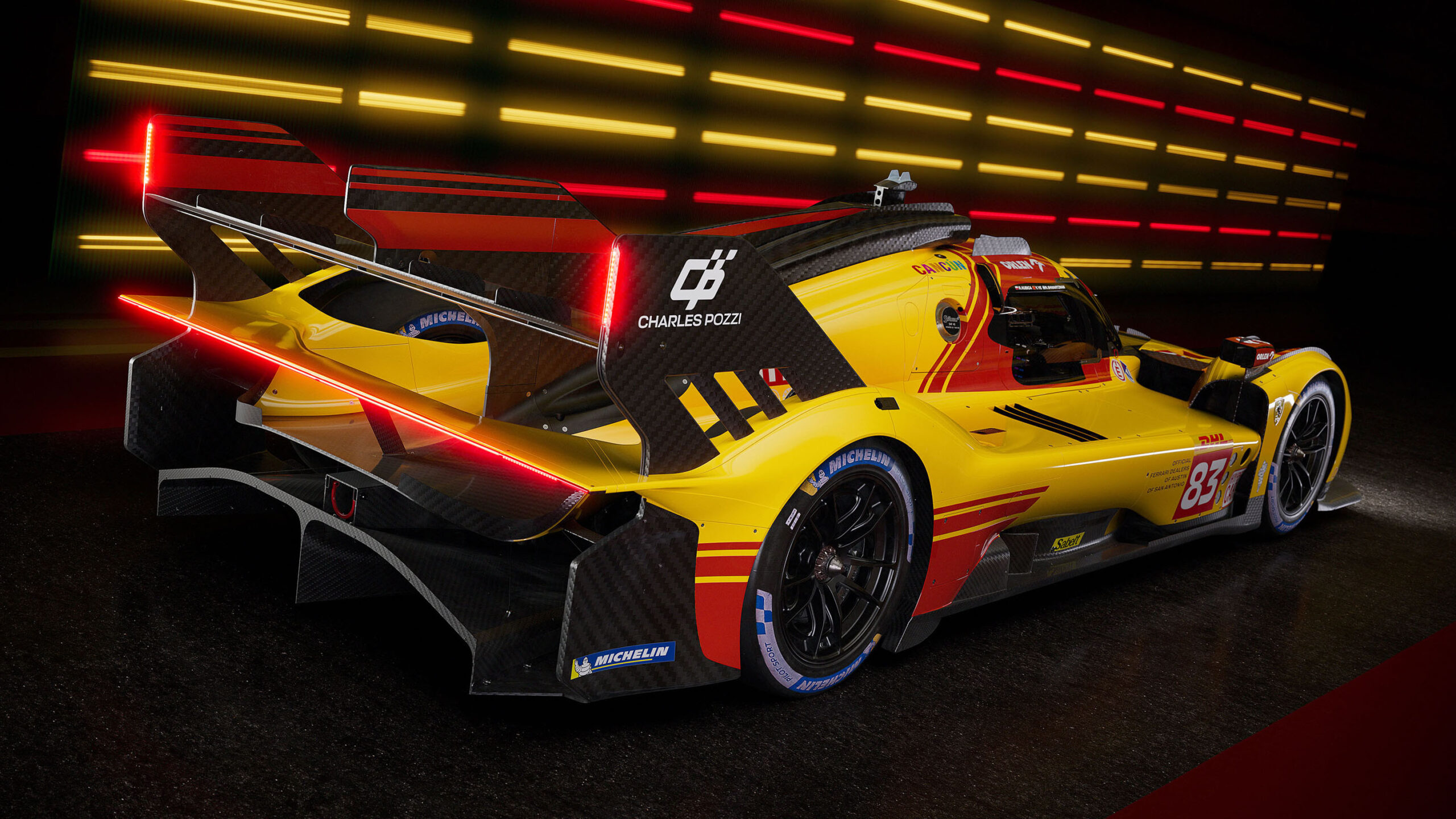
Where Ford must work within an approved LMDh chassis and standardised hybrid architecture, Ferrari developed the 499P around its own chassis and powertrain concept. Its hybrid system is integrated into a design that reflects Ferrari’s own engineering decisions, rather than the shared architecture required by LMDh.
This does not mean the 499P is free from regulation. Both LMH and LMDh cars must meet strict homologation requirements, including safety, dimensions, aerodynamic performance and power limits. The two technical frameworks are brought together in the same Hypercar class, with Balance of Performance helping to manage differences in their underlying designs.
The Ferrari approach is more manufacturer-led, but that freedom comes with a greater development burden.
The 499P has already demonstrated the value of its route, winning the 24 Hours of Le Mans in 2023, 2024 and 2025. Its success has made it a benchmark for Ford’s return, although the GT41 will arrive with a different technical foundation.
The comparison is not simply Ford versus Ferrari. It is shared architecture versus greater in-house design freedom.
Genesis Magma GT3: Homologation Begins With a Concept
Genesis introduces a third dimension to the discussion.
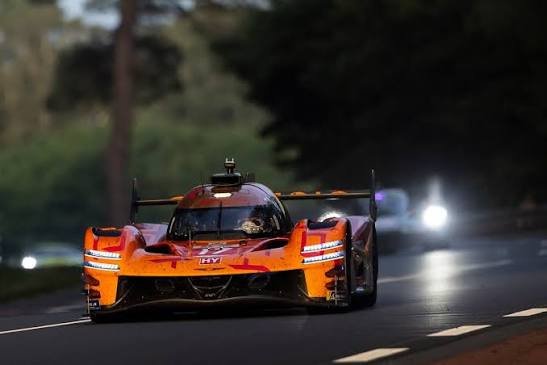
The Magma GT3 Concept, unveiled at Le Mans in June 2026, is not the same car as the Genesis GMR-001 Hypercar already competing in the FIA WEC under LMDh regulations.
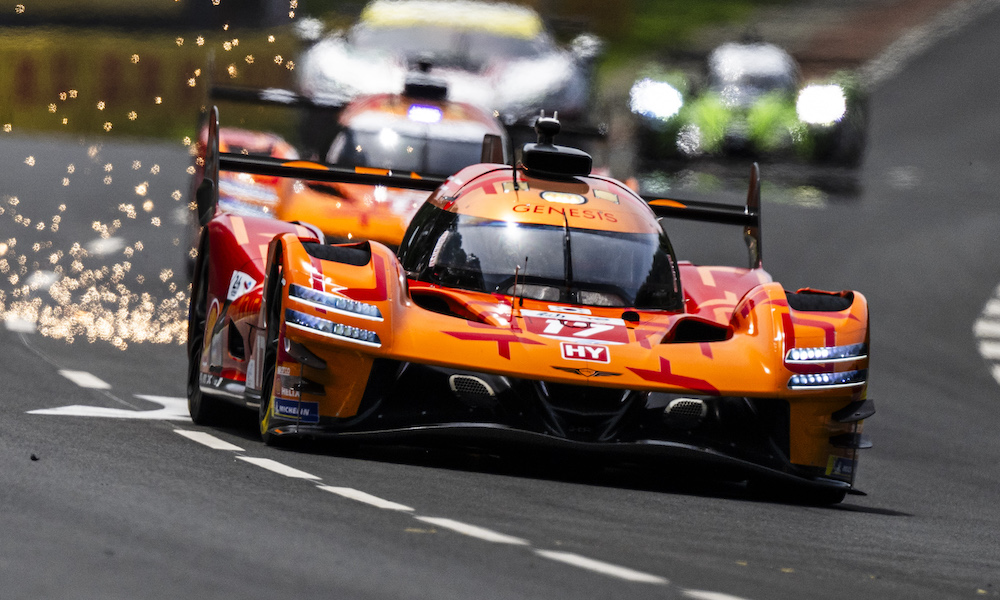
The GMR-001 is a purpose-built LMDh prototype, developed with Oreca and Hyundai Motorsport. Its homologation pathway is therefore closer to Ford’s GT41 than to Ferrari’s 499P.
The Magma GT3 Concept, however, is a separate exploration of the GT3 category.
Genesis has described the concept as a performance-first design study, developed in alignment with GT3 technical regulations rather than derived directly from an existing production model. Its wide tracks, prominent splitter, cooling ducts, rear wing and diffuser demonstrate how the brand is considering a racing architecture shaped by competition requirements.
But the concept should not be confused with a fully homologated race car.
Genesis has presented it as a possible future direction for its motorsport programme. Its final architecture, components and development pathway remain subject to further definition. In other words, the concept demonstrates intent; it does not, by itself, confirm a completed homologation or a race entry.
That distinction is particularly important because GT3 homologation is tied to a different regulatory philosophy from Hypercar. GT3 is built around production-based performance cars and manufacturer-defined models, with homologation rules intended to maintain a relationship with the cars represented in the category.
Genesis is exploring how its future Magma road-car identity could connect with that racing environment.
Three Programmes, Three Different Questions
The GT41, 499P and Magma GT3 Concept are often grouped together because they represent manufacturers entering or expanding their presence in endurance racing. Their technical purposes, however, are different.
Ford’s question is: How can we return to the top class quickly, competitively and with a recognisably Ford powertrain?
Ferrari’s question has been: How far can our own engineering architecture take us within the LMH framework?
Genesis is asking: How can a new performance identity move from concept design into a credible road-and-racing portfolio?
The GT41’s LMDh route gives Ford a controlled platform and a shorter path to competition, while still allowing its V8 and bodywork to carry the brand’s signature. Ferrari’s LMH route provides more independence, but demands a more extensive manufacturer-developed package. Genesis’s Magma GT3 study is not yet a direct homologation rival to either car; it is an early look at how the brand might enter another racing category.
The Homologation Cycle: Stability, Not a Blank Cheque
The FIA and ACO have extended the Hypercar homologation cycle through the end of the 2032 season. That decision provides manufacturers with a longer period in which to develop and refine their existing platforms rather than constantly starting again.
For Ford, this creates a long-term opportunity to build a competitive programme around the GT41. For Ferrari, it protects the value of the 499P’s existing architecture. For Genesis, it offers a stable environment in which its Hypercar and potential GT3 projects can develop.
Homologation is not a promise of immediate success, nor does it mean a car can be changed without restriction. Once approved, a car’s technical definition becomes the foundation for its competitive life. Significant changes must follow the permitted processes, with evolution opportunities controlled by the regulations.
The next few seasons will therefore be about more than headline power figures or the first appearance of a new car. They will be about how effectively each manufacturer works within the limits of its chosen rulebook.
A Different Kind of Le Mans Rivalry
Ford’s return inevitably recalls the historic rivalry with Ferrari, but the modern contest is more complex than a repeat of the 1960s.
The GT41 is an LMDh car. The 499P is an LMH. Genesis’s GMR-001 is also LMDh, while the Magma GT3 Concept is a separate, developing project.
All three manufacturers are using homologation to establish a competitive identity, but they are not following the same route.
For Ford, the GT41 is a return built on a balance of shared technology and in-house character. For Ferrari, the 499P remains an expression of independent engineering. For Genesis, Magma is still a broader ambition — one that may eventually connect a road-going performance car with a dedicated racing programme.
The real story is not which manufacturer has the most freedom on paper. It is which one can turn its homologated design into a reliable, adaptable and ultimately winning endurance machine.
At Le Mans, the rulebook provides the starting point. The race still decides what comes next.
—
Sources and further reading
– Ford Racing — “Ford GT41 official unveiling” (https://www.fordracing.com/hypercar/press-release)
– 24 Hours of Le Mans — “Ford’s 30-hour Hypercar test and homologation progress” (https://www.24h-lemans.com/en/news/what-did-ford-learn-from-the-30-hour-hypercar-test-at-motorland-aragon-61202)
– FIA — “Hypercar homologation cycle extended through 2032” (https://www.fia.com/news/wec-hypercars-winning-formula-extended)
– Genesis — “Magma GT3 Concept and future motorsport vision” (https://newsroom.genesis.com/genesis-unveils-magma-gt3-concept-and-outlines-next-decade-vision-at-24-hours-of-le-mans-debut/)
– Genesis — “GMR-001 Hypercar reveal” (https://newsroom.genesis.com/genesis-magma-racing-reveals-gmr-001-hypercar-for-2026-fia-wec-season/)