The Prince de Conty: The 280-Year-Old Shipwreck, Its Missing Gold and the Investigation That Crossed the Atlantic
Nearly three centuries after a French trading vessel disappeared beneath the waters off Brittany, its cargo of Chinese gold has resurfaced in an international criminal investigation. What began with the discovery of an 18th-century wreck has developed into a story of underwater salvage, missing treasure, online auctions and five defendants preparing to face a French court.
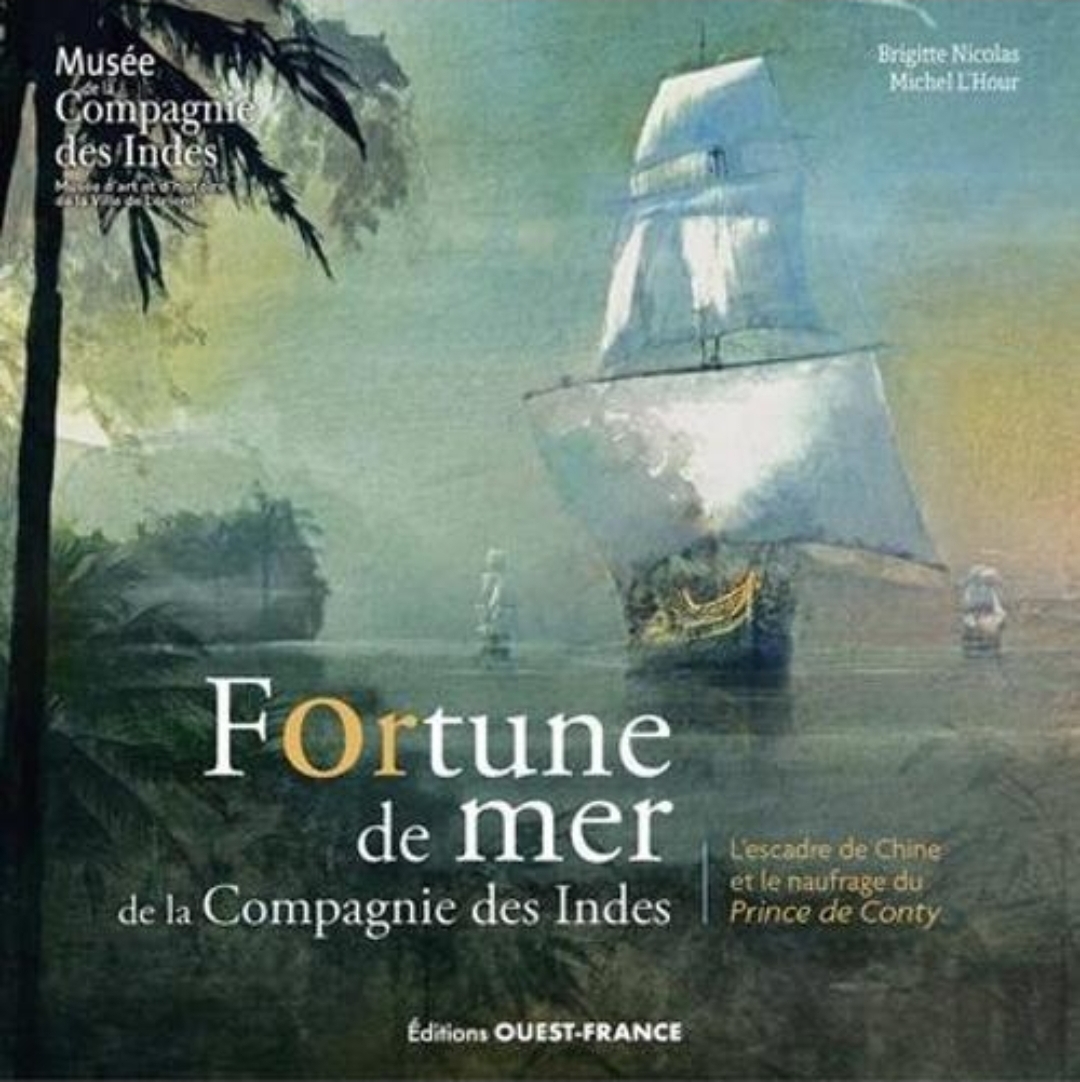
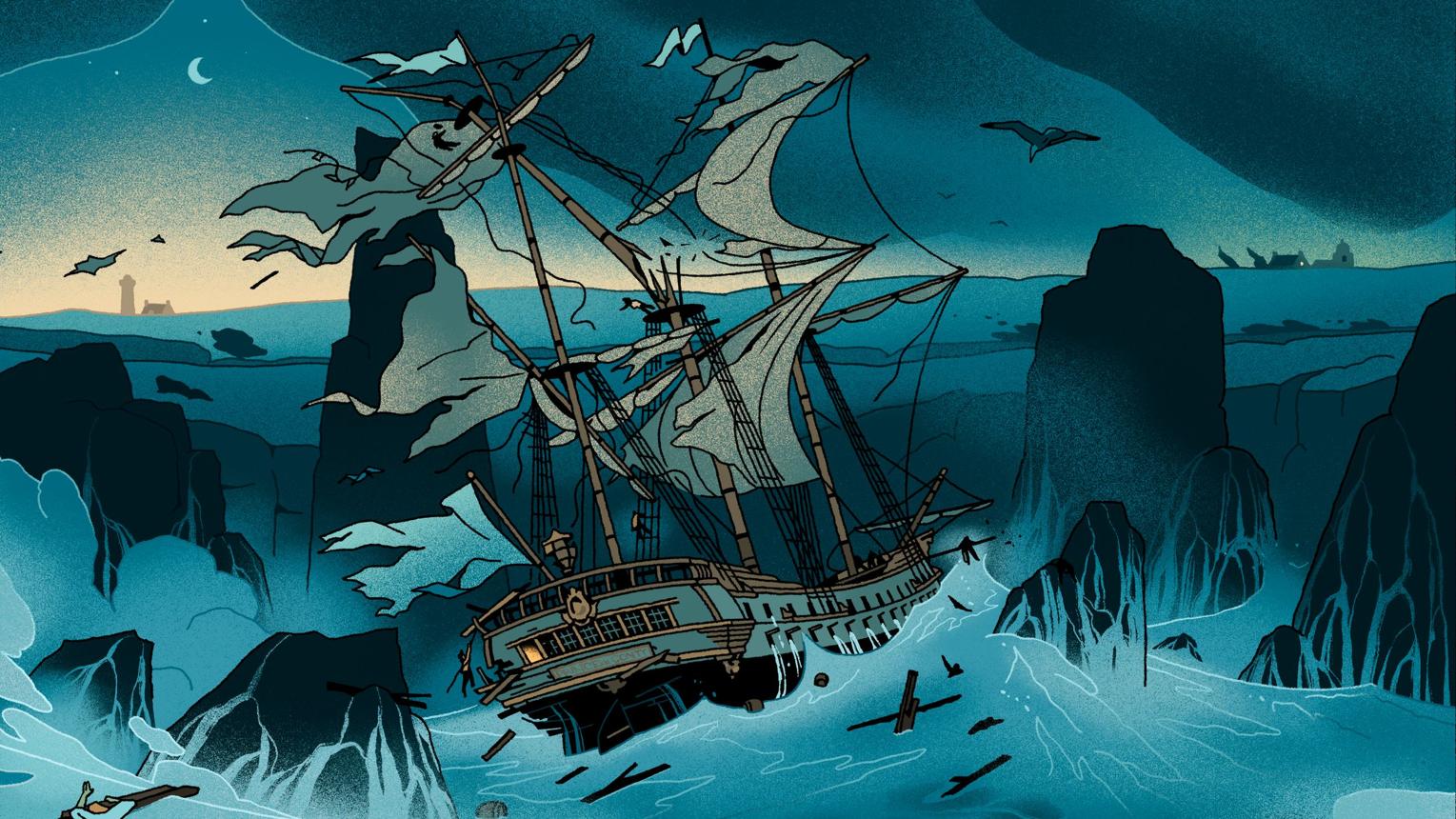
On the night of December 3, 1746, a French trading vessel returning from China met its fate off the coast of Brittany. The ship, known as the Prince de Conty, was caught in difficult weather, with a combination of storm conditions and heavy fog contributing to its destruction near Belle-Île-en-Mer.
It was a disaster that would consign more than a vessel to the Atlantic. With it went a valuable cargo representing the ambitions of one of Europe’s most important commercial trading operations of the period.
The Prince de Conty belonged to the French East India Company, an enterprise established to facilitate trade between France and Asia. Its journey home carried an assortment of goods that were highly sought after in European markets: Chinese porcelain, tea, silk and gold.
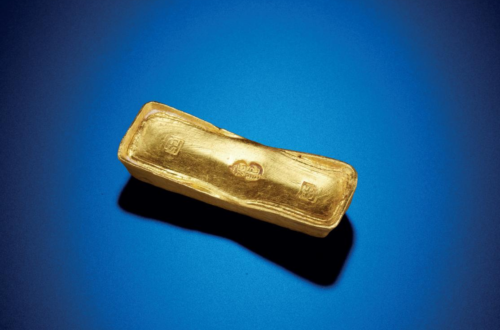
Among its cargo were Chinese gold ingots, objects whose value extended beyond their weight in precious metal. They represented the commercial relationships, wealth and international ambitions of an era when European powers competed for access to Asian markets.
The sinking was catastrophic. Historical accounts cited by CBS News report that of the 229 men aboard, only 45 survived.
For generations, the vessel and its cargo remained beneath the waters off Brittany. The sea had effectively concealed a commercial time capsule, leaving behind a story that would not fully resurface until more than two centuries later.
A discovery beneath the waters of Brittany
In 1974, divers rediscovered the wreck of the Prince de Conty, lying approximately 10 to 15 metres below the surface near Belle-Île-en-Mer.
The discovery attracted considerable interest, particularly because of the historical significance of the vessel and the possibility that valuable cargo remained among its scattered remains.
But the discovery of a historic shipwreck also presents a difficult challenge. There is a difference between archaeological exploration, authorised recovery and the unauthorised removal of historical objects.
In this instance, the wreck would become the subject of an earlier criminal case.
Following the discovery of a gold ingot during a survey, the site was looted in 1975. The removal of objects from the wreck eventually led to legal proceedings, and in November 1983, five individuals were convicted in connection with the plundering and handling of material from the vessel.
The full extent of the missing cargo, however, remained unclear.
Archaeological investigations subsequently recovered fragments of Chinese porcelain, evidence of tea crates and three Chinese gold bars. Yet the wreck’s circumstances were about to change again.
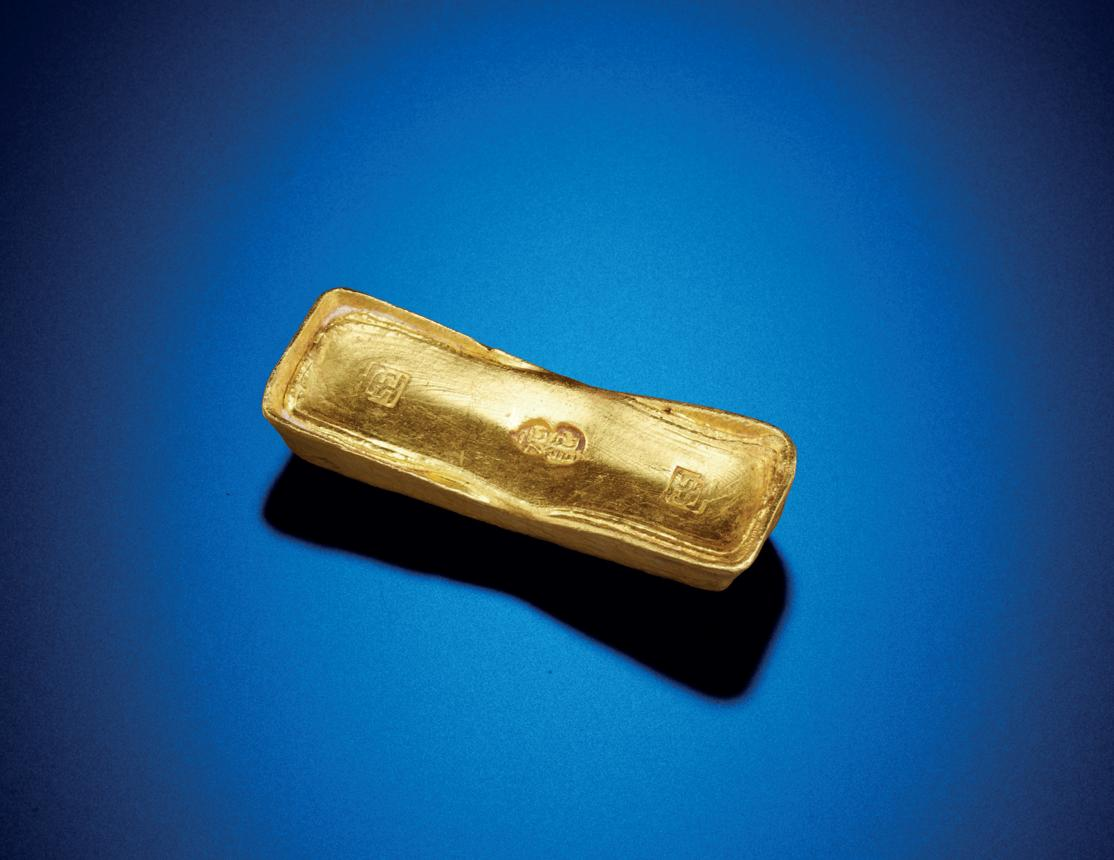
In 1985, a violent storm scattered the remains of the ship, bringing official excavation work to an end.
The Prince de Conty had already lost much of its original cargo, but the story of its gold was far from over.
The gold begins to resurface
The investigation that would eventually bring an American couple into the French judicial system did not begin with a dramatic discovery at sea. Instead, it began with an online sale.
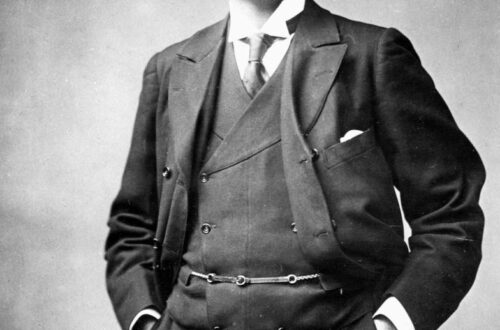
In February 2018, Michel L’Hour, then director of France’s Department of Underwater Archaeological Research, known as DRASSM, noticed five gold bars being advertised through an American auction website.
The bars carried Chinese inscriptions and raised suspicions that they might have originated from the Prince de Conty.
L’Hour alerted the authorities, prompting an investigation involving American law enforcement.
In January 2018, US Homeland Security Investigations seized the five bars in San Francisco. Their estimated value was approximately $231,000.
The discovery was significant because it provided investigators with a tangible starting point. Rather than simply attempting to reconstruct what had disappeared from the seabed, authorities now had identifiable objects being offered for sale thousands of miles away from the original wreck.
The five bars were eventually returned to France in June 2022.
But investigators were interested in more than the identity of the seller. They wanted to understand where the gold had come from, who had recovered it and how it had travelled from the wreck to the American market.
That investigation would lead them back to Brittany.