Scuderia Ferrari: A Team Divided by Its Own Ambitions?
All right, let’s look at the FIA’s interview with Lewis Hamilton following the Mexican Grand Prix.
Team Principal Frédéric Vasseur stated that he would be holding a meeting with both drivers to discuss what had happened and address what he described as a lack of respect towards Scuderia Ferrari, particularly following the level of sportsmanship displayed during the race by Charles Leclerc, car number 16.
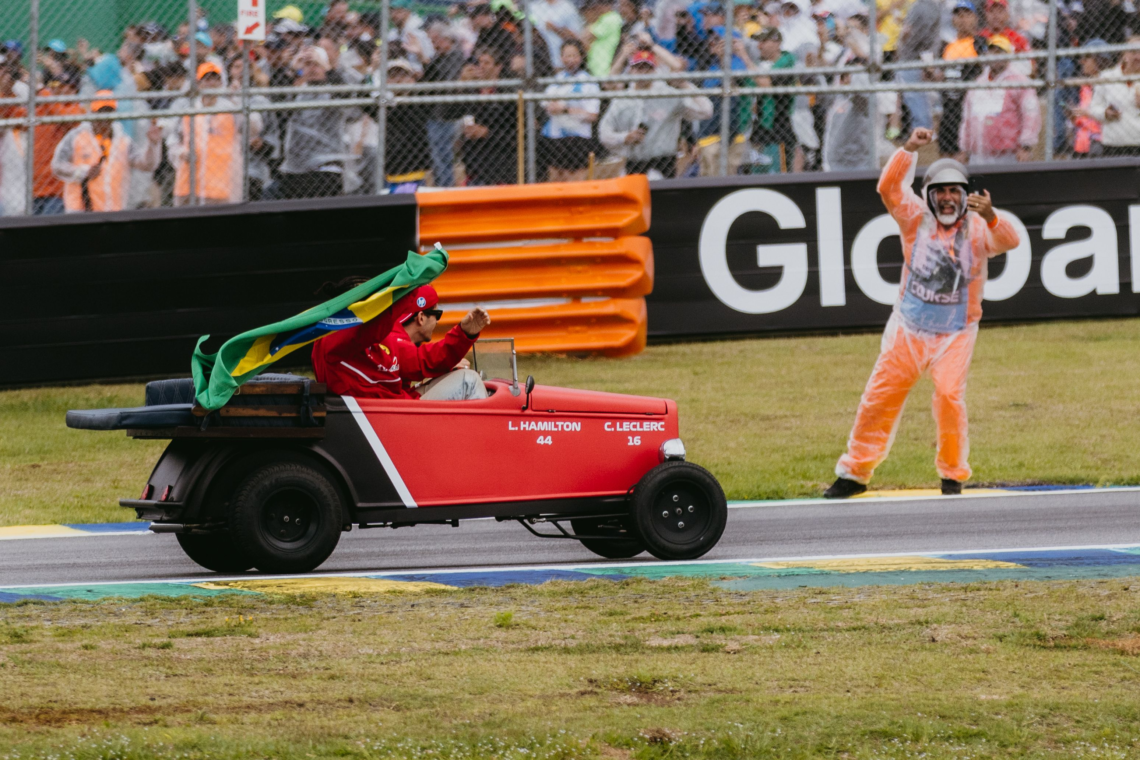
According to La Gazzetta dello Sport, John Elkann was deeply frustrated by the events during the race and what had transpired between Hamilton and Leclerc over team radio. Hamilton reportedly accused Leclerc of having a “do-or-die” mentality, while Leclerc brushed off the incident as hard racing.
Today, following the latest interviews, Hamilton, driver number 44, has indicated that despite the earlier statements about discussions involving both drivers, those conversations have yet to take place.
Another race weekend has arrived without clear instructions or an apparent resolution. Noticeably frustrated, the seven-time World Champion went on to explain that not only had there been no conversation, but there had also been no discussions regarding rules of engagement, driver safety, plans to move forward or anything of that nature.
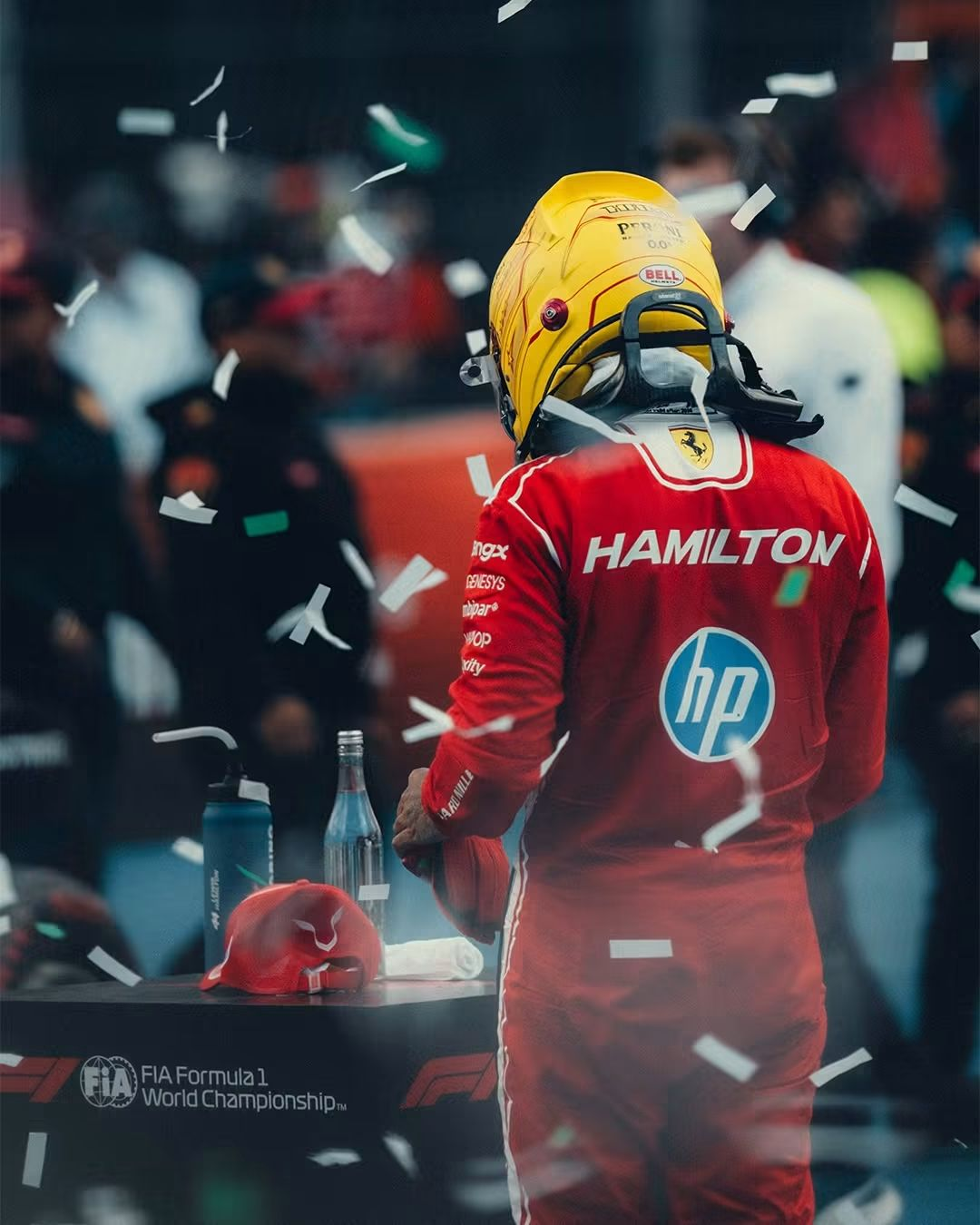
Instead of coming together as a team, Scuderia Ferrari appears to have moved in the opposite direction. Charles Leclerc, presumably prioritising time with his family, has returned home; Vasseur remains in Maranello, while Hamilton has gone elsewhere.
Scuderia Ferrari proudly carries the reputation of being the most successful team in Formula 1 history. However, the decisions made thus far leave a great deal to be desired. Claims of fostering communication and unity mean very little if the actions taken only serve to deepen and widen the rift between Ferrari and the very legacy of success it continues to celebrate.
The 2025 season was riddled with problems for Hamilton following his move to Scuderia Ferrari. While he encountered one mechanical problem after another, including brake-related issues during the season, Leclerc, by comparison, looked increasingly like a championship contender. He consistently delivered stronger results, scoring higher and securing better qualifying positions.
However, the 2026 regulations introduced an entirely new equaliser in the form of the revised hybrid power-unit architecture and its 50/50 power split between electrical and combustion power. Hamilton’s resurgence, following the difficulties of 2025, initially suggested that Ferrari had finally turned a corner.
Yet, following ADUO developments and millions invested in further development, Ferrari appears to have widened rather than closed its performance deficit to Mercedes. What was previously estimated at approximately 5 bhp has, according to current speculation and technical assessments, grown to a staggering 20 bhp.
The internal structural problems that became apparent in 2025 are now arguably more visible than ever.
There is also growing speculation surrounding Leclerc’s renewed contract. Could a clause have been introduced granting him greater freedom to race as he sees fit, potentially limiting the team’s ability to enforce certain instructions on track? At present, there is no publicly available contractual documentation establishing that such an arrangement exists. Nevertheless, the question deserves consideration in light of the incidents witnessed this season.
Efforts to create a unified garage, once described as something the team was actively working towards, now appear to have gone quiet. Meanwhile, Ferrari’s newest addition has, by all appearances, been left to weather the storm largely on his own.
If this is the current situation within the Scuderia garage today, what might it look like tomorrow? Should we expect similar divisions to emerge within its engineering departments, development programmes, crew operations and strategic decision-making?
For the first time in a considerable period, Scuderia Ferrari looks genuinely competitive. Second in the Constructors’ Championship, with two drivers who have, at various points, been contending for strong positions in the Drivers’ Championship, Ferrari finds itself in a rather impressive position, particularly when considering the difficulties of the years following the departures of Jean Todt and Michael Schumacher.
Formula 1’s most talked-about team today is not Mercedes. It is Scuderia Ferrari.
Last year, the advice was simple: talk less and drive more. Hamilton was asked to deliver, and he did. However, it appears that considerably more is needed for this recipe to produce championship success.
I have openly acknowledged that Leclerc can be faster on certain circuits, through particular sectors and in specific situations. There are moments when he can move from yellow to purple on the timing screens, and I stand by that assessment. However, a handful of sectors and a few favourable circuits are not enough to establish who is consistently the fastest driver.
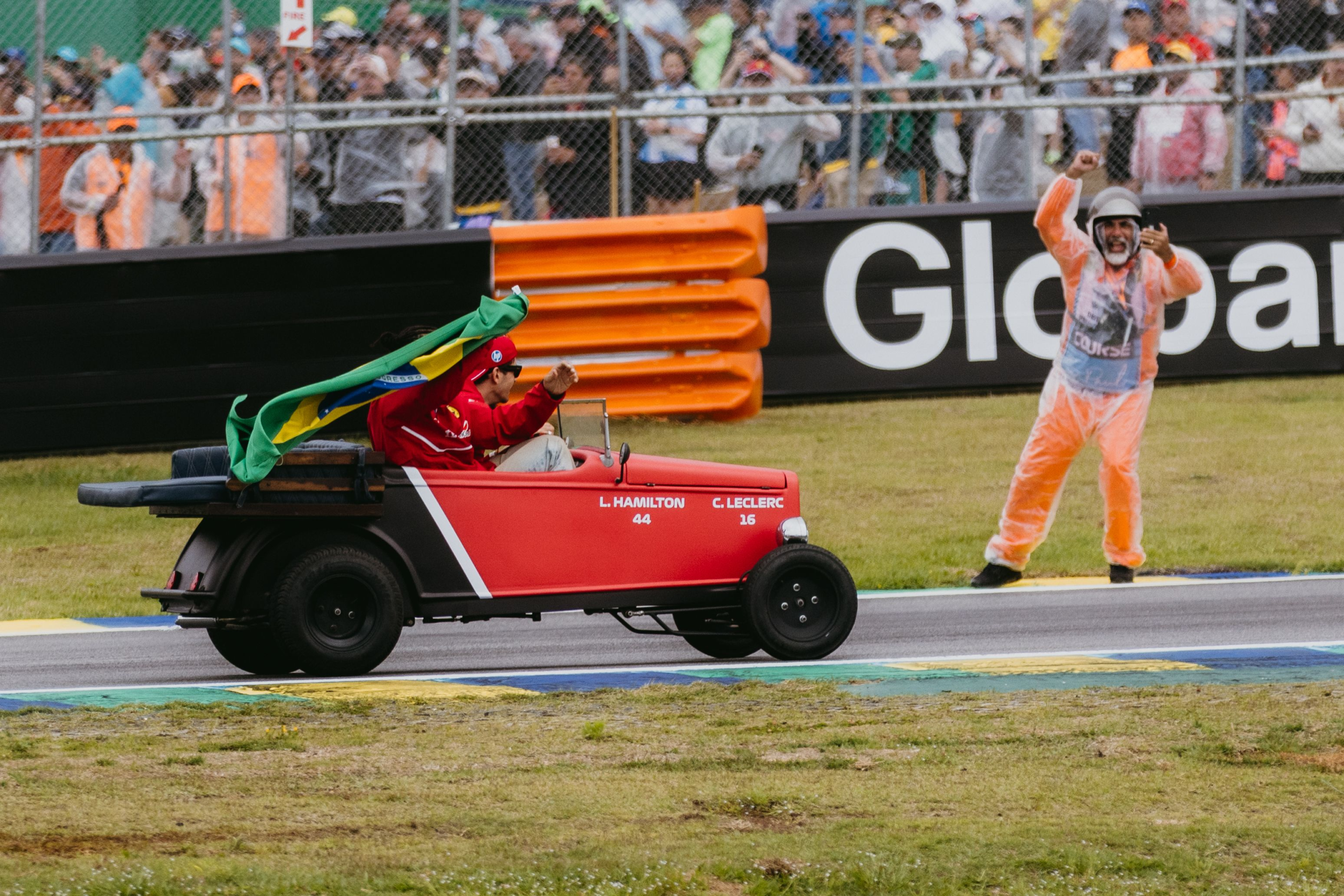
Kimi Antonelli has is the quickest men on the grid,regardless of the track, while within Scuderia Ferrari, Hamilton has demonstrated that he remains a formidable competitor.
But none of this means very much without the right management.
The 2026 season may deliver many enjoyable and unforgettable moments for the sport. However, at this rate, Ferrari risks losing its place among the top three competitive forces, despite the potential its current driver lineup and technical package initially promised.
Mercedes is attempting to recreate the magic of Hamilton through its young prospect, Antonelli. Red Bull’s engineering strength and leadership structure make it an exceptionally strong contender under the revised 2026 regulations. Meanwhile, McLaren’s Lando Norris remains just as ambitious as ever, having already experienced what it takes to fight for and secure a World Championship.
Driver cohesion, engineering excellence and strategic execution create a combined advantage that is considerably greater than the sum of their individual contributions. That advantage can become an enormous deficit for teams that fail to demonstrate the same level of integration and engineering prowess.
Ferrari has the drivers. It has the history. It has the resources and, increasingly, the pace.
What remains to be seen is whether it has the management capable of bringing all those elements together.
Because winning races requires more than two exceptionally talented drivers. Winning championships requires an entire team moving in the same direction.