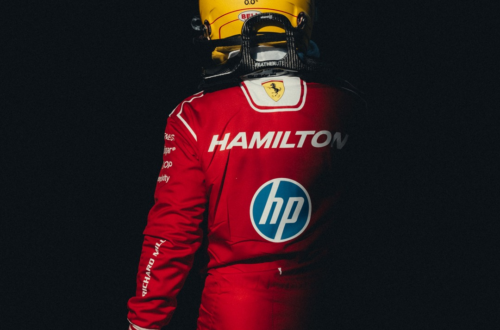
Monaco — The 2026 Formula 1 season is rapidly rewriting the grid’s hierarchy, and the upcoming battle on the streets of Monte Carlo is shaping up to be a tactical chess match. Fresh off a breakthrough weekend in Montreal that saw him out-qualify his teammate and claim a stellar P2, Lewis Hamilton enters the principality with a renewed sense of purpose. Yet, as the paddock settles into the French Riviera, contrasting fortunes and sudden regulatory shifts by the FIA are dominating the conversation. [1, 2, 3]
Hamilton’s Raw Setup Gamble Pays Off
Hamilton’s resurgence in Canada was defined by a bold, old-school gamble: skipping Ferrari’s simulator sessions to rely entirely on real-world track intuition. The payoff was immediate, and the seven-time champion is doubling down on those changes for Monaco. [1]

To conquer the tight street circuit, Hamilton is locking in a highly customized mechanical setup optimized for stability under heavy braking and sharp corner entry. The 2026 regulations characterized by reduced ground effects and more forgiving suspension have played directly into Hamilton’s hands. By tailoring the car to his signature late-braking style and aggressive steering inputs, he can attack Monaco’s blind apexes with a level of confidence he hasn’t felt in months. Furthermore, his focus will pivot away from aerodynamic efficiency, prioritizing manual management of the new Overtake Mode battery boost to maximize traction out of Monaco’s slow corners. [1]
Leclerc Stalls Against a Horsepower Deficit [1]
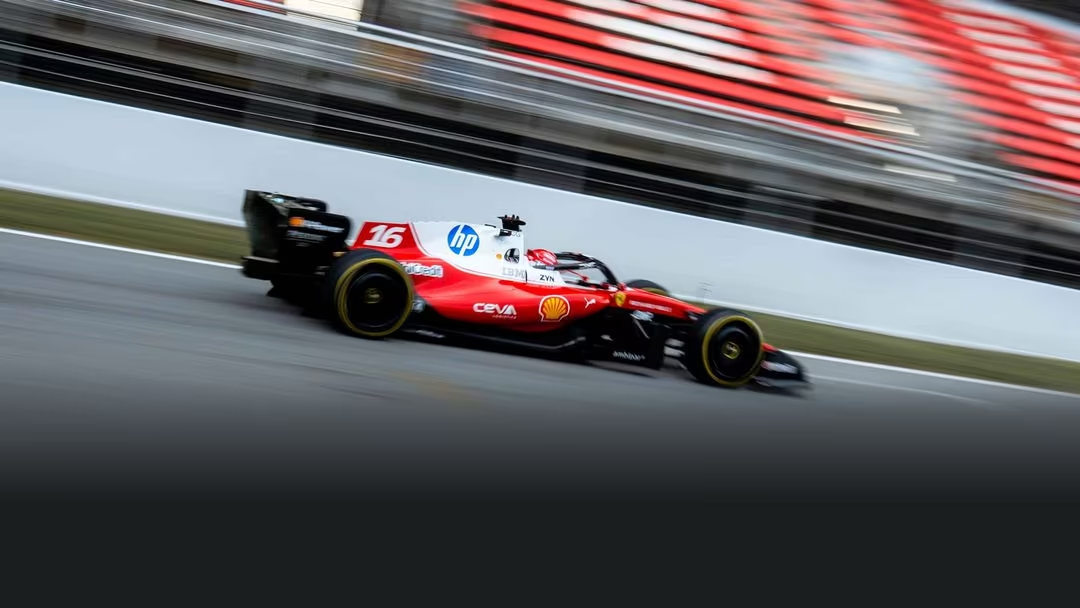
On the other side of the Scuderia garage, Charles Leclerc’s strong start to the season has hit a harsh reality check. While he sits a commendable third in the driver standings, keeping Ferrari second in the constructors’ fight, Montreal exposed a worrying vulnerability. [1, 2, 3]

Leclerc openly admitted to reporters that Ferrari’s brand-new hybrid power unit is currently down on horsepower compared to front-runners Mercedes and Red Bull-Ford. According to quotes aggregated on Threads by this.isformula1, the Monegasque driver has already urged his team to lobby the FIA for engine parity adjustments through the sport’s Additional Development and Upgrade Opportunities (ADUO) framework. As detailed by F1i News, Monaco’s twisty layout temporarily masks straight-line weaknesses, heavily favoring low-speed mechanical grip over pure engine muscle. A home-turf qualifying session offers him the perfect canvas to erase the Montreal deficit. [1, 2, 3, 4, 5]
The FIA Rewrites the Monaco Rulebook
Compounding the driver drama, the FIA has issued a sweep of track-specific rule changes for Monaco, prioritizing safety and tactical clarity over raw speed. [1, 2]
In a historic move, the governing body has completely banned the use of “Straight Mode” (Active Aero) for the weekend. Journalists at Crash.net confirmed that the closing-speed disparities created by moving wings on such a narrow track were deemed a safety hazard, meaning Monaco will effectively feature no active-wing overtaking assistance for the first time in fifteen years. Analysis from The Race highlights that while the electric Overtake Mode remains active deploying out of Anthony Noghes the FIA has heavily restricted electrical output to prevent dangerously high top speeds through the infamous tunnel. [1, 2, 3, 4]
Strategy rooms will also breathe a sigh of relief: PlanetF1 reports that the controversial mandatory two-stop race rule has been officially scrapped, restoring classic single-stop strategic tension. Finally, fans will get a bit more drama on Saturday, as the high-stakes Q3 qualifying shootout has been extended to 13 minutes