There are bespoke cars, and then there are cars created almost as if they were commissioned pieces of fine art.
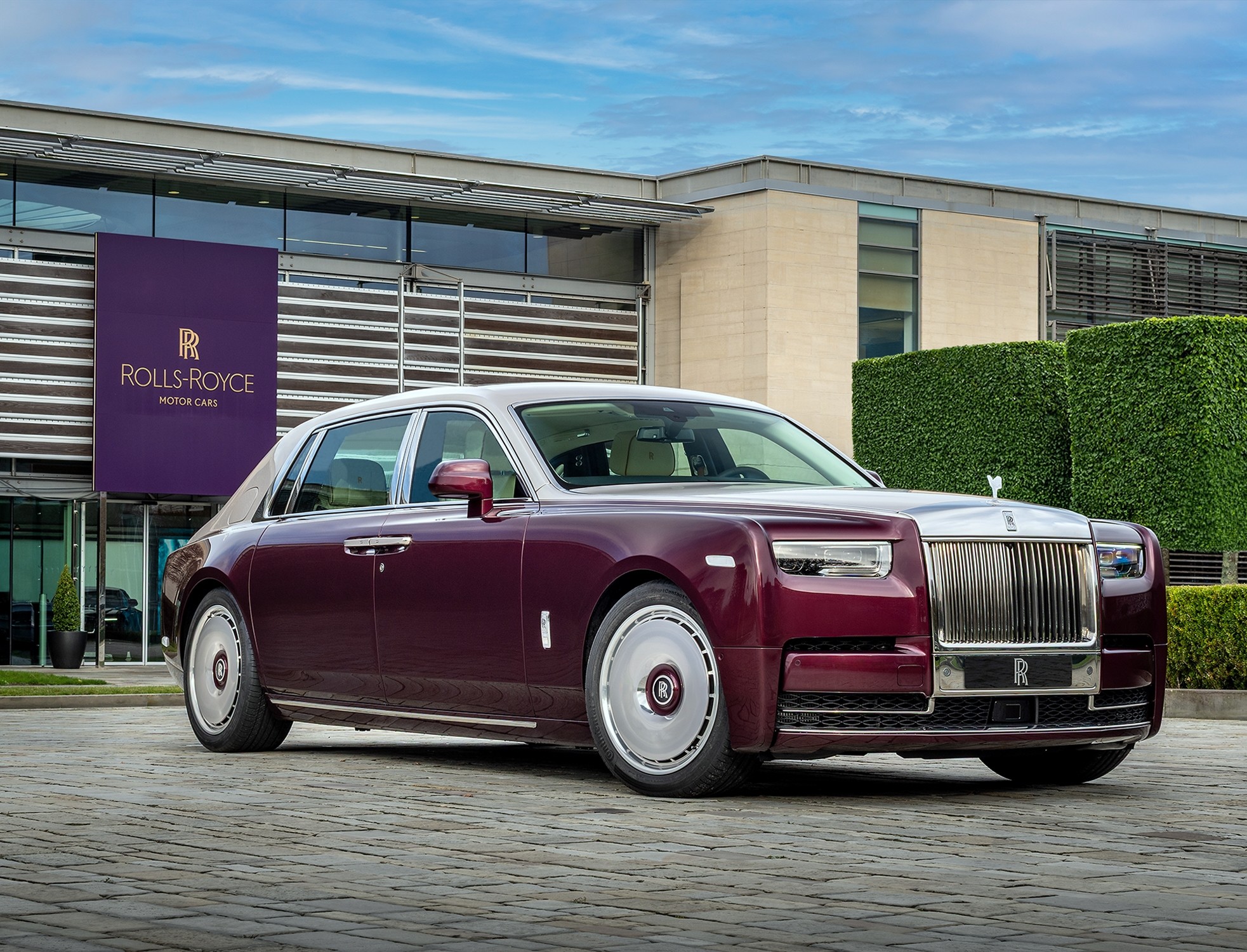
The latest Rolls-Royce Phantom belongs firmly in the latter category.
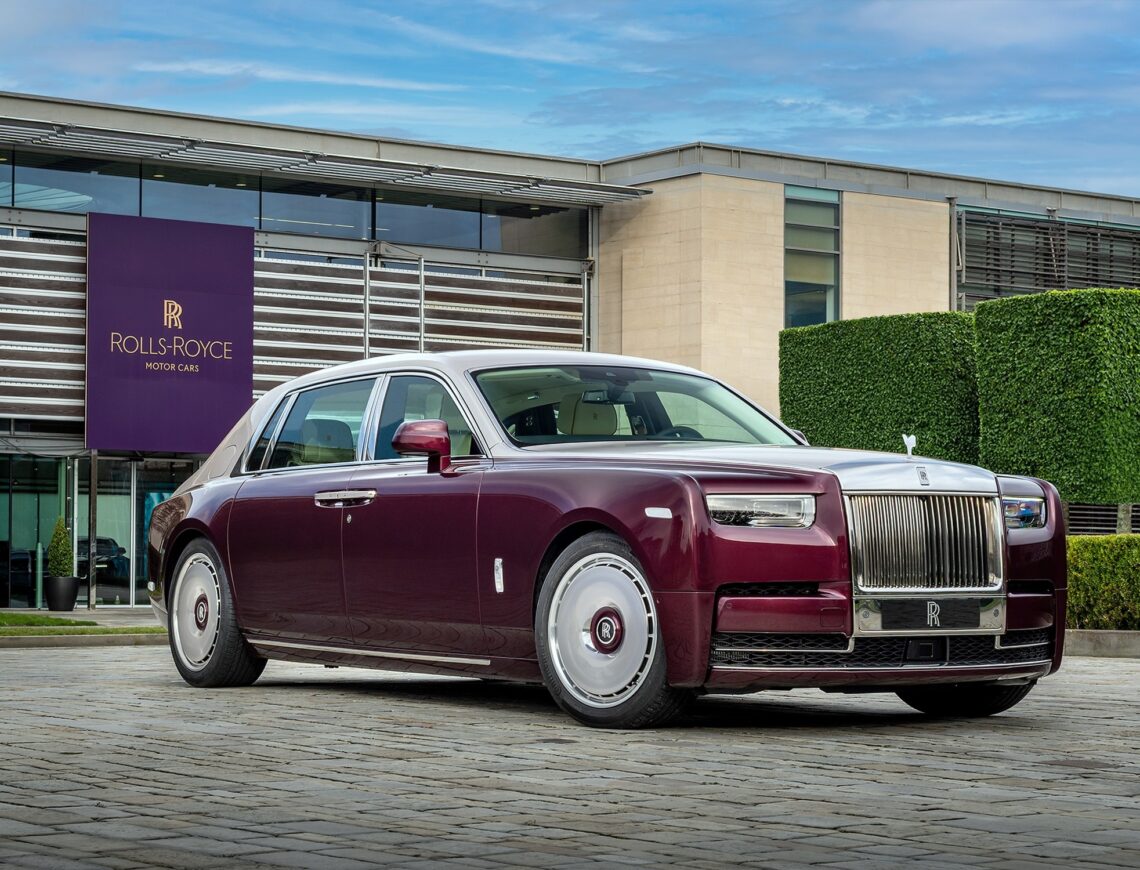
Rolls-Royce Motor Cars has unveiled the Phantom Hummingbird, a one-off Phantom Extended Private Commission created as a personal tribute from a client to his wife. Conceived through the marque’s Private Office Dubai, the commission takes inspiration from one of nature’s smallest and most visually remarkable creatures — the hummingbird.
But it isn’t simply the subject matter that makes this Phantom unusual.
For the first time in the history of Rolls-Royce, abalone shell has been incorporated into the marque’s marquetry.
A Hummingbird Made From Shell
The hummingbird was selected as the central inspiration for the commission, representing what Rolls-Royce describes as a symbol of joy, resilience and the ability to find beauty in every moment.
That symbolism becomes particularly appropriate when looking at the material chosen to reproduce its shimmering plumage.
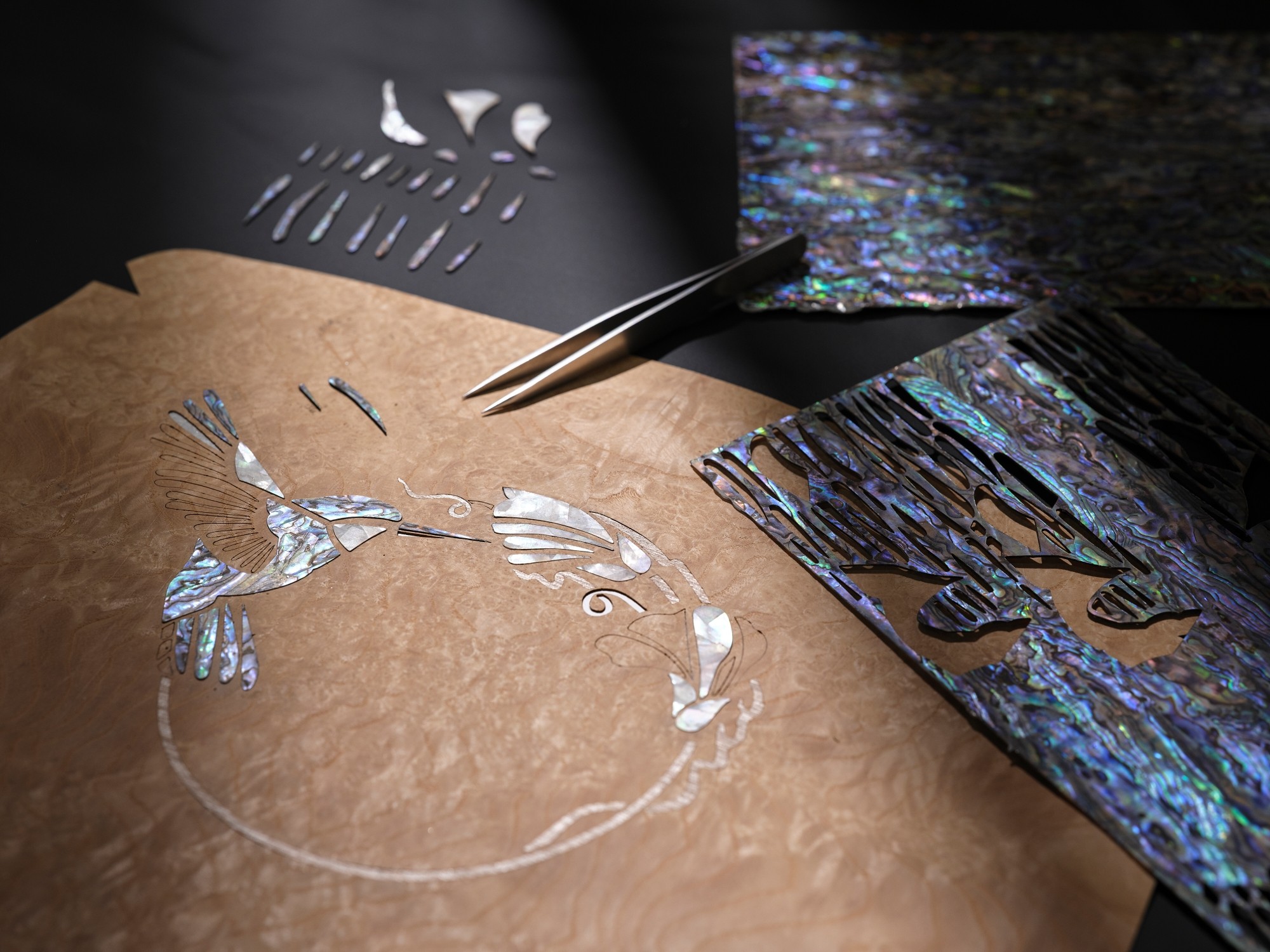
The interior combines abalone shell and mother-of-pearl, exploiting the naturally iridescent blue-green character of abalone. As light moves across the surface, the shell changes in appearance, creating an effect that recalls the way a hummingbird’s feathers can appear to shift colour depending on the viewing angle.
This isn’t decorative trim simply placed onto the Phantom. It is intricate marquetry, requiring individual pieces to be cut, shaped and fitted together with extraordinary precision.
Each of the rear Picnic Tables carries its own flying hummingbird, constructed from 53 individual pieces of abalone shell and mother-of-pearl.
Eighteen of those pieces form the wings alone.
Between the rear seats, the Phantom’s Waterfall panel carries a complementary botanical composition made from 84 individual pieces of the same materials.
Nine Months to Master the Material
The achievement is perhaps better understood by considering what Rolls-Royce had to learn before the finished pieces could be created.
Abalone is an exceptionally delicate material, and introducing it into automotive marquetry presented Rolls-Royce’s craftspeople with a technical problem as much as an artistic one.
The development process took more than nine months, with six different approaches explored before the team arrived at a technique capable of producing the required result.
The shell is laser-cut slightly larger than its intended final dimensions to account for the laser’s burn margin. Each individual piece is then carefully filed by hand until it reaches its final dimensions and can be fitted against its neighbouring piece without visible seams.
That human element becomes particularly important around the hummingbird’s wings, where the tiny components require a degree of precision that Rolls-Royce says can only be achieved by hand.
Once the individual pieces had been cut and fitted, the three marquetry panels required a further 45 hours of finishing work.
It is the sort of process that makes the finished result difficult to appreciate from a photograph alone.
What looks like a simple shimmer of colour is actually the result of hundreds of individual decisions made by craftspeople working at extremely small tolerances.
A Cabin Built Around Nature
The rest of the Phantom’s cabin was designed around the new marquetry rather than competing with it.
Ash Burr veneer provides the foundation for the three marquetry panels, while Silver Birch is incorporated into the Picnic Table compositions. Rolls-Royce selected the Silver Birch from a single log, examining its grain carefully so that it would complement the overall design.
The seats are finished in Creme Light leather, accompanied by Moccasin and Tan detailing. Seashell carpets sit beneath Rolls-Royce’s signature Starlight Headliner, creating an interior palette that continues the natural theme without overwhelming the shell work.
The result is intentionally restrained.
The abalone provides the movement.
The Hummingbird Takes Flight Outside
Rolls-Royce didn’t limit the motif to the cabin.
The Phantom Hummingbird is finished in a two-tone exterior combination, with Wildberry covering the lower body and White Sands above it.
A hand-applied White Sands Coachline separates the two colours, but it also becomes part of the story. Along its length, a hand-painted hummingbird appears to take flight across the car.
It is a small detail, but an important one.
The exterior and interior are not treated as separate design exercises. The hummingbird becomes the visual thread connecting the entire commission.
The Phantom as a Blank Canvas
The Phantom Hummingbird also illustrates what Rolls-Royce’s Bespoke programme has evolved into.
For many luxury manufacturers, personalisation can mean selecting paint, leather, wheels and trim from an extensive catalogue.
Rolls-Royce’s Private Commission work operates on a different premise.
Here, a client’s idea can become the starting point for developing something the company itself has never attempted before.
The Phantom Hummingbird is therefore significant not simply because it is a beautiful one-off, but because it represents a new material and technique introduced into Rolls-Royce’s repertoire.
Phil Fabre de la Grange, Head of Bespoke at Rolls-Royce Motor Cars, described the use of abalone as both a creative and technical challenge for the company’s designers and craftspeople.
And perhaps that is the most interesting part of this Phantom.
The client didn’t simply ask Rolls-Royce to make a hummingbird.
The commission effectively asked the marque to figure out how to make one that had never existed in its world before.
A One-Off in the Truest Sense
The Phantom Hummingbird is based on the Phantom Extended, and it remains a highly individual private commission rather than a production model.
Its creation through Private Office Dubai demonstrates just how far Rolls-Royce’s Bespoke operation can travel when the automobile becomes a canvas for personal storytelling.
There is no attempt here to make the Phantom louder, faster or more aggressive.
Instead, Rolls-Royce has taken one of the world’s most delicate natural subjects and translated it into wood, shell, leather and paint.
And perhaps that’s exactly why the Phantom Hummingbird works.
The car doesn’t simply display luxury.
It turns craftsmanship itself into the luxury.
For a marque whose greatest commissions are increasingly defined by the details hidden inside them, the Phantom Hummingbird may ultimately be remembered not for being the most extravagant Phantom, but for introducing something entirely new to the Rolls-Royce vocabulary: the iridescent beauty of abalone shell, transformed by human hands into a hummingbird in flight.