Formula 1’s next engine revolution is beginning to take shape, and it could fundamentally change the relationship between manufacturers and customer teams. New information emerging from the Las Vegas Grand Prix weekend suggests that power-unit manufacturers may be expected to supply no more than two teams each from 2030, including their own factory operation.
If adopted, the proposal would leave each manufacturer with just one customer-team allocation. It is a significant development for a championship that has traditionally relied on a handful of major manufacturers to supply engines across much of the grid.
According to reports from Autosport and Motorsport.com, the proposed restriction forms part of the wider 2030 power-unit framework. The intention is not simply to reduce the number of engines supplied, but also to limit the influence manufacturers can exert over teams that depend on them.
For some teams, however, the change could create an immediate problem: finding another engine supplier.
Mercedes could be forced to choose
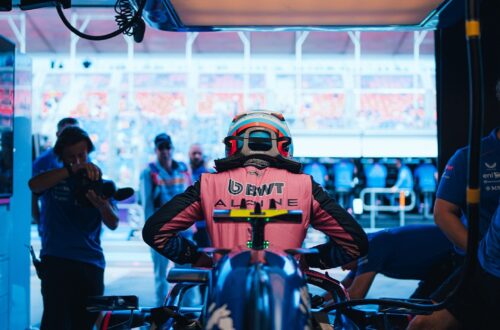
Mercedes is currently the manufacturer with the most complicated customer-supply arrangement. Its High Performance Powertrains division supplies four teams: Mercedes itself, McLaren, Williams and Alpine.
Under the proposed two-team limit, Mercedes would be able to retain its works team and just one customer.
That leaves three established teams competing for a single remaining allocation.
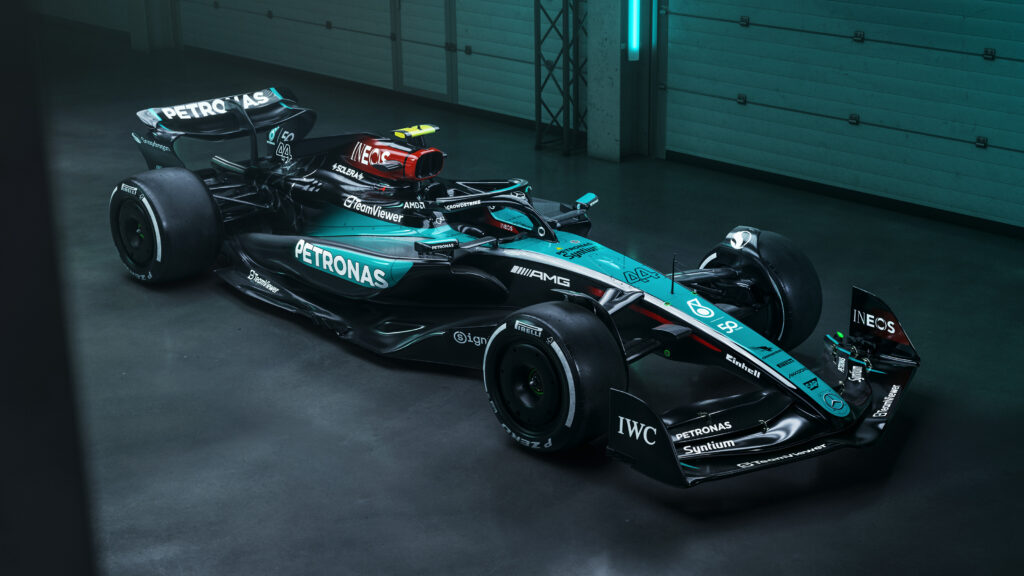
McLaren CEO Zak Brown has already indicated that his team wants to continue its relationship with Mercedes. The partnership has delivered championship success, and Brown has previously dismissed the prospect of McLaren developing its own power unit as an attractive alternative.
Williams also has a long-standing relationship with Mercedes, dating back to 2014. Alpine, meanwhile, became a Mercedes customer after Renault ended its own Formula 1 engine programme and sold its engine operation.
There is currently no confirmed decision about which customer Mercedes would retain.
The situation is different for Ferrari. It currently supplies its own works team, Haas and Cadillac, but Cadillac is expected to transition to General Motors power from 2030. Ferrari would therefore have its own team and Haas, fitting the proposed restriction.
Red Bull Powertrains already supplies Red Bull Racing and Racing Bulls, while Audi and Honda currently have their respective works-team arrangements. General Motors is preparing to supply Cadillac with its own engine.
That leaves Mercedes facing the most immediate supply question.
Which teams do not build their own engines?
The distinction between a works team and a customer team is becoming particularly important.
A works team is directly associated with the manufacturer developing its power unit. A customer team purchases or leases an engine from another organisation, even if it has considerable freedom in designing its own chassis.
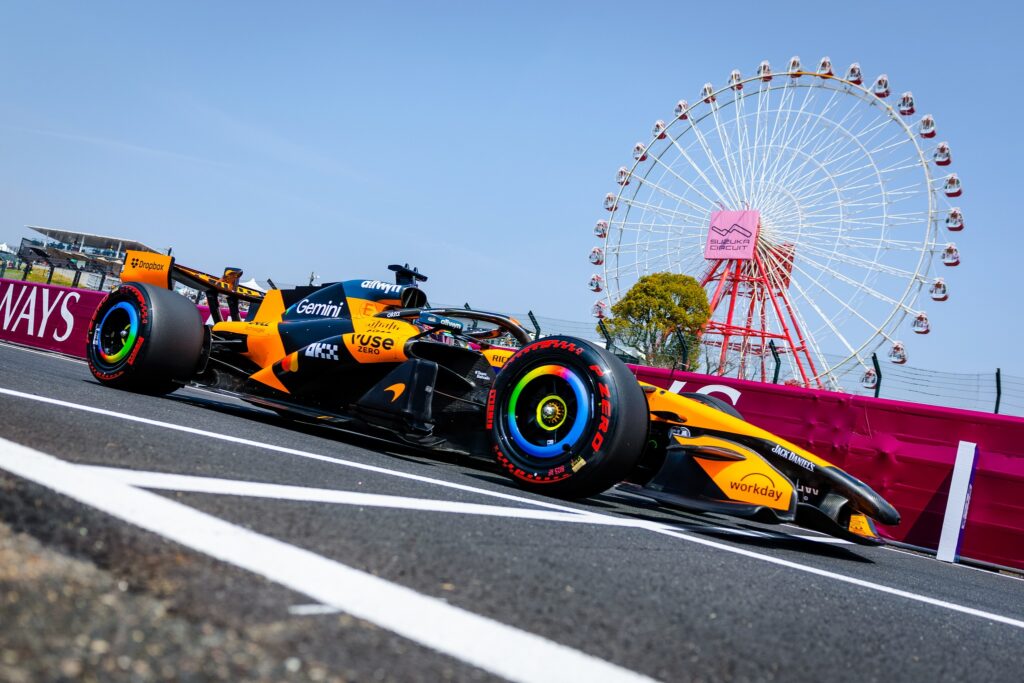
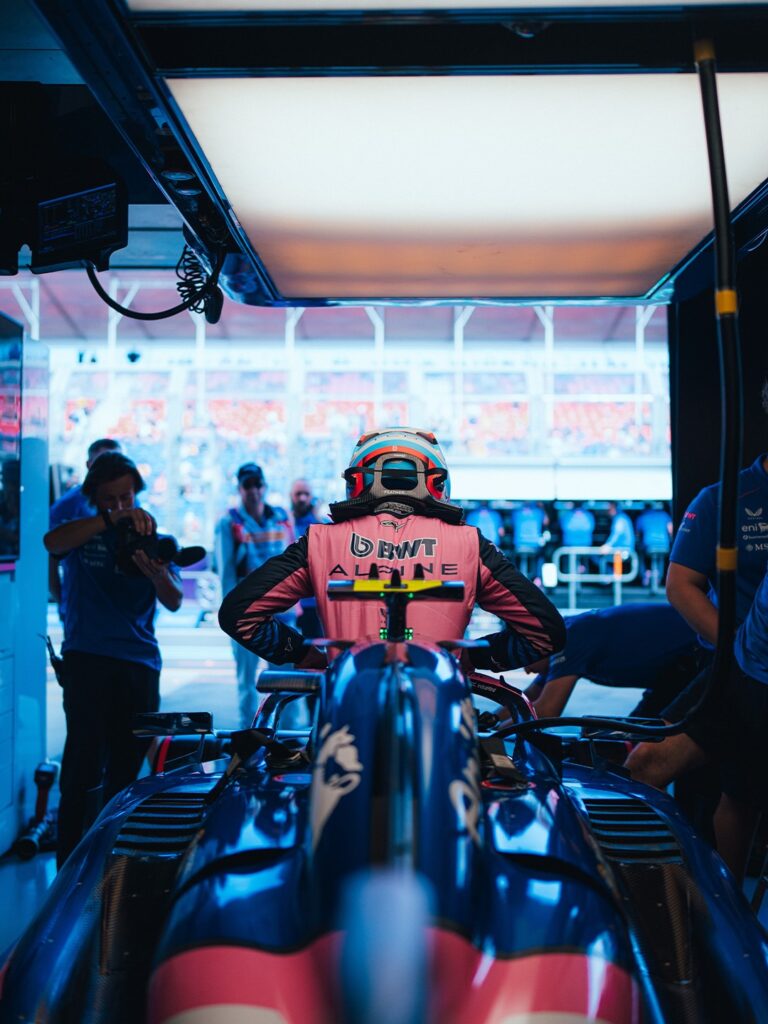
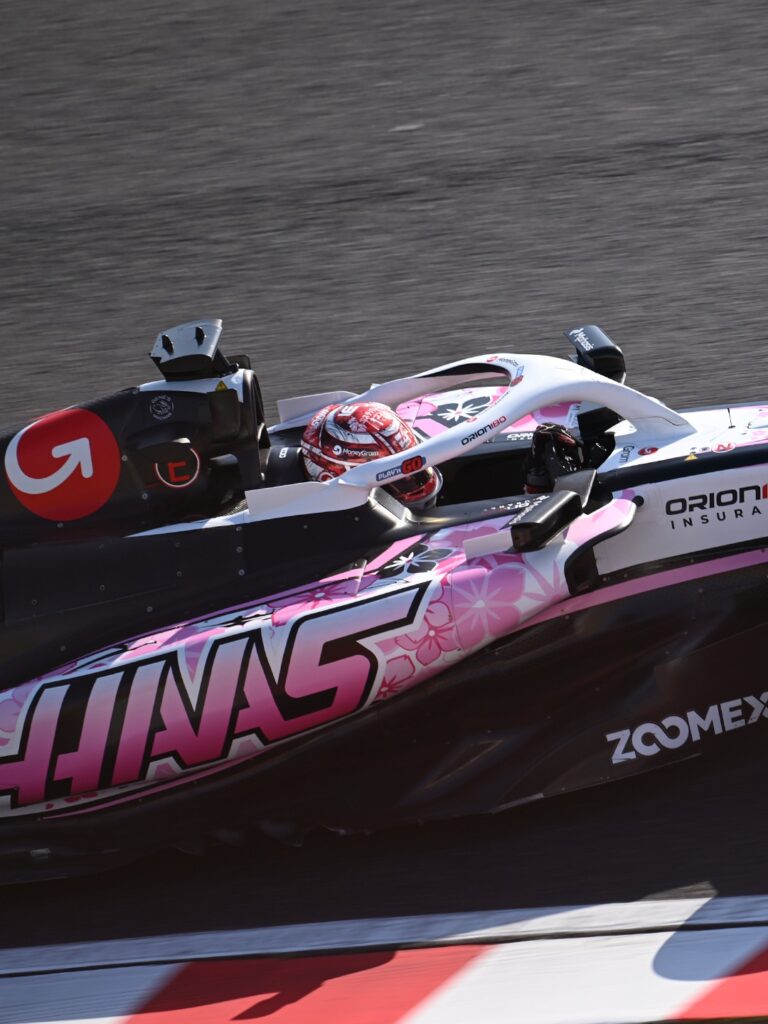
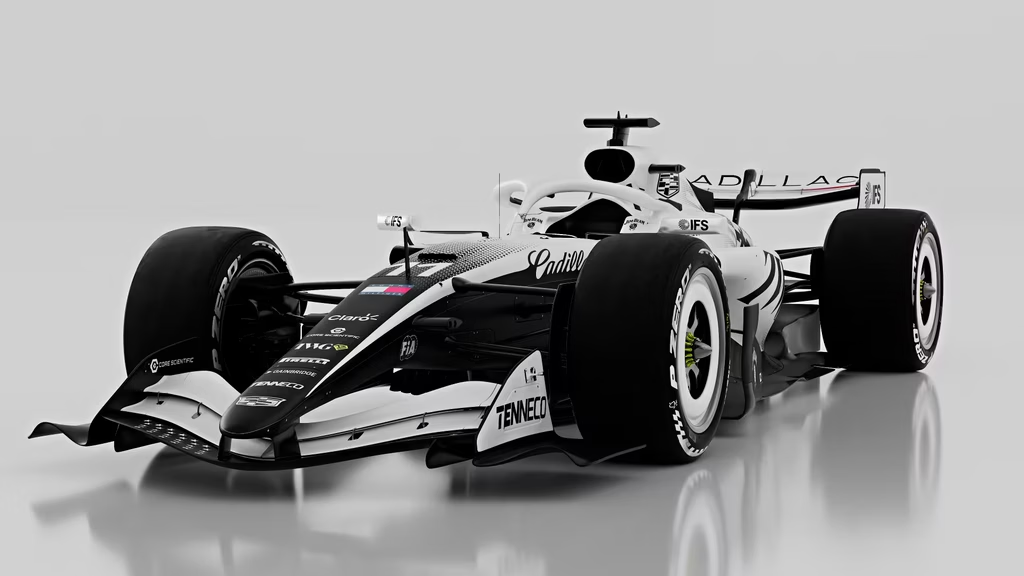
Under the current arrangements, the teams without their own independent Formula 1 engine programmes include:
- McLaren: Mercedes power units.
- Williams: Mercedes power units.
- Alpine: Mercedes power units, following Renault’s withdrawal from engine manufacturing.
- Haas: Ferrari power units.
- Cadillac: Ferrari power units during its initial entry, with General Motors preparing its own engine programme for 2030.
The proposed supply restriction does not mean all these teams will lose their engines. Haas is expected to remain within Ferrari’s allocation, while Cadillac is preparing to become a manufacturer in its own right.
The greater uncertainty concerns McLaren, Williams and Alpine.
There are potential alternatives. Honda, Audi and General Motors could have room to supply an additional team under the proposed two-team arrangement. However, having an available allocation does not automatically mean a manufacturer is willing to take on another customer.
There is also a proposed FIA safeguard: if a team cannot secure an engine agreement, the governing body could oblige a manufacturer to supply a third team. That would be a last-resort measure rather than a guaranteed choice of supplier.
Mohammed Ben Sulayem’s independent engine proposal
The latest developments bring us back to an idea raised by FIA President Mohammed Ben Sulayem earlier in 2026.
In July, Ben Sulayem discussed the possibility of an independent engine supplier offering an affordable, off-the-shelf Formula 1 power unit from the next regulatory cycle. The concept was intended to give customer teams an alternative to relying on a major automotive manufacturer.
His concern was straightforward: a team purchasing an engine from a manufacturer should not become dependent on that manufacturer politically or commercially.
Ben Sulayem argued that an independent engine could prevent a situation in which a customer team felt pressured to vote a particular way or accept unfavourable treatment to protect its engine supply.
Formula 1 CEO Stefano Domenicali also acknowledged the value of an independent supplier, referring to the possibility of a white-label engine similar in principle to the Cosworth units used by independent teams in earlier eras.
The proposal was particularly relevant to teams such as McLaren and Alpine, which could potentially operate independently of a major manufacturer’s works programme if the engine became affordable enough.
However, the latest reporting from Autosport suggests the FIA’s independent third-party engine plan is now effectively dead in the water. No prospective supplier had emerged with a commercially viable programme, and the agreement among the six manufacturers to limit themselves to two teams each has changed the immediate supply picture.
The FIA has not announced that it will manufacture its own engine.
Instead, the current framework reportedly includes a provision for the transfer of a departing manufacturer’s power-unit intellectual property to the FIA, which could then assign it to another manufacturer. This is a safeguard against a manufacturer leaving the sport, not the creation of an FIA engine division.
Could Cosworth become Formula 1’s independent engine supplier?
If the FIA does not become an engine manufacturer itself, the obvious name to examine is Cosworth.
The British engineering company has a long history in Formula 1, supplying engines to numerous teams across several decades. Its last Formula 1 engine programme supplied Marussia in 2013, before the expensive and technically complex hybrid era made independent engine manufacturing increasingly difficult.
Cosworth is also a particularly relevant name because Ben Sulayem himself has referred to the possibility of an independent supplier in the context of the historic Cosworth model.
A simpler V8 formula could make such a programme more commercially realistic than the current generation of hybrid power units.
However, there is an important distinction between being a credible candidate and having an actual contract. There is no confirmed announcement that Cosworth intends to develop a 2030 or 2031 Formula 1 engine.
Other specialist engineering companies, including Ilmor and Mecachrome, have relevant motorsport experience, but neither should be described as a confirmed prospective supplier either.
For now, Cosworth is the most recognisable historical example of the independent-engine concept, not a confirmed entrant.
Would teams receive more money to develop their own engines?
This is where the financial implications become particularly interesting.
A team deciding to develop its own power unit after 2031 would not simply receive an automatic increase to its existing Formula 1 team budget cap.
There are two different financial controls to understand: the cost cap governing a power-unit manufacturer’s development operation and the cost cap governing the racing team itself.
The power-unit manufacturers have their own development cost-cap arrangements. According to Autosport’s reporting on the 2030 framework, the proposed power-unit cost cap is set at $190 million for 2030, before reducing by $7.5 million annually to $160 million in 2034.
This is intended to give manufacturers room to develop the new engine formula while gradually reducing the permitted expenditure.
General Motors is understood to have a different initial allowance of approximately $170 million for its first years as a new power-unit manufacturer.
That distinction matters. An existing team deciding to become an engine manufacturer would need to establish a separate power-unit development operation and comply with the applicable manufacturer regulations. It would not simply be able to use its normal chassis-development budget to finance an unrestricted engine programme.
Nor does the reported $190 million figure represent an increase in the ordinary team cost cap. It is a separate power-unit development allowance.
The financial question after 2031 is therefore whether the FIA creates a sufficiently attractive framework for independent teams to enter engine manufacturing. That could require specific allowances or transitional provisions for new manufacturers, but no automatic increase in team budgets has been announced.
There is also the commercial reality: developing an engine is one expense; maintaining the facilities, personnel, testing equipment, reliability programme and ongoing development is another.
McLaren, for example, has considered the possibility of developing its own power unit in the past, but Brown’s latest comments suggest the team would rather continue with Mercedes.
For smaller organisations, the cost of establishing an engine division could be considerably harder to justify.
The return of the 2.1-litre turbocharged V8
Perhaps the most significant technical development is the direction Formula 1 has now agreed to pursue for 2030.
On 20 November, the FIA announced unanimous support from the governing body, Formula 1, the teams and the power-unit manufacturers for a new technical framework centred on a 2.1-litre turbocharged V8.
The proposed engine will run on advanced sustainable fuels and feature a reduced electrical contribution, with a maximum electric output of 200kW.
The move represents a return to eight-cylinder engines for the first time since the 2013 season.
The 2.1-litre capacity is a compromise between the desire