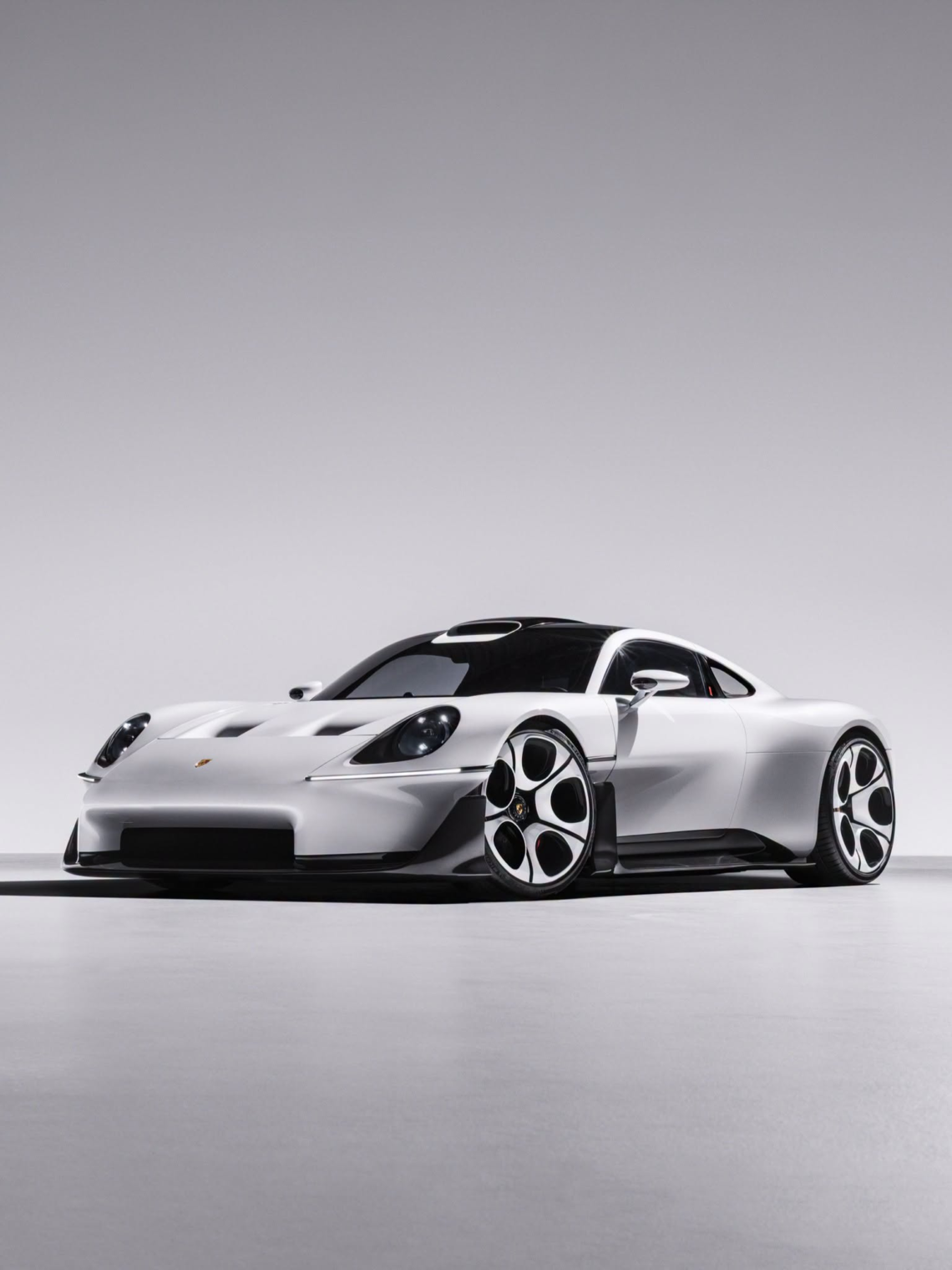
Porsche Mission S: A New Flagship, and a Return to the Art of the Supercar
There are sports cars, and then there are the cars a manufacturer builds to remind the world what it is capable of.
For Porsche, that distinction has long been embodied by machines such as the 959, the Carrera GT and the 918 Spyder. Each represented more than an exercise in speed; each was an opportunity to push engineering beyond the expectations of the moment, translating competition experience and technical ambition into something that could be driven on the road.
Now, Porsche is preparing to open another chapter.
The Mission S arrives as a concept previewing a potential mid-engined supercar positioned above the 911. It represents an ambitious expansion of Porsche’s sports-car philosophy, placing the company’s next great performance statement in a category where exclusivity, engineering sophistication and emotional appeal matter as much as outright numbers.
The significance is not simply that Porsche may be preparing another supercar. It is that the marque appears ready to create a new flagship while reconsidering how its most desirable cars should fit into the future of the business.
Beyond the 911
The Porsche 911 has spent decades defining the brand’s identity. Its rear-engined configuration, unmistakable silhouette and remarkable breadth of capability have made it one of the automotive world’s most enduring sports cars.
But the Mission S explores a different proposition.
A mid-engined layout places the engine between the front and rear axles, allowing engineers to pursue a different balance of weight distribution, packaging and dynamic response. It is a configuration associated with some of the world’s most celebrated supercars, and one Porsche has already explored through its most ambitious road-going machines.
The Mission S is therefore not simply another variation of the 911. Its proposed position above the established icon suggests a more specialised machine, one intended to occupy a rarer and more exclusive corner of the Porsche range.
That distinction matters. Rather than replacing the 911, a flagship of this kind would give Porsche room to explore a different expression of performance, one that could stand alongside the company’s established sports cars while appealing to customers seeking something more exceptional.
A lineage written in engineering
To understand the ambition behind the Mission S, it helps to look backwards.
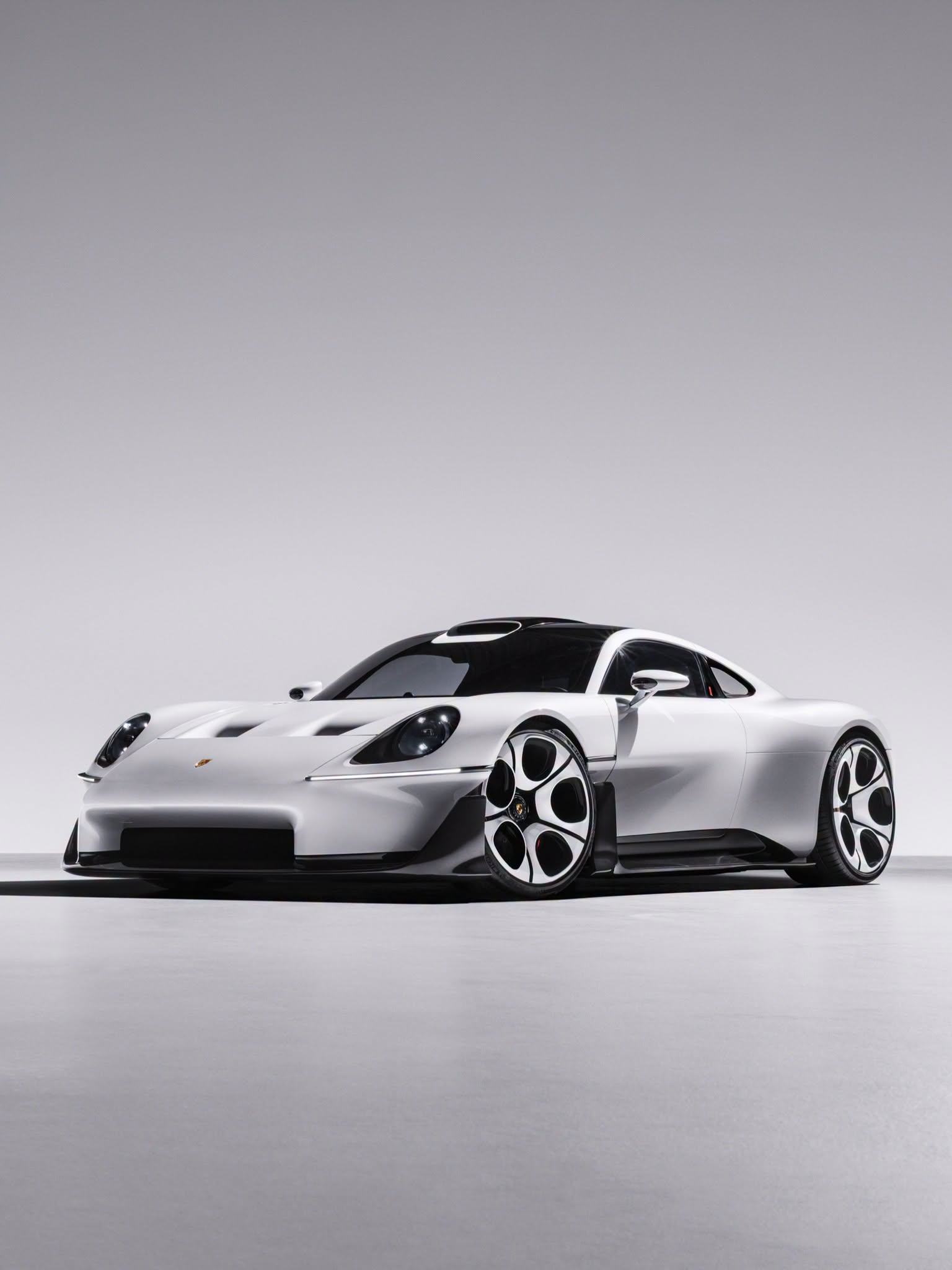
The Porsche 959 demonstrated how advanced technology could redefine the performance car. The 911 GT1 brought racing-derived thinking into a road-legal machine. The Carrera GT became synonymous with a naturally aspirated V10 and a deeply mechanical driving experience. Then came the 918 Spyder, which combined a high-revving V8 with electric motors to deliver a sophisticated interpretation of hybrid performance.
These cars were products of different eras, but they shared a common purpose: to demonstrate what happens when Porsche is given the freedom to pursue its most ambitious engineering ideas.
The Mission S enters that conversation with a different challenge. It must feel relevant to a new generation without losing the qualities that made those predecessors memorable.
Its mid-engined configuration provides the foundation for that ambition. Its final powertrain, production specification and performance figures, however, must be judged on confirmed information rather than expectations attached to the name.
For Porsche, heritage is a starting point, not a substitute for innovation.
The driver remains the centrepiece
Modern performance cars increasingly rely on sophisticated electronics, digital interfaces and complex systems to deliver speed and usability. Yet the appeal of a true driver’s car is still measured by something less easily quantified: the connection between the person behind the wheel and the machinery beneath them.
That is where the Mission S has the opportunity to make its strongest statement.
A flagship supercar cannot rely on exclusivity alone. Its steering, throttle response, chassis balance, braking and communication with the driver must work together to create an experience that feels deliberate and coherent.
Porsche’s motorsport history provides a formidable foundation for that pursuit. But the challenge is to ensure that technological sophistication enhances the driving experience rather than overwhelming it.
The Mission S is an opportunity to explore that balance in a more rarefied category, where the smallest engineering decisions can become central to a car’s identity.
A new place in Porsche’s future
The Mission S also arrives at an important moment for Porsche as the company considers how to strengthen its position in the luxury-performance market.
A supercar positioned above the 911 would offer a more exclusive product at the top of the range, potentially helping the company compete for customers drawn to the most prestigious names in the segment. It would also give Porsche an opportunity to develop a distinctive flagship rather than relying exclusively on increasingly specialised versions of its existing sports cars.
The commercial question is whether the finished car can justify that position through substance as well as scarcity.
Porsche has already demonstrated that it can build technically extraordinary vehicles. The harder task is creating a car that feels indispensable: one whose engineering, design and character make a convincing case for its place in the automotive landscape.
That is a higher standard than simply producing more power or setting another performance record.
The beginning, not the conclusion
The Mission S should be approached for what it is: a concept offering a glimpse of a possible new direction for Porsche, rather than a finished production car with every specification settled.
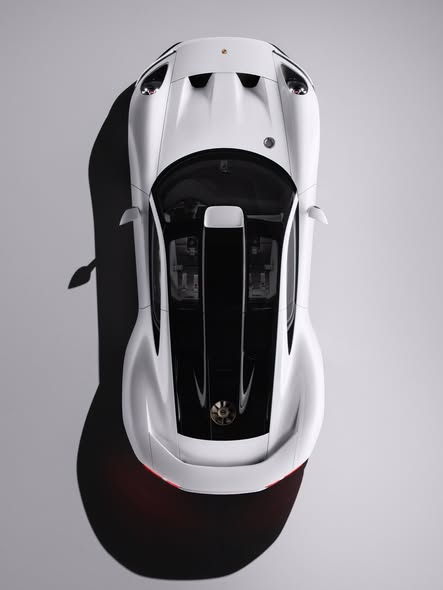
Its eventual significance will depend on how closely the production vehicle follows the concept, what powertrain Porsche ultimately selects, and whether the company can translate its ambitions into a machine that lives up to the expectations surrounding its predecessors.
The 959, Carrera GT and 918 Spyder each left their own mark because they represented more than a place at the top of a price list. They embodied a particular moment in Porsche’s engineering history.
The Mission S has the opportunity to do the same.
For now, its most compelling promise is not a number on a specification sheet. It is the possibility of a new Porsche flagship that looks beyond the familiar boundaries of the 911 while remaining faithful to the marque’s defining pursuit: building sports cars in which engineering and the driver’s experience belong together.
If Porsche gets that balance right, the Mission S could become much more than another supercar concept. It could be the beginning of the next defining chapter in the company’s history.