The Circuit de Spa-Francorchamps is a brutal, unrelenting judge of racing driver pedigree. Nestled deep within the Ardennes forest, its micro-climate, terrifying high-speed sectors, and legendary corners like Eau Rouge and Pouhon separate the good from the transcendent.
While the history books often spotlight multi-time Spa winners like Ayrton Senna or Michael Schumacher, two of modern Formula 1’s ultimate stalwarts—Fernando Alonso and Valtteri Bottas—share an extraordinary, yet often overlooked, achievement at the Belgian Grand Prix: the art of the flawless, high-stakes recovery drive from the absolute back of the grid.
For both drivers, Spa-Francorchamps served as the backdrop for career-defining masterclasses in wheel-to-wheel combat, race craft, and tactical patience.
Fernando Alonso: The 2016 Miracle from P22
The 2016 Belgian Grand Prix was supposed to be a weekend to forget for Fernando Alonso. Plagued by a catastrophic wave of power unit failures on his McLaren-Honda, Alonso accumulated massive grid penalties. When his car broke down just yards into qualifying, he was relegated to the very back of the grid—lining up 22nd and last.

What followed on Sunday was pure, unfiltered racing genius.
While a chaotic first-lap collision cleared some of the midfield, Alonso used his razor-sharp instincts to slice through the wreckage unscathed. By the time a heavy crash from Kevin Magnussen brought out the red flag on Lap 10, Alonso had incredibly worked his way up to 4th place.
Once the race restarted, the underpowered McLaren-Honda was a sitting duck on the long Kemmel Straight. Yet, Alonso put on a defensive clinic. He placed his car perfectly, managed his tires beautifully, and fended off much faster machinery to cross the finish line in 7th place. To take a sub-par car from dead last to a heavy points-paying position at a power-sensitive track like Spa remains one of Alonso’s most impressive modern achievements.
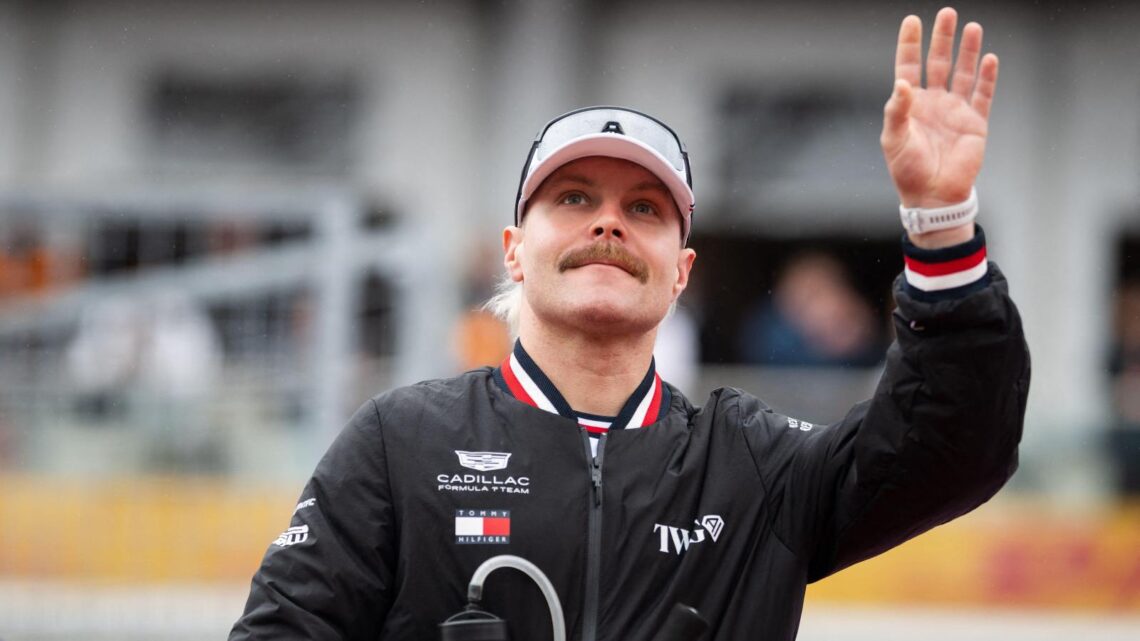
Valtteri Bottas: The 2018 Overtake Masterclass from P17
Two years later, it was Valtteri Bottas’s turn to conquer the Spa gauntlet from the depths of the grid. Driving for Mercedes, Bottas was forced to take a tactical engine change penalty, dropping him down to 17th.

Unlike Alonso’s chaotic, red-flag-assisted climb, Bottas’s charge through the field was a relentless, calculated onslaught of pure pace.
Armed with a fresh power unit, the Finn methodically tore through the field. He pulled off daring, precise moves into the Bus Stop chicane and swept around the outside of rivals down the Kemmel Straight. Even after picking up minor front-wing damage from a first-lap clip, Bottas refused to drop his pace.
By the time the checkered flag waved, Bottas had climbed an astonishing 13 places to finish on the steps of the top five in 4th place, securing the race’s official Fastest Lap (a blistering 1:46.286) in the process. It was a drive that perfectly showcased Bottas’s elite overtaking capability and clinical precision when handed the right machinery.
A Shared Legacy of Ardennes Resilience
What makes these individual drives from Alonso and Bottas so impressive is the venue itself. Spa is not a Monaco or a Singapore where tracking position dictates the result; it is a circuit that demands relentless, high-speed commitment over 44 grueling laps.
When forced to start at the tail end of the field where the risk of opening-lap retirement is highest, both drivers proved exactly why they belong in the upper echelon of grand prix racing history. They didn’t just survive the chaos of the Ardennes—they mastered it.