The word of the season in the Formula 1 paddock isn’t downforce, efficiency, or deployment. It’s correlation. Specifically, how cleanly a team can achieve a perfect translation from the digital realm of the Driver-in-the-Loop (DIL) simulator to the physical asphalt of the racetrack. With the monumental 2026 regulatory overhaul altering the very DNA of the sport introducing a near 50/50 power split between the internal combustion engine and hybrid electrical deployment every team on the grid is effectively starting from scratch. We are looking at a grid where all 11 competitors are, in a sense, the “newest” teams on earth. Yet, as the technical demands skyrocket, the sport’s restrictive limits on physical track testing and sim hours remain rigidly unchanged.

It begs a fundamental question: In an era of completely unproven technology, shouldn’t someone be making the argument for more time?
Finding the Groove: Cadillac vs. Ferrari
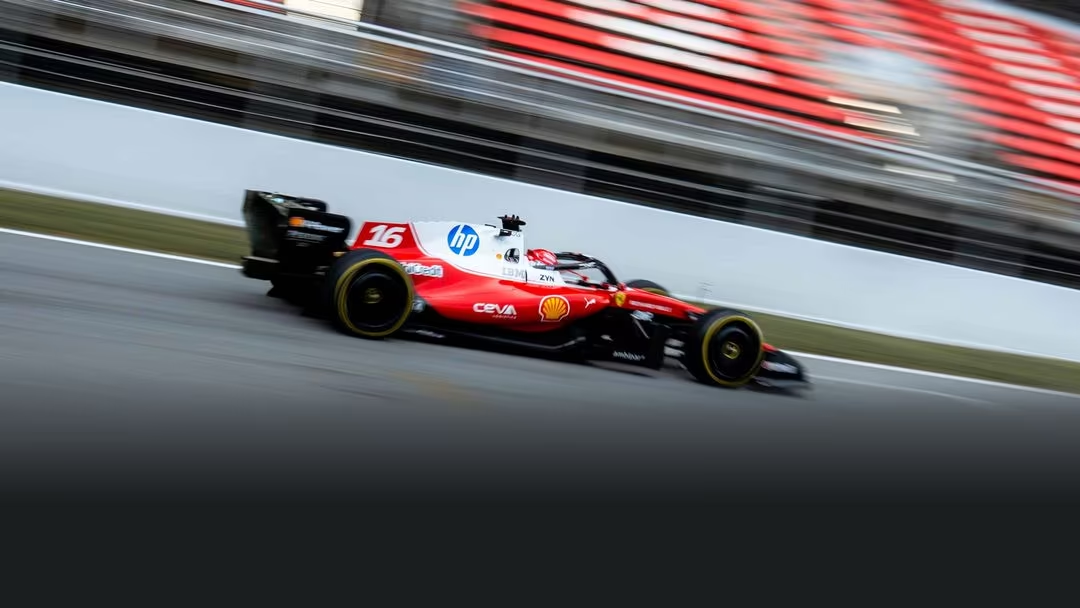
While the translation of data to the physical car has taken a notoriously rocky turn at Scuderia Ferrari where tracking telemetry has looked disconnected from actual on-track performance the Cadillac F1 Team seems to have found a symbiotic groove.
This isn’t an accident. It is the direct result of weaponizing pure, pressure-tested experience. When Cadillac entered the grid, the mandate wasn’t to gamble on youthful exuberance; it was to build a stable technical baseline. To do that, they paired Sergio Perez with Valtteri Bottas.
The value of that choice was laid bare in recent engineering debriefs. Listening to the raw feedback loop from Bottas in the simulator reveals a driver who isn’t just looking for ultimate lap time, but a platform that is forgiving. Cadillac has used Bottas’ smooth, highly analytical driving style to systematically target their biggest early-season hurdle: severe tire overheating.

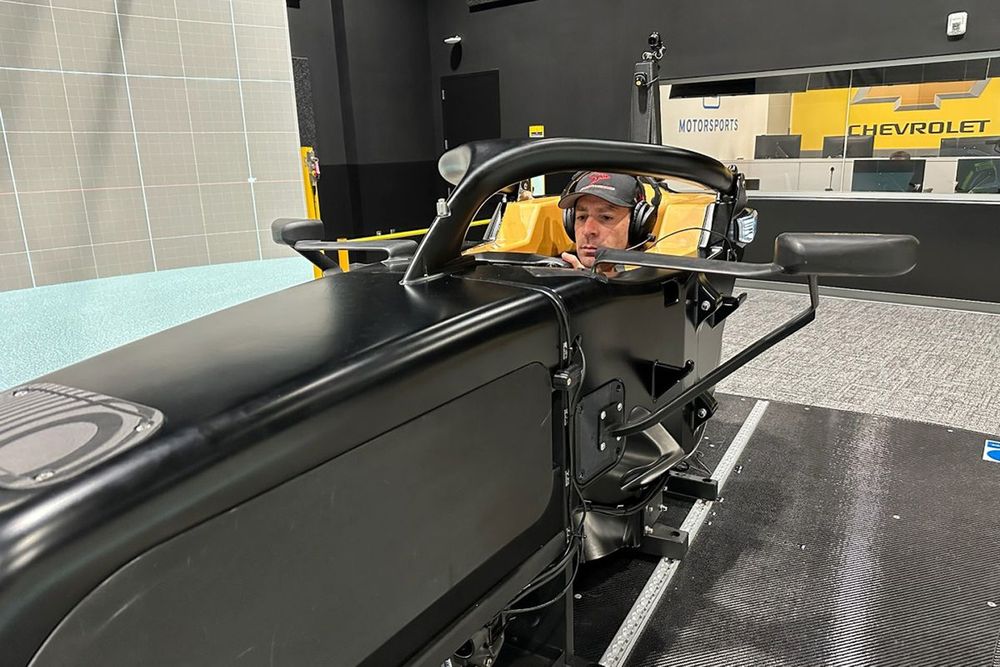
To solve the tire wear issues currently plaguing their mechanical setup, Cadillac’s engineering core in Charlotte has been using the DIL to isolate the exact moments the rubber begins to slide and cook. By tuning the simulator to include hyper-realistic road roughness data, they can mimic the subtle track textures that trigger micro-slips.
Instead of chasing complex aerodynamic fixes that might fail to translate on a bumpy street circuit, Cadillac is utilizing Bottas’ feedback to dial in a more progressive mechanical compliance. They are trading peak theoretical downforce for a wider, more predictable operating window that keeps surface tire temperatures from spiking.
The Sim Dilemma: Hamilton, Bottas, and the Human Element
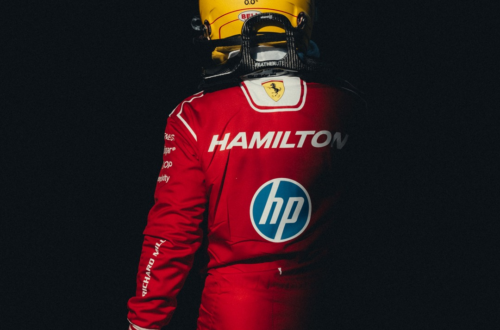
The contrast between drivers in this new era highlights a fascinating cultural split in modern F1. For years, Lewis Hamilton has been vocal about his historic aversion to heavy simulator work, preferring the visceral, real-world translation of an actual race car during a grand prix weekend. Bottas, conversely, spent five years alongside Hamilton at Mercedes acting as a cornerstone of their digital development, fine-tuning the very correlation loops that built a championship dynasty.
Now at Cadillac, Bottas has openly pointed out the severe constraints on the actual time drivers are allowed in a real F1 cockpit.
“With vehicles this complex, you aren’t just learning lines; you are managing a rolling power plant. The translation window is microscopic.”
When the simulator is the primary tool allowed for initial car setups, the precision of that tool dictates your entire weekend. If the road roughness, wind gradients, and curb behaviors aren’t perfectly translated in the DIL, a team turns up to FP1 with a car that is fundamentally lost.
The Case for Extra Time: Why a Podium Demands More
This isn’t a “debut campaign” where Cadillac is content just to show up, log laps, and collect data for the future. The hierarchy inside the team isn’t treating this as a throwaway learning year they are operating with immediate, high-stakes intent. Rumors and targets flying out of the garage make it clear: Cadillac is seriously aiming for at least one podium finish this year.

If they are taking the sharp end of the grid that seriously, then the sport’s restrictive regulations need to be scrutinized under the same lens. When a team builds an operation with the explicit goal of regular silverware from the jump, forcing them to fight with one hand tied behind their back on testing time feels entirely counterproductive.
The regulatory push toward 2030 suggests an eventual dilution or refinement of these complex hybrid powertrains, but today, teams are dealing with the harsh reality of implementation right now.
When a driver hits a bump on a physical track, the chassis oscillates, the battery harvesting software reacts to the brief loss of traction, and the MGU-K alters its deployment. If that exact multi-system chain reaction isn’t perfectly mirrored in the simulator, the driver cannot build the muscle memory required to push the car to its limit.
If Formula 1 truly wants to be the ultimate proving ground for engineering and human skill, forcing teams to guess the translation because of an arbitrary cap on track and sim hours is a self-inflicted bottleneck. For a team like Cadillac, whose podium ambitions are dead serious, the margin for error is zero. The drivers need more time to translate. The engineers need more time to correlate. Until the regulations acknowledge that, the teams that master the human element of the feedback loop the way Cadillac is utilizing Bottas will continue to punch far above their weight.
For a closer look at how this exact human-to-digital loop is being forged behind the scenes, you can watch How Calibration Drives Cadillac F1 Success, which features Valtteri Bottas and Sergio Perez discussing the steep learning curve of building a brand-new operation from the ground up.