While Formula 1 always commands the brightest spotlights and the loudest headlines, the FIA isn’t just the “F1 Federation.” It governs the entire global motorsport pyramid.

When Mohammed Ben Sulayem proposes pulling down presidential term limits and raising the drawbridge against outside challengers, the shockwaves ripple far past the Monaco paddock. For the World Endurance Championship (WEC), the World Rally Championship (WRC), and grassroots racing, this structural shift introduces a completely different brand of friction.
Here is what an indefinite Ben Sulayem presidency means for the rest of the motorsport world.
1. WEC: Protecting the Hypercar Golden Era from Political Crossfire
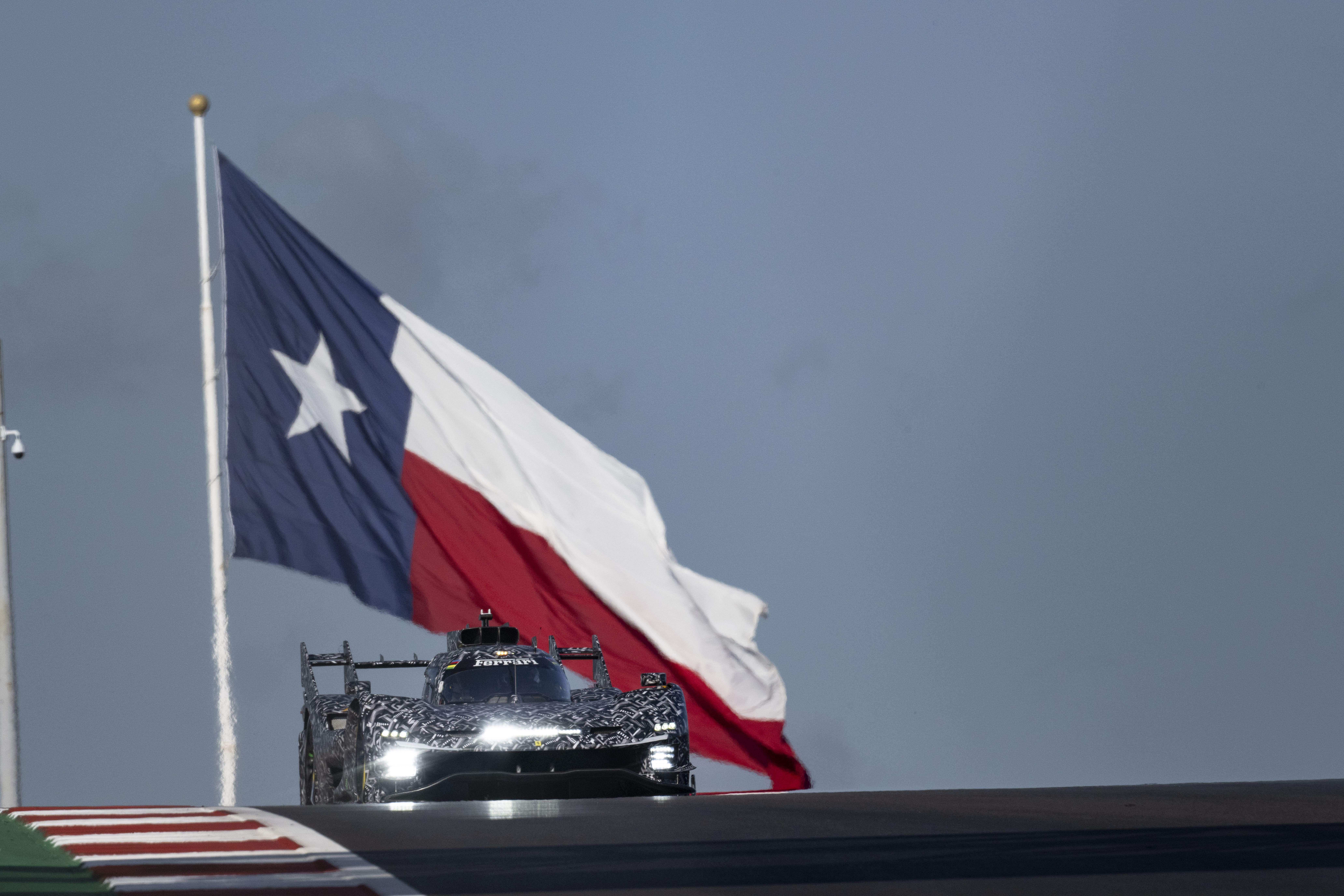
The World Endurance Championship is currently enjoying an unprecedented renaissance. With the convergence of LMH and LMDh regulations, the Hypercar class has attracted a historic grid of manufacturers Ferrari, Porsche, Toyota, BMW, Cadillac, Aston Martin, and Alpine are all fighting wheel-to-wheel.

Prologue
Imola, Italy
April 13th – 14th 2026
Photo: Javier Jimenez / Drew Gibson Photography
| The Risk to WEC | The Mechanism |
| Collateral Damage | WEC’s biggest vulnerability is that it shares the same technical brain trust (the FIA) as F1. If F1 and the FIA enter a state of total, prolonged political warfare over governance, the FIA’s focus, resource allocation, and technical departments risk becoming heavily compromised. |
| The ACO Power Balance | Unlike F1, where the FIA is the sole regulator, WEC is co-managed by the Automobile Club de l’Ouest (ACO). The ACO is a fiercely independent French institution that fiercely guards Le Mans and endurance racing traditions. An unchecked, permanent FIA presidency sets up a potential ideological clash. If Ben Sulayem attempts to exert unilateral control over Balance of Performance (BoP) or marketing structures, it could alienate the ACO and threaten the stability manufacturers bought into. |
2. WRC: A Top-Down Mandate for a Championship in Crisis
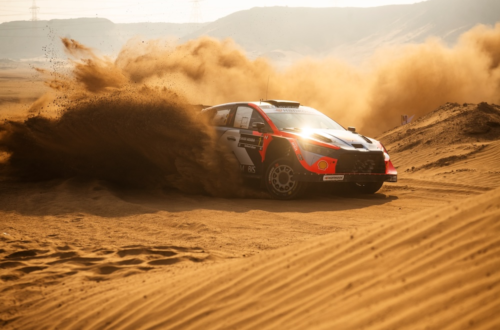
Unlike the booming WEC, the World Rally Championship is at a critical crossroads. It has struggled for years with manufacturer recruitment, leaving the top-tier Rally1 category fighting a lean battle primarily between Toyota and Hyundai.

The World Motor Sport Council recently locked in the WRC27 technical regulations, designed to provide long-term stability and attract new constructors. However, the sport desperately needs aggressive, agile commercial modernization something the FIA has historically struggled to deliver alone.
The “Dictator” vs. “Stabilizer” Dilemma for Rally: Rallying is Ben Sulayem’s home turf; he is a 14-time Middle East Rally Champion. On one hand, an entrenched president with a deep, lifelong passion for rally ensures that WRC will always have a powerful ally at the absolute top of the pyramid. On the other hand, a centralized, bureaucratic FIA that blocks outside ideas makes it incredibly difficult for promoter groups to implement radical, modern commercial changes needed to save the sport from declining viewership.
3. The Rest of the Sport: The Squeeze on Regional Mobility and Grassroots
The FIA operates on a dual-mandate: Sport and Mobility (which represents global motoring clubs, road safety, and tourism).
To push through radical constitutional changes like removing term limits, a president must maintain absolute loyalty among the smaller, regional ASN (national sporting authority) voting blocks across Africa, Asia, and South America. These smaller clubs hold equal voting weight to massive entities like Germany’s ADAC or Britain’s MSUK.
- The Patronage System: To ensure these regions vote to keep him in power indefinitely, Ben Sulayem must keep them happy. This typically manifests as heavily funding regional development programs, grassroots karting initiatives, and local safety grants.
- The Cost of Loyalty: While funding a new karting track or a young-driver academy in an emerging market is objectively positive, critics argue it creates a cyclical patronage system. Financial support is leveraged for political survival, shifting the FIA’s core focus away from elite sporting governance and toward internal political management.
The Verdict: A Governance Model Built on a Single Pivot Point
For the broader motorsport ecosystem, the abolition of term limits trades institutional flexibility for absolute predictability.
If a manufacturer or promoter aligns with Ben Sulayem’s vision, they now have a predictable, long-term partner who isn’t going anywhere. But if a championship’s growth requires the FIA to pivot, adapt, or compromise, they are now dealing with an administration that has effectively removed its own emergency brakes. In a fast-moving, multi-billion-dollar sporting landscape, locking the wheel in one direction is a high-stakes gamble.