Before streaming apps turned our media habits into an endless scroll of modern perfection, late-night television was a complete gamble. You would grab the Sunday newspaper, flip directly to the TV schedule grid, and circle whatever weird, high-concept movie was airing at 11:00 PM.
That is exactly how a generation discovered An American Werewolf in Paris (1997).

Let’s be completely transparent from the jump: if you are looking for the seamless, groundbreaking practical effects of its legendary 1981 predecessor, An American Werewolf in London, you are looking in the wrong place. This sequel famously abandoned Rick Baker’s historic makeup effects in favor of early, incredibly janky late-90s CGI.
But if you turn the lights down, grab a slice of pizza, and treat it like the ultimate midnight popcorn flick, An American Werewolf in Paris reveals itself to be an absolute blast of dark horror-comedy.

The Ultimate Late-90s Vibe Check
The movie follows Andy (Tom Everett Scott), a goofy American tourist on a “daredevil” European road trip with his buddies. While preparing to bungee jump off the Eiffel Tower, he intercepts a beautiful, mysterious French woman named Séraphine (Julie Delpy) who is attempting to leap to her death.
[The Eiffel Tower Dare] ───> [The Underground Rave] ───> [The Full Moon Chaos]
(Andy Meets Séraphine) (Lycanthrope Cult Reveal) (Early CGI Bloodbath)
What follows is a breakneck sprint through Paris’s underground catacombs, a secret cult of xenophobic French werewolves who feed on tourists, and an alternative rock soundtrack featuring Bush and Smash Mouth that screams 1997 with absolute pride.

The story works because it refuses to take itself too seriously. It balances genuine body horror with absurd, unhinged comedic timing—like Andy unknowingly eating the heart of his deceased friend, who subsequently haunts him as a progressively decaying ghost giving him dating advice. It’s campy, fast, and completely self-aware.
The CGI Elephant in the Room
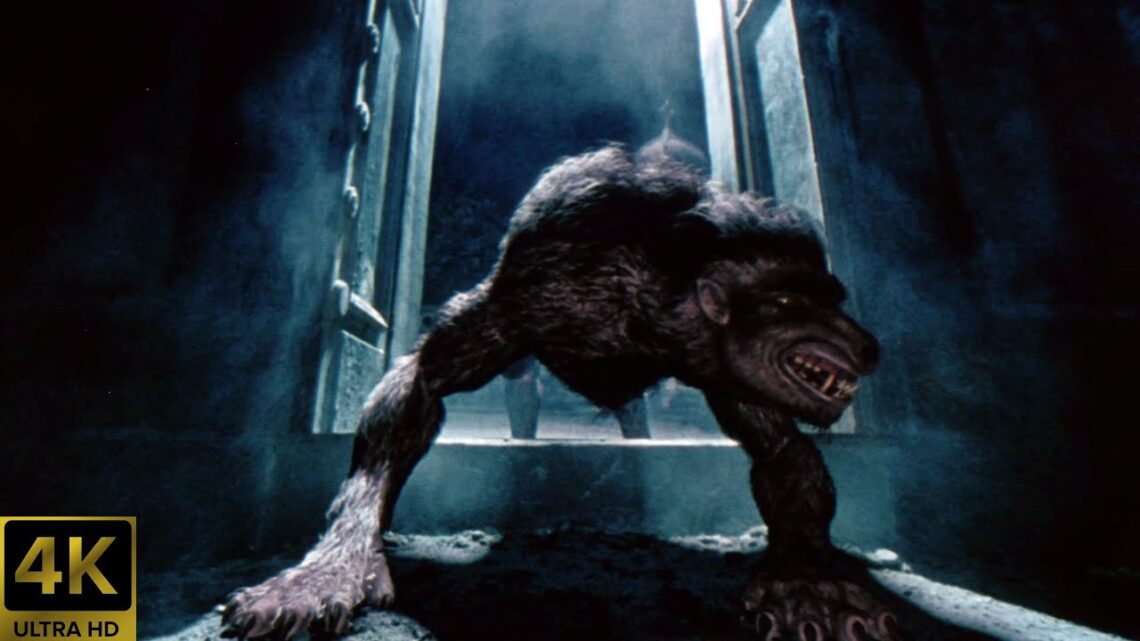
You cannot talk about this film without addressing the digital beasts. The production team opted to use early CGI for the fully transformed werewolves, a decision that has kept the movie firmly in “guilty pleasure” territory for decades.
“The digital monsters look less like ancient curses and more like aggressive PlayStation 1 polygons, but that’s exactly what gives the late-night broadcast its charm.”
When the wolves hit the screen, they look weightless, rubbery, and completely detached from the physical lighting of the French alleyways. But here’s the thing: in the context of a lazy Sunday night binge, that jankiness actually works in the film’s favor. It strips away the genuine terror of the original movie and elevates the dark-comedy aspect, transforming the gruesome club scenes into a frantic, chaotic cartoon bloodbath.
Why It Holds the Late-Night Crown
| The Film | The FX Strategy | The Tone |
|---|---|---|
| An American Werewolf in London (1981) | Groundbreaking practical makeup, bone-snapping body horror | Moody, tragic, deeply terrifying. |
| An American Werewolf in Paris (1997) | Early, experimental CGI, high-speed digital chases | High-octane, campy, self-aware horror-comedy. |
An American Werewolf in Paris is an untouched monument to an era of filmmaking that was aggressively experimenting with a new digital medium, even if the technology wasn’t quite ready to support the vision. It belongs to the same late-night cinematic ecosystem as Blade, The Faculty, and Spawn—movies that leaned heavily into their alternative aesthetics, fast pacing, and wild concepts.
So, the next time you find yourself scrolling through streaming platforms on a Sunday evening looking for that authentic, old-school television broadcast energy, skip the polished modern thrillers. Fire up this 1997 cult classic, embrace the blocky digital transformations, and enjoy the ride through the Parisian underground.