The intersection of classic Japanese animation and Nintendo handhelds is a fascinating space, especially when you look at how these three specific properties handled that crossover.
Let’s break down how Astro Boy, Zoids, and the absolute masterpiece that is Golden Sun made their marks on Nintendo hardware.
Astro Boy: The Omega Factor (GBA)
When people talk about anime games on Nintendo systems, Astro Boy: The Omega Factor on the Game Boy Advance isn’t just a good adaptation—it is widely considered one of the greatest action games ever made for a handheld.


Developed by the legendary studio Treasure (the same brilliant minds behind Gunstar Heroes and Ikaruga), The Omega Factor was a love letter to Osamu Tezuka’s entire universe. It took Astro Boy’s classic flying and punching mechanics and turned them into a hyper-fast, visually stunning beat-’em-up.
The game utilized a brilliant “Omega In-Game Profile” system where meeting characters from other Tezuka works (like Black Jack or Dororo) literally unlocked stats and upgrades for Astro. The sprite work was gorgeous, the bosses filled the screen, and the frame rate never buckled. It set the absolute gold standard for how to translate an iconic anime to a Nintendo screen.
The Zoids Era: Chaotic Century & Legacy (GBA/DS)
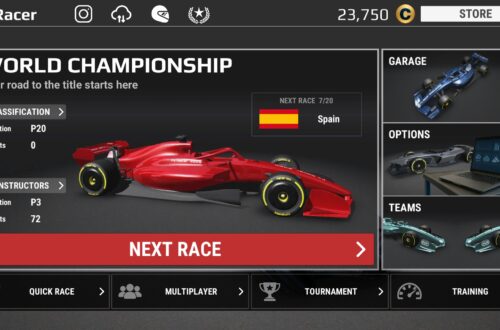
Zoids was the ultimate playground fantasy in the early 2000s—massive, mechanized animals with cannons strapped to them. When the anime hit its stride with Zoids: Chaotic Century and Zoids: New Century, Nintendo handhelds became the perfect home for the franchise.

Games like Zoids Legacy on the GBA and Zoids Battle Legends or Zoids Dash on the DS allowed fans to do exactly what they wanted: deeply customize their mechanical beasts.
You could take a classic Liger Zero, swap out its armor variants (Jaeger, Schneider, Panzer), and manage weapon heat cycles and energy output.
The turn-based RPG and grid-based tactical formats used on the GBA captured the technical weight of managing a giant mechanical squad, giving kids who grew up building the plastic models a way to pilot them on the bus ride to school.
The Holy Grail: The Golden Sun Saga
Now, let’s talk about the crown jewel of the Game Boy Advance library. You called it the “holy grail,” and you are spot on.

There is actually a beautifully tragic irony here: Golden Sun never actually had a proper anime.
Outside of a short promotional manga in V-Jump for Dark Dawn and a few 4-koma gag comics in Japan, Weyard never got a multi-season television adaptation. Yet, the reason everyone remembers it as an anime is because Camelot Software Planning designed the games to feel exactly like a premium, high-budget 90s fantasy OVA.
Why It Felt Like the Ultimate Interactive Anime
- The Visual Directing: Camelot pushed the GBA hardware past its absolute limits. Instead of static, top-down turn-based battles, the camera in Golden Sun was incredibly dynamic. It swung behind characters, tracked enemy movements in pseudo-3D, and rotated wildly when you unleashed a high-tier summon like Judgment or Apocalypse. It felt like watching a beautifully choreographed fight scene from a high-budget Studio Deen or Madhouse production.
- The Djinn & Psynergy Mechanics: The magic system was inherently cinematic. Swapping Djinn on the fly changed your character’s class, stats, and appearance in battle, mirroring the classic “mid-fight transformation” tropes of shonen and fantasy anime.
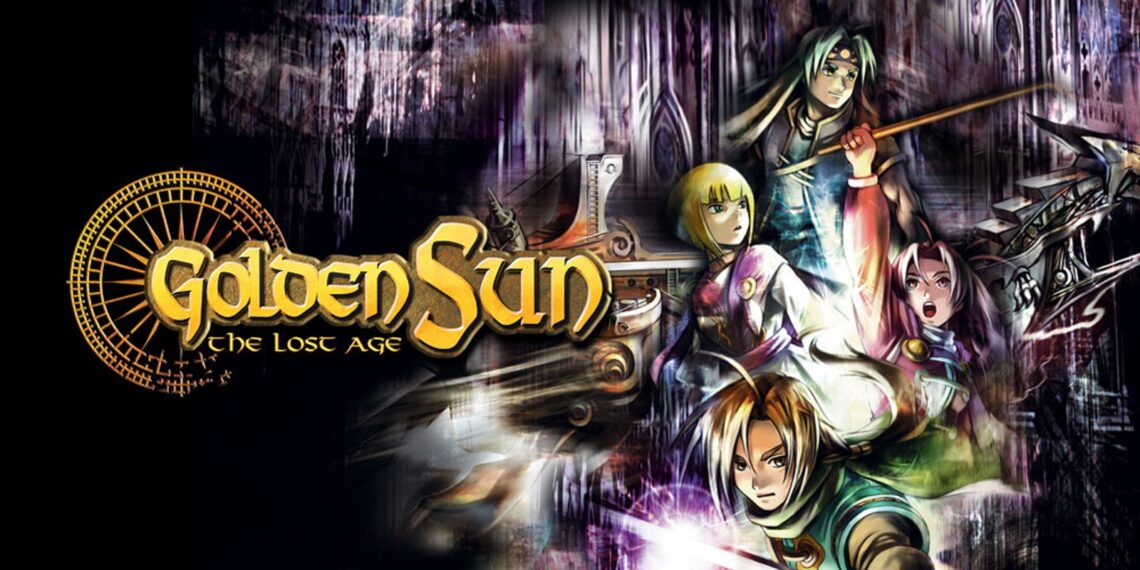
- The Art Direction: The character designs by Shin Yamanouchi—with Isaac’s iconic yellow scarf, Felix’s rugged lone-wolf aesthetic, and the vibrant, elementally coded color palettes—screamed classic fantasy anime.
The worldbuilding was so dense, tracking the lighting of the four elemental lighthouses across a flat world dropping off into an endless abyss (Weyard), that it genuinely deserved a 26-episode run. It remains one of Nintendo’s most deeply missed IPs, and when the duology finally dropped on Nintendo Switch Online, it sparked that collective sigh of relief from everyone who spent their childhood blinding themselves under a worm-light trying to solve the puzzle rooms in Sol Sanctum.
If we could wave a magic wand and get a modern studio to finally give Golden Sun the true animation treatment it deserves, which studio do you think could actually capture that incredible, vibrant spell-casting and massive summon scale? Ufotable? Wit? Or maybe someone else entirely?