There was a time when dinner was never simply dinner.
It was an occasion.
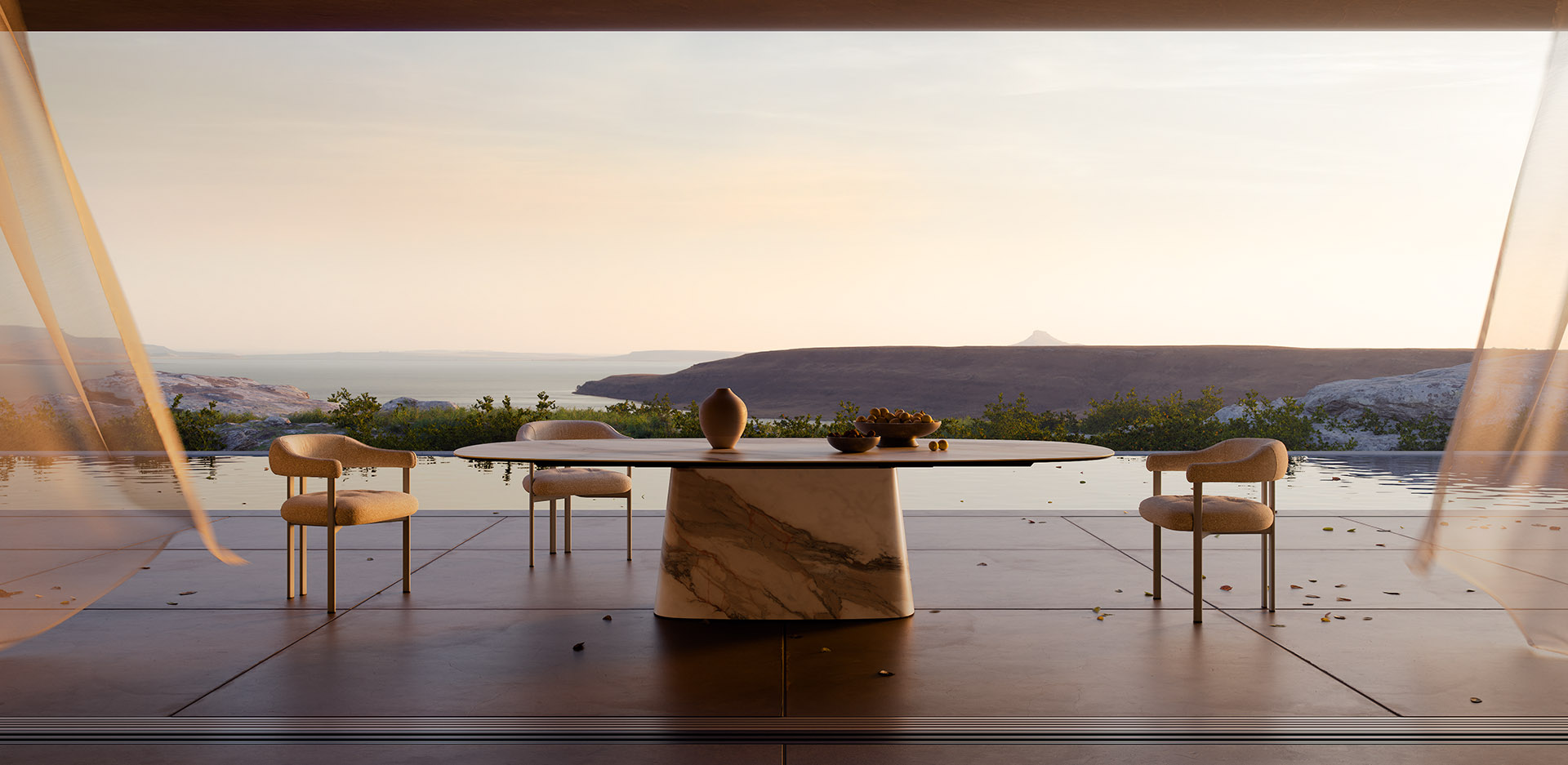
The table was dressed before the first guest arrived. Silver was polished. Crystal was positioned precisely. Linen was pressed. Plates were placed with intention. The host knew where everyone would sit, what would be served, when it would arrive and, perhaps most importantly, who should sit beside whom.
The meal itself was only part of the experience.
Dinner was theatre, conversation, hospitality and, in many homes, a quiet demonstration of culture.
Today, much of that has disappeared.
We eat from kitchen counters, coffee tables and our laps. We order food from phones, photograph it before eating it and sometimes spend an entire meal looking at a screen rather than the person sitting across from us.
Convenience won.
But somewhere along the way, something else was lost.
The art of the dinner table.
When the Table Was the Center of the Home
The importance of the dining table is much older than the modern dining room.
Across centuries, the way people prepared, served and consumed food reflected their society. Archaeological and historical studies of dining show how tableware, utensils and etiquette evolved alongside social structures and changing ideas of hospitality.
In wealthy European households, dining gradually became an opportunity to display far more than food.
It could display wealth.
Silver.
Porcelain.
Crystal.
Fine linen.
Rare ingredients.
And eventually, an understanding of etiquette that could be just as important as the meal itself.
By the late 17th and 18th centuries, the fork had become increasingly established in European dining, while formal table settings became a means of expressing taste and status.
The table was becoming a language.
And everyone was expected to understand it.
The Dinner Table Was Once a Performance
One of the most fascinating changes in dining came during the 19th century.
Before then, European aristocratic meals were commonly served à la française.
Rather than receiving one carefully plated dish at a time, diners were confronted with an extraordinary landscape of food.
Multiple dishes could appear simultaneously across the table.
Roasts.
Vegetables.
Fish.
Sauces.
Pastries.
Desserts.
The table itself became part of the spectacle.
Guests could serve themselves and one another from the dishes surrounding them. It was impressive, abundant and unmistakably designed to communicate wealth.
But it had a problem.
Some food inevitably became cold before everyone had eaten.
And what was closest to one diner might be inaccessible to another.
The answer would help create the foundation of modern restaurant dining.
Enter Service à la Russe
During the 19th century, service à la russe gradually replaced the older style across much of Western Europe.
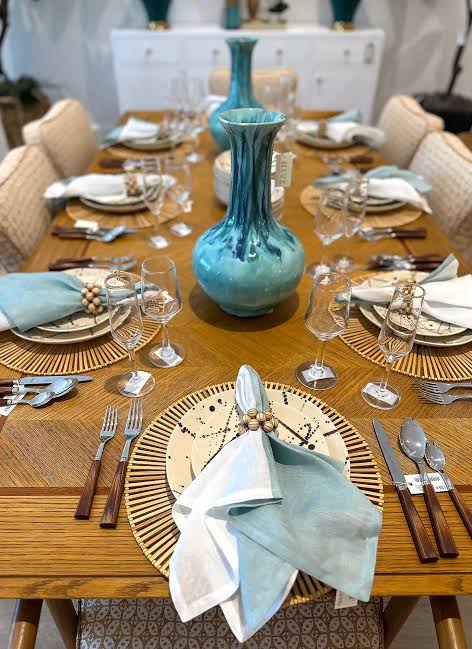
Instead of placing the meal on the table all at once, dishes arrived sequentially.
Soup.
Fish.
Entrée.
Roast.
Dessert.
Each course was presented individually to the guest.
The method is generally associated with Russian diplomatic influence in France, particularly Prince Alexander Kurakin, although historians note that the transition was gradual and that versions of sequential service existed before and alongside the Russian model.
The change seems ordinary to us now.
It wasn’t.
It fundamentally changed the experience of dining.
Food could arrive hotter. Guests could concentrate on one course at a time. The meal developed a rhythm.
And the center of the table was freed.
That space could now be occupied by flowers, candles, silverware and decoration.
The table itself became more beautiful because the food no longer had to occupy every inch of it.
As the Oxford Companion to Food notes, the new system required more servants, more china and more equipment, making formal service itself an expression of wealth.
Luxury was no longer just what you ate.
It was how it arrived.
The Rise of the Formal Dinner
By the Victorian era, the formal dinner had become something approaching choreography.
There were hosts and guests.
There were places to sit.
There were rules governing conversation, posture and service.
There were multiple glasses, multiple pieces of cutlery and often multiple courses.
The dining room became a controlled environment where every detail had a purpose.
A guest didn’t simply sit down.
They were received.
They didn’t simply eat.
They participated.
And the host had responsibilities beyond providing food.
A successful dinner required consideration.
Who would enjoy speaking to whom?
Who might have something in common?
Who should be seated beside the host?
When should dinner begin?
When should wine be served?
When should dessert arrive?
These details mattered because dinner was fundamentally social.
The food gave people a reason to gather.
The table gave them a place to connect.
Then We Started Rushing
The modern world changed the equation.
Industrialization altered working hours. Families became smaller. Houses changed. Domestic servants disappeared from most homes. Kitchens became more efficient. Restaurants became increasingly accessible.
And eventually, the television entered the room.
Then the computer.
Then the smartphone.
The dining room began to lose its position.
In many modern homes, the kitchen became the center of daily life while formal dining rooms were removed entirely. Contemporary interior design has increasingly favored open-plan spaces that combine cooking, dining and living rather than separating them into distinct rooms.
There is nothing inherently wrong with that.
In fact, there is something wonderful about an informal meal.
But informality became our default.
And perhaps we went too far.
The Table Became a Place to Eat Instead of a Place to Gather
Think about the difference.
A restaurant can serve extraordinary food.
But a dinner table can create a memory.
The birthday dinner.
The first date.
Christmas lunch.
A bottle opened after years in the cellar.
A grandfather telling the same story for the tenth time.
Friends staying long after dessert because nobody wants the evening to end.
These moments aren’t really about the food.
The food is the excuse.
The table is the stage.
And that may be the part of dining culture we should reconsider.
We Don’t Need Servants to Bring It Back
The revival doesn’t require a mansion, a butler or a collection of antique silver.
It doesn’t even require a formal dining room.
The ritual can be remarkably simple.
Put the phones away.
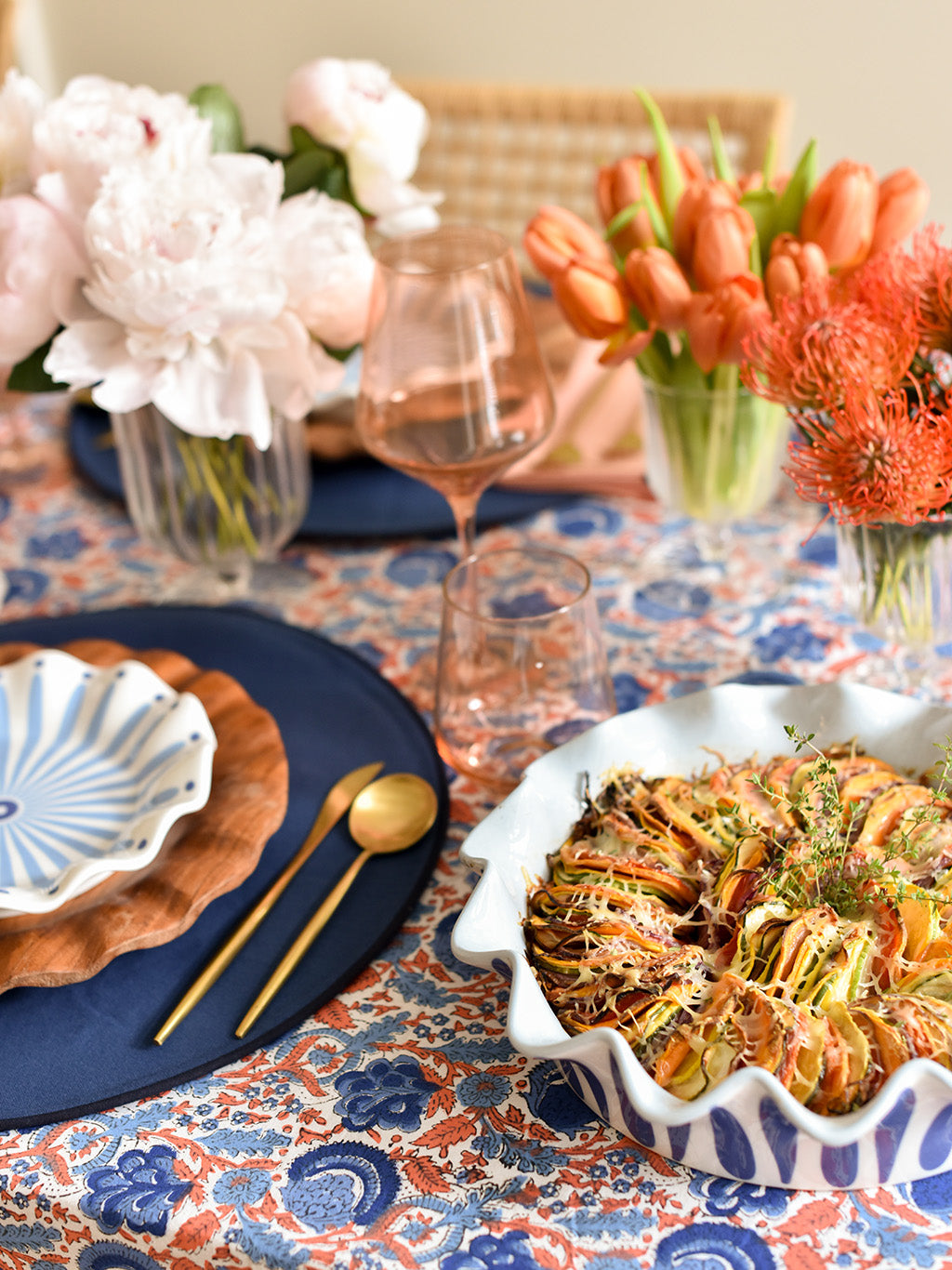
Set the table properly.
Use real glasses.
Light a candle.
Open the bottle you’ve been saving.
Serve the food in courses rather than placing everything on the table at once.
Invite people who will actually talk to each other.
And don’t rush dessert.
That alone changes the evening.
Luxury has always been partly about time.
And there may be no greater luxury today than giving someone your undivided attention for three hours.
The New Luxury May Be Conversation
This is where the dinner table becomes relevant again.
We live in an age of extraordinary connectivity, yet meaningful conversation can be surprisingly difficult to find.
A formal dinner imposes something that modern life rarely does:
it makes you stay.
You cannot swipe away from the person across the table.
You cannot mute the conversation.
You cannot disappear into another room without making it obvious.
You are there.
Present.
Listening.
Talking.
Eating.
And perhaps that is why intimate supper clubs and curated dining experiences are finding renewed interest. Contemporary supper clubs are increasingly built around small groups, storytelling and shared experiences rather than simply providing somewhere to eat.
The appetite for the ritual never really disappeared.
We simply stopped practicing it.
The Dining Room May Be Coming Back
Interestingly, the formal dining room itself is beginning to experience something of a revival.
After years of open-plan living, designers are once again seeing interest in dedicated dining spaces—rooms designed specifically for gathering, entertaining and creating an atmosphere rather than simply accommodating a table.
That doesn’t necessarily mean a return to Victorian formality.
It could mean something better.
A modern interpretation.
Beautiful tableware without unnecessary ceremony.
Exceptional food without pretension.
Good wine without the performance.
And conversation without a phone sitting beside every plate.
The dining room doesn’t have to become a museum.
It can become useful again.
What We Actually Lost
The lost art of the dinner table isn’t really about knowing which fork to use.
It isn’t about memorizing etiquette books.
It isn’t about whether your napkin sits on the left or right.
Those details have their place, but they are secondary.
What we lost was intentionality.
The decision to make dinner matter.
To prepare for people.
To sit down.
To serve something properly.
To give conversation time to develop.
To allow a meal to become an evening rather than a task between work and sleep.
For centuries, the dinner table was one of the great meeting places of human life.
Families were formed around it.
Deals were negotiated around it.
Friendships were strengthened around it.
Arguments were settled around it.
Stories were passed down around it.
Civilizations changed, but people continued to gather around food.
Perhaps the modern luxury isn’t having a larger kitchen, a more expensive restaurant or a rarer bottle.
Perhaps it is simply having somewhere worth sitting down.
Because the greatest dinner has never really been about what is on the plate.
It has always been about who is sitting around it.