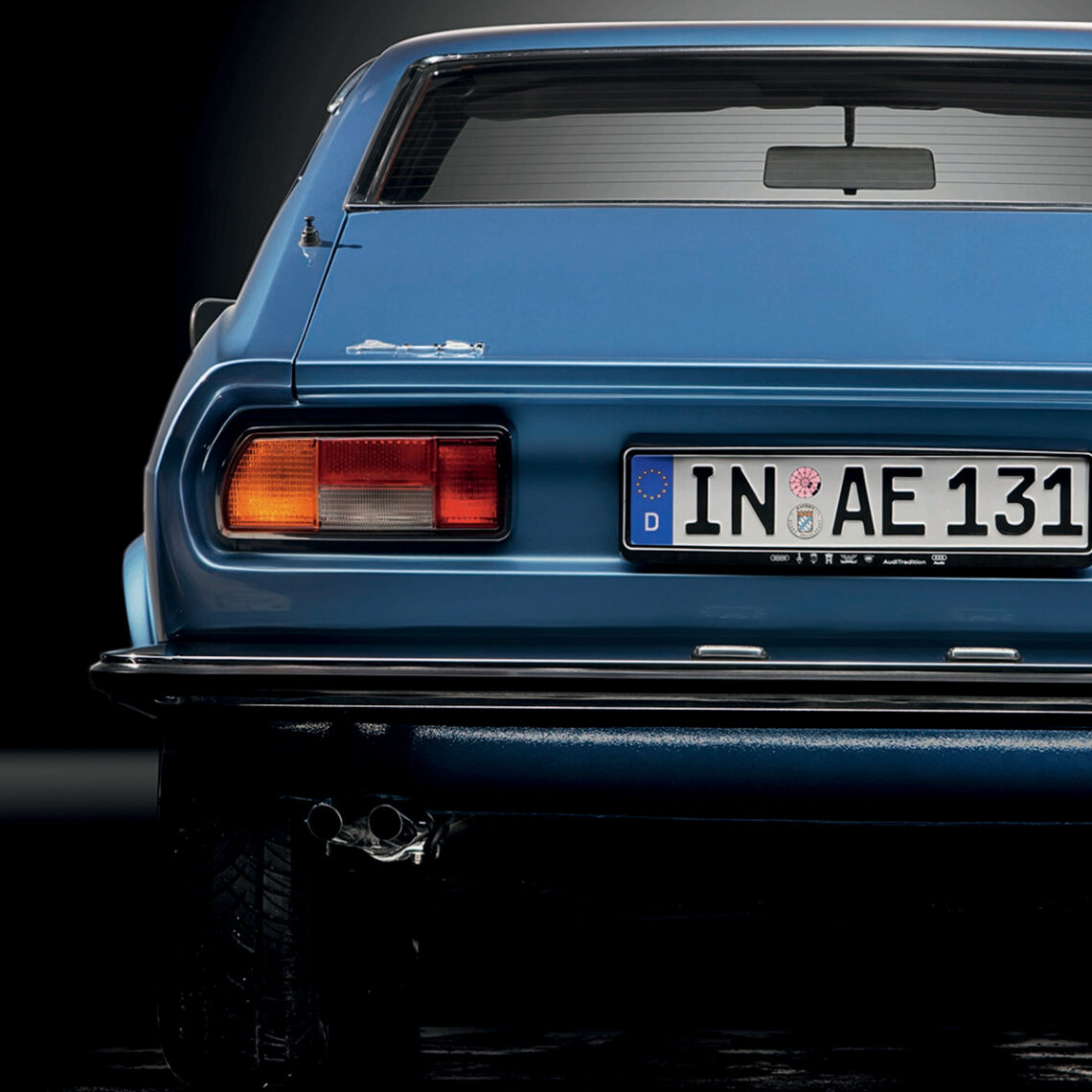
The 1970 Audi 100 Coupé S stands as a masterclass in “Pinkies Down” luxury an era where architectural drama met clinical German engineering. While the modern automotive landscape is increasingly dominated by digital interfaces and electric drivetrains, the Coupé S remains a visceral reminder of when a car’s soul was found in its silhouette and its mechanical balance.

Here is why this fastback remains the “Architect’s Choice” of the classic era.
The Italian Silhouette, The German Heart
In 1970, Audi took the world by surprise. The standard Audi 100 sedan was a conservative, reliable machine, but the Coupé S was a radical pivot toward the “Grand Tourer” lifestyle.

- Architectural Drama: The fastback design, with its aggressive “four-eye” headlight arrangement and sloping rear, was a direct nod to Italian icons like the Fiat Dino and the Aston Martin DBS.
- The Proportion: To achieve its athletic stance, Audi shortened the wheelbase by 9.4 cm compared to the sedan, creating a more compact and focused driving geometry.
- Analog Luxury: The interior rejected the plastic-heavy trends of the time, opting for high-quality wood-veneer dashboards and tactile velour, prioritizing the sensory experience of the driver.
Engineering a Modern Precedent
While many of its rivals relied on heavy rear-wheel-drive setups, the Coupé S was a pioneer of the front-wheel-drive layout that would eventually define the Audi brand.

- The Powerplant: It featured a high-compression 1.9-liter four-cylinder engine, producing 115 PS (roughly 113 hp).
- Performance: In an era of heavy iron, the Coupé S could hit 185 km/h (115 mph), making it one of the fastest production cars in the Audi fleet at the time.
- The Porsche Connection: The chassis was so capable that it was used by Porsche as a test bed for the V8 engine that would eventually power the legendary Porsche 928.
The Collector’s Reality
For a modern collector, the Audi 100 Coupé S is the ultimate “IYKYK” (If You Know, You Know) vehicle. With only 30,000 units ever produced between 1970 and 1976, it is significantly rarer than many of its contemporaries. Finding a “flawlessly finished” survivor today especially one that has survived the rust-prone steel of the 1970s is a true mark of technical stewardship.
It is a car that doesn’t scream for attention but commands it through pure, unpretentious engineering the very definition of the DLifestyle philosophy.