The legendary Circuit de Spa-Francorchamps rarely delivers a straightforward weekend, and the 2026 edition of the Belgian Grand Prix is no exception. While championship leader Andrea Kimi Antonelli dominant-stamped his authority on Saturday by storming to his sixth pole position of the season for Mercedes, the narrative behind him is defined entirely by strategic engine penalties, team reshuffles, and a heavily altered starting grid.
With Spa’s long straights providing arguably the best overtaking opportunities on the calendar, multiple teams have chosen this weekend to intentionally digest severe grid drops to refresh their power unit pools for the remainder of the season.
The Grid Drop Shakeup & The Reshuffled Final Grid
The raw qualifying order on Saturday afternoon saw Antonelli comfortably clear of Max Verstappen, with Lando Norris putting his McLaren third on the road. However, before a wheel even turns for Sunday’s race, a cascade of FIA penalties has fundamentally reshuffled the order.
- Lando Norris was hit with a 10-place grid penalty after McLaren elected to fit a fourth control electronics unit. Despite qualifying P3, the reigning champion is relegated to P13 for the race start.
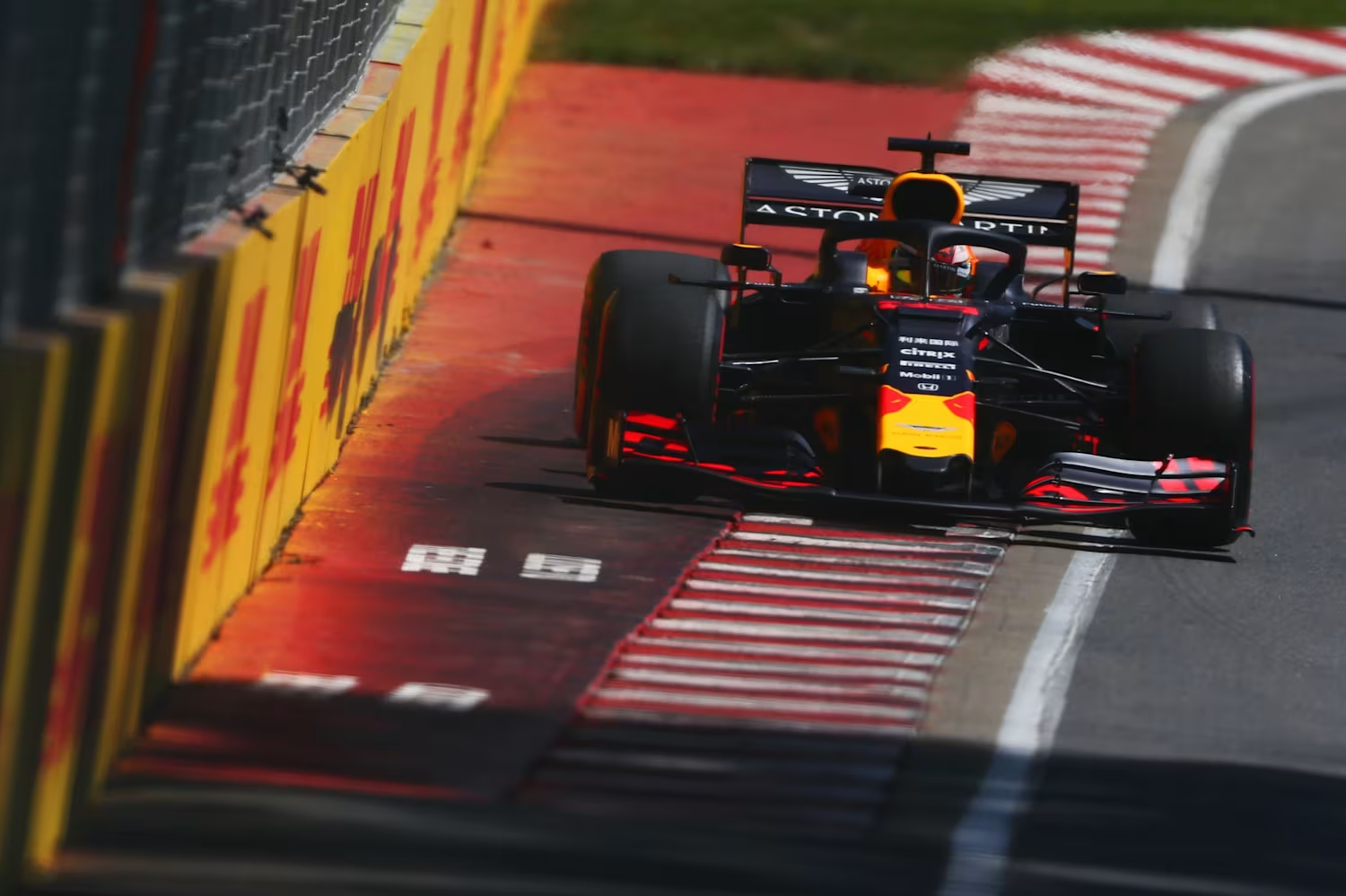
- Isack Hadjar, who impressively dragged his Red Bull into Q3 in 10th, absorbs a massive 30-place engine penalty, dropping him straight to the back row.
How the Front Grid Settles Before Lights Out
With Norris falling down the order, the front of the field gets a significant face-lift:
- Row 1: Kimi Antonelli (Mercedes) & Max Verstappen (Red Bull)
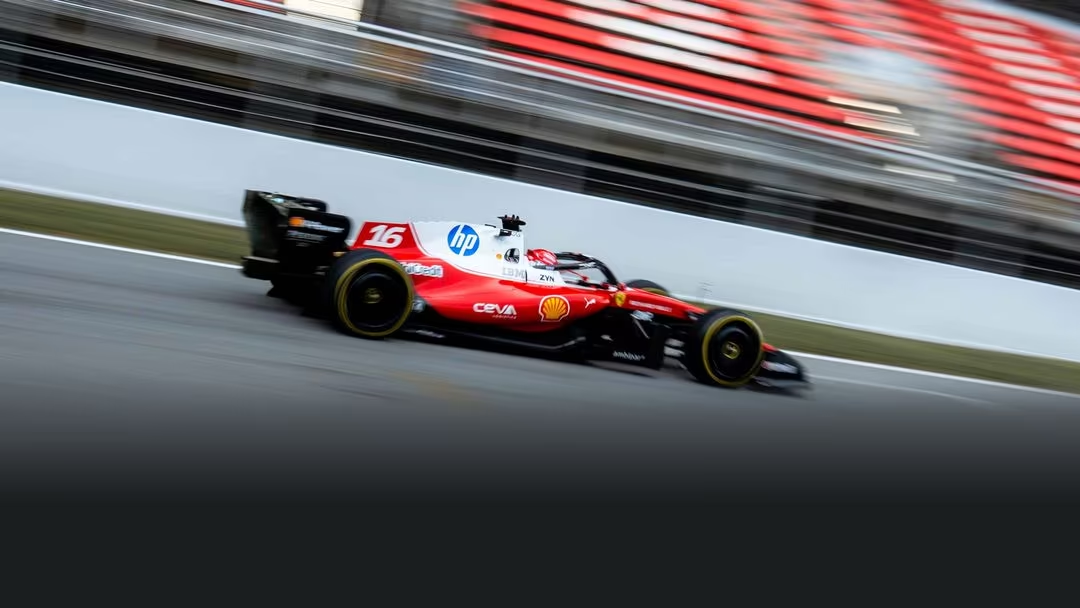
- Row 2: George Russell (Mercedes) inherits P3, alongside Charles Leclerc (Ferrari) in P4.
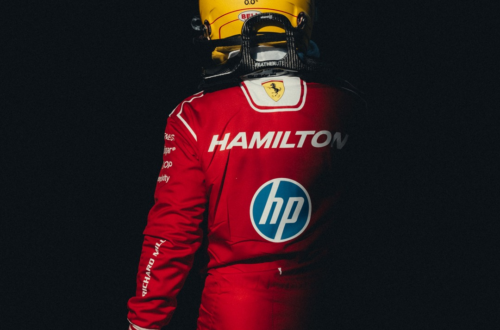
- Row 3: Lewis Hamilton (Ferrari) lines up 5th, flanked by Oscar Piastri (McLaren).
- Midfield Gainers: Promising rookies like Arvid Lindblad (Racing Bulls) and Gabriel Bortoleto (Audi) elevate into the top eight, while Liam Lawson moves up to P9 to anchor the top ten alongside Red Bull’s reshuffled midfield.
Alonso’s Grim Reality at Aston Martin
For Fernando Alonso, the 2026 trip to the Ardennes has been a weekend to forget. Aston Martin’s current campaign has been an uphill battle, and things went from bad to worse as the team opted to use Spa to completely flush Alonso’s power unit allocation.
Alonso took on a fourth energy store, a fourth control electronics unit, and a sixth power unit ancillary component. Exceeding the seasonal limit across three separate components automatically triggered a back-of-the-grid demotion.
Truthfully, the penalty does little to alter his starting reality. The Aston Martin AMR26 lacked any semblance of raw pace in qualifying, with Alonso finishing a staggering 4.1 seconds off pole in P21, just ahead of teammate Lance Stroll (who carried his own 10-place drop for an MGU-K change).
Trackside engineering chief Mike Krack offered a brutally honest assessment: > “We knew this track was going to be probably the hardest of all. We need to be realistic. You know we’re quite far off… it would be quite naive to think you can do something. We need to do our homework and wait for the time when you have a quicker car.”
With Aston Martin bracing for a painful Sunday while waiting for their heavily anticipated B-spec car, Alonso faces a long, defensive afternoon starting from the very back.
Bottas and the Cadillac Deployment Deficit
Further up the final rows, Valtteri Bottas found himself fighting mechanical gremlins in what continues to be a developmental learning year for the newly entered Cadillac Formula 1 Team.
Bottas and teammate Sergio “Checo” Perez locked out the physical 19th and 20th positions in Q1, though they will ultimately escape the final row due to the severe penalties handed to the Aston Martins and Hadjar. For Bottas, the lack of single-lap performance wasn’t just a matter of aerodynamic drag, but a lingering system issue.
Bottas revealed post-qualifying that a persistent energy deployment glitch had plagued his car since FP1. Failing to rectify the issue before the knockout session left him bleeding crucial tenths of a second down Camel Straight—a fatal flaw at a power-sensitive circuit like Spa.
Despite the straight-line deficit, Bottas remained optimistic about Cadillac’s gradual development, noting that the car’s balance over a long run feels highly consistent. With several heavy hitters starting out of position and a mixed-up midfield, Bottas and Cadillac will look to play the long game, relying on clean execution and heavy attrition to steal a result from the lower rows of the grid.