Rolls-Royce Looks to China’s Imperial Past: The Ancient Art, Paper and Craftsmanship Behind Its Next Bespoke Revolution
There is something rather extraordinary about a luxury car manufacturer looking to a thousand-year-old sheet of paper for inspiration. Yet that is precisely where Rolls-Royce Motor Cars is directing some of its attention, as it begins a multi-year creative exchange with Chinese master artisans to explore the country’s traditional craftsmanship and its potential place in the future of automotive luxury.
The British marque, renowned for turning individual client requests into extraordinary automotive commissions, is now looking beyond conventional materials and finishes. Its latest exploration begins with an exceptionally rare form of Chinese handmade paper, but the bigger ambition is to understand the artistic disciplines, cultural heritage and techniques that have survived generations.
The initiative brings together the Rolls-Royce Bespoke Collective of designers, engineers and craftspeople with the Li Keran Art Foundation, an organisation dedicated to preserving Chinese artistic heritage and traditional craftsmanship.
Importantly, this is not simply an exercise in borrowing Chinese decorative motifs. Rolls-Royce is studying the methods, materials and knowledge behind the craftsmanship itself, with the intention of discovering how those traditions might inspire new forms of Bespoke expression.
newsroom.rolls-roycemotorcars.com +1
### The imperial heritage: Chengxintang paper
The first chapter of the programme centres on Chengxintang paper, a highly regarded Chinese handmade paper associated with the imperial court.
Its history stretches back approximately 1,000 years, with the material becoming prized by Chinese calligraphers and collectors for its qualities as a surface for artistic expression.
Its historical importance is particularly striking: only one original sheet of Chengxintang paper is believed to survive today, preserved at the National Palace Museum in Taipei.
The material Rolls-Royce is studying, however, is not that surviving original. It is a modern reconstruction developed through approximately 20 years of research and painstaking experimentation.
Its origins lie in Jing County, in Anhui Province, where traditional papermaking has been practised for centuries.
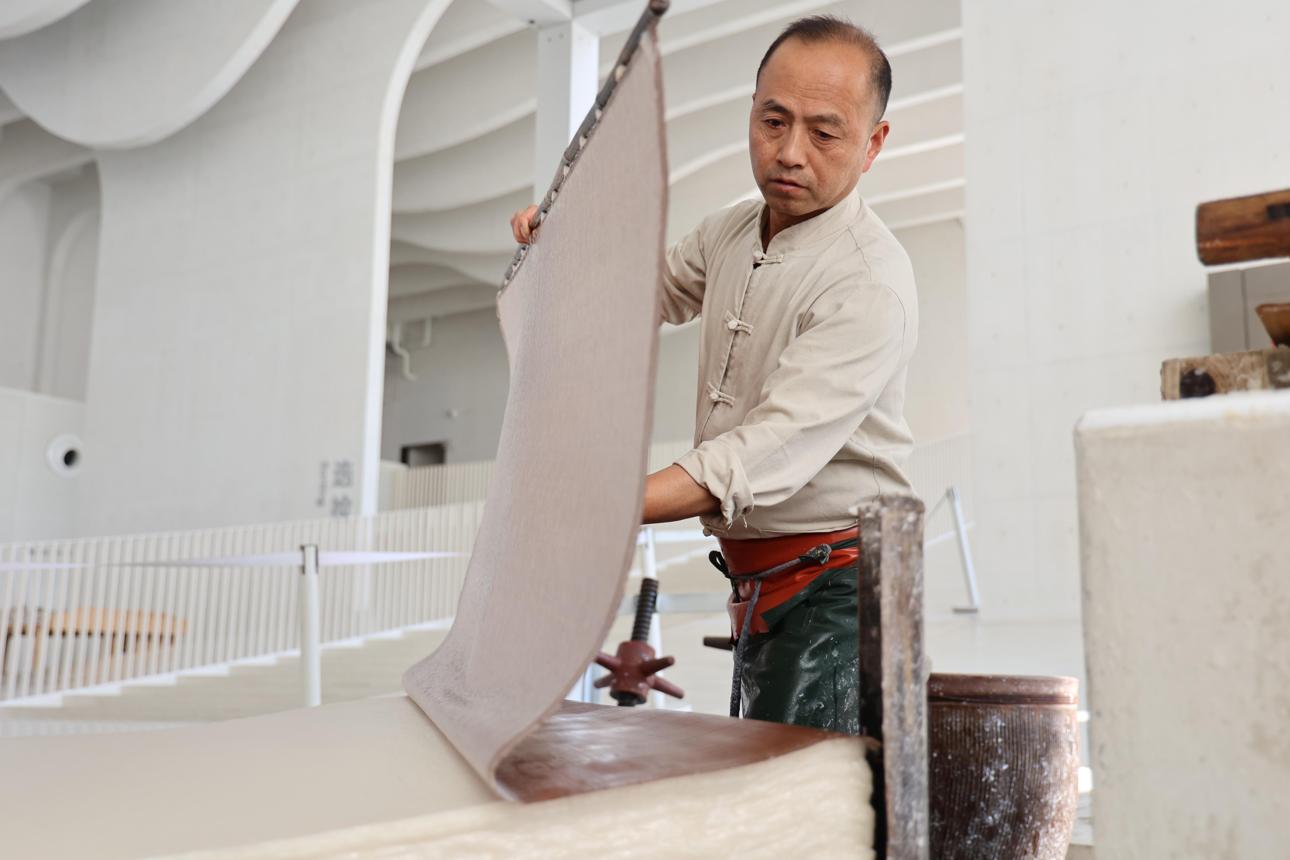
For Rolls-Royce, the attraction is not simply the paper’s rarity. It is the knowledge required to recreate it: the harvesting of bark, the preparation of natural fibres, the beating of pulp and the careful formation and pressing of individual sheets.
Members of the Bespoke Collective travelled to Jing County in the summer of 2025 to experience the process themselves, working alongside the paper masters and attempting to produce their own sheets.
The exchange subsequently continued at Goodwood, where Chinese specialists and Professor Tang Shukun, a leading scholar of traditional Chinese papermaking, shared their knowledge with Rolls-Royce craftspeople.
newsroom.rolls-roycemotorcars.com +1
### What exactly are they studying?
This is where the project becomes particularly interesting from an artistic and automotive perspective.
Chengxintang paper is not simply a decorative material. It is a medium traditionally associated with Chinese painting and calligraphy, occupying a position in Chinese art comparable to that of canvas in Western painting.
That means Rolls-Royce is exploring a material connected to several important artistic disciplines.
1\. The paper itself and its natural fibres
The artisans begin with bark, which is harvested, soaked, beaten and processed into pulp. The resulting fibres are formed into sheets through traditional methods.
For Rolls-Royce, this offers an opportunity to understand how natural fibres, surface texture, thickness and the character of a handmade material might translate into an entirely different luxury environment.
2\. Chinese calligraphy and the brush
Calligraphy is one of the most important artistic traditions associated with Chinese handmade paper.
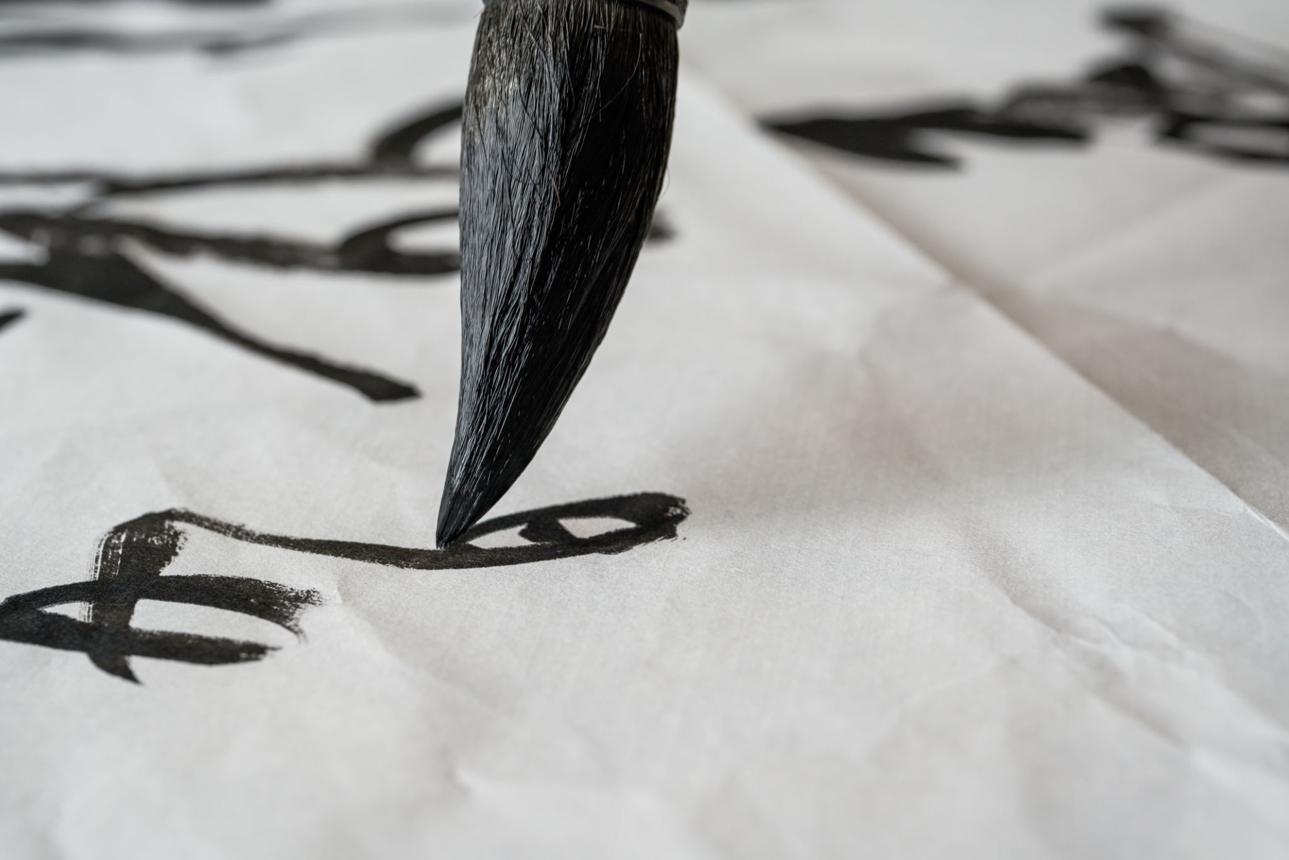
The relationship between brush, ink and paper is particularly important. The way a brush is loaded, the pressure applied, the speed of movement and the absorption of ink all contribute to the final expression.
A single stroke can be delicate and controlled, or broad, expressive and almost spontaneous.
These are relevant artistic traditions within the wider heritage Rolls-Royce is exploring. However, the company has not specifically announced a new automotive brushstroke technique or confirmed that calligraphic marks will appear on future dashboards or interior panels.
3\. Chinese ink painting and colour
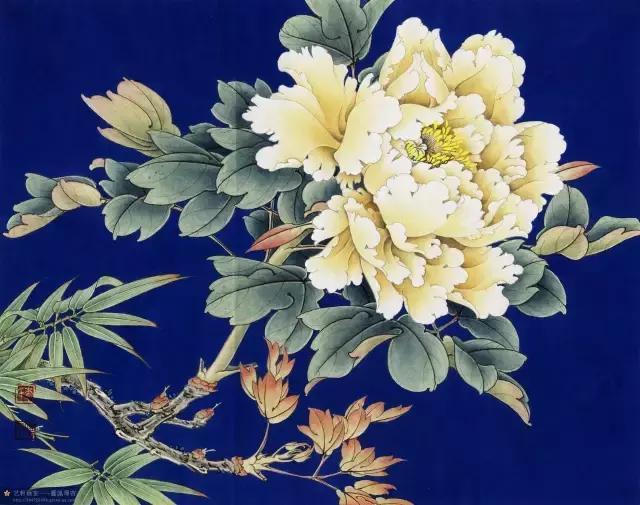
Chinese painting offers a much broader visual language than simply black ink on white paper.
Two particularly interesting traditions are:
* Shuimo painting: Ink-wash painting, using varying concentrations of ink, water and brush pressure to create depth, movement and atmosphere.
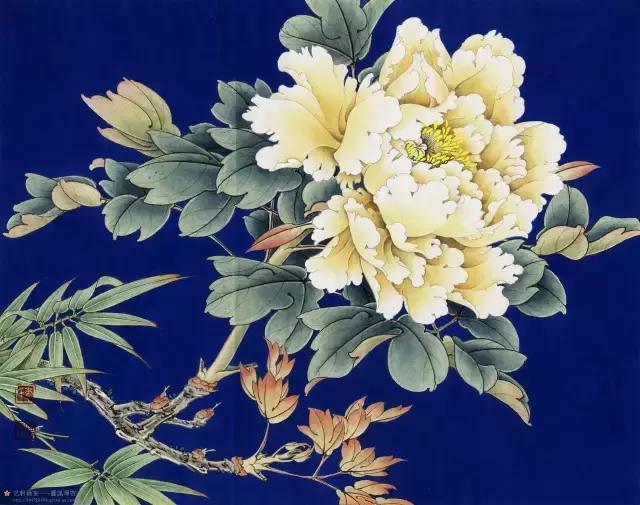
* Gongbi painting: A meticulous, highly detailed painting tradition characterised by controlled brushwork, fine outlines and carefully applied colour.
Historically, Chinese artists have also used mineral and natural pigments to produce rich blues, greens, reds, golds and other colours.
These traditions provide a fascinating artistic vocabulary for Rolls-Royce’s designers. They could inspire bespoke colour combinations, painted details, patterns and surface treatments.
But there is an important distinction: Rolls-Royce has not identified a particular Chinese pigment palette, brushstroke pattern or painting technique as a confirmed feature of this new project.
4\. Textiles, embroidery and traditional materials
China’s heritage extends well beyond papermaking.
Its traditional textile arts include silk weaving, embroidery, brocade production and intricate decorative needlework.
These are particularly interesting when considered alongside Rolls-Royce’s existing interior craftsmanship.
The company already has experience incorporating embroidered silk, bamboo-derived rayon fabrics, hand-painted leather and elaborate embroidery into its interiors.
For example, its Duality Twill fabric, available in selected Cullinan Series II and Ghost Series II interiors, can incorporate up to 2.2 million stitches and 11 miles of thread.
That provides a useful indication of how traditional textile techniques and contemporary automotive manufacturing can coexist.
Nevertheless, silk embroidery, brocade and other Chinese textiles have not been identified by Rolls-Royce as the specific materials being studied in the first Chengxintang chapter. They are examples of the broader Chinese craft heritage that future chapters of the exchange may explore.
newsroom.rolls-roycemotorcars.com +1
Why this could change the future of Bespoke
Rolls-Royce already operates in a world where the traditional boundaries of automotive interior design are largely irrelevant.
Its Bespoke Collective can develop unique paint finishes, introduce intricate marquetry, commission elaborate embroidery and create hand-painted interior surfaces.
The company has previously demonstrated that its designers can transform historical artistic references into automotive craftsmanship.
In May 2026, Rolls-Royce introduced four new craft techniques inspired by five centuries of decorative arts:
* Three-dimensional hand-sculpted leather.
* Three-dimensional hand-sculpted metal.
* Layered three-dimensional veneers.
* Beadwork application.
One of the accompanying artworks drew inspiration from 17th-century Dutch still-life paintings and historical embroidery, using individually sculpted leather flowers, hand-painted petals and hundreds of hours of craftsmanship.
Another explored Elizabethan and Jacobean decorative patterns, translating historical architectural ornament into layered wood and brass.
This is important because it demonstrates that Rolls-Royce is already investigating how historical artistic techniques can become contemporary automotive surfaces.
The Chinese collaboration takes that philosophy further, introducing an entirely different cultural and artistic heritage into the conversation.
press.rolls-roycemotorcars.com +1
### What might we eventually see inside a Rolls-Royce?
This is where speculation becomes interesting, provided we distinguish it from confirmed product plans.
Imagine a Phantom commissioned around Chinese imperial artistic heritage.
Its interior could potentially incorporate:
* A specially developed decorative surface inspired by Chengxintang paper.
* Hand-painted landscapes influenced by traditional Chinese ink-wash painting.
* Bespoke embroidery inspired by Chinese silk craftsmanship.
* Colour schemes influenced by historical Chinese paintings and mineral pigments.
* Intricate decorative patterns translated into wood marquetry, metalwork or leather.
Such possibilities would be consistent with Rolls-Royce’s existing Bespoke capabilities, but none has yet been announced as a production application of this particular collaboration.
The company has not named a future model, customer commission or launch date.
### A relationship spanning more than a century
Rolls-Royce’s relationship with China is not new. Its first motor car arrived in Shanghai during the 1920s, and the country has since become one of its most important markets.
The new collaboration with the Li Keran Art Foundation represents a deeper cultural relationship, one that extends beyond selling luxury motor cars.
The programme is designed to preserve traditional skills, bring master artisans into contact with contemporary designers and encourage the next generation to continue these practices.
The reconstructed Chengxintang paper is also being presented at the Chinese Handmade Paper exhibition in Beijing, which opened on November 19, 2026, and runs until January 10, 2027.
And this is only the beginning. Rolls-Royce has indicated that subsequent chapters will explore other living Chinese craft traditions.
newsroom.rolls-roycemotorcars.com +1
### The DLifestyle perspective: Luxury is becoming an expression of heritage
There is a distinction between decorating a luxury motor car and giving it an identity.
Rolls-Royce appears to understand that distinction particularly well. Its clients are not necessarily looking for another colour combination or a more expensive material. Increasingly, the opportunity lies in creating something that carries a personal, cultural or historical meaning.
Chengxintang paper is an interesting starting point because its value is not measured by its physical appearance alone. It is measured by the generations of knowledge required to produce it, the history it carries and the rarity of the craftsmanship behind it.
For Rolls-Royce, the challenge will be translating that heritage into something that belongs naturally inside a modern motor car without losing the authenticity of its origins.
Perhaps the most interesting thing about this collaboration is that Rolls-Royce is not simply looking for something new to put inside its cars. It is looking for something worth preserving, understanding and passing forward.
And in an industry increasingly defined by technology, electrification and digital experiences, there is something rather special about a manufacturer returning to the hands of artisans to imagine its future.
### DLifestyle Magazine editorial package
SEO title: Rolls-Royce Studies Ancient Chinese Art and Chengxintang Paper for Future Bespoke Cars
SEO slug: `rolls-royce-chinese-heritage-chengxintang-paper-bespoke`
Meta description: Rolls-Royce explores China’s imperial paper-making heritage, traditional calligraphy, painting and craftsmanship through a new collaboration with Chinese master artisans.
Tags: Rolls-Royce, Bespoke, Chinese Heritage, Chengxintang Paper, Luxury Automotive, Traditional Craftsmanship, Chinese Art, Automotive Design, Luxury Interiors.
Featured image concept: A Rolls-Royce Phantom interior alongside a master Chinese artisan making traditional handmade paper, with calligraphy brushes, ink and delicate paper textures in the foreground.
Sources and further reading:
* [Rolls-Royce – Official announcement of its creative exchange with Chinese master artisans](https://newsroom.rolls-roycemotorcars.com/rolls-royce-announces-a-multi-year-creative-exchange-with-chinese-master-artisans/?utm_source=chatgpt.com).
* [Rolls-Royce – Four new Bespoke crafts inspired by five centuries of decorative arts](https://www.press.rolls-roycemotorcars.com/rolls-royce-motor-cars-pressclub/article/detail/T0457690EN/rolls-royce-introduces-new-bespoke-crafts-inspired-by-five-centuries-of-decorative-arts?language=en&utm_source=chatgpt.com).
* [Rolls-Royce – The pursuit of perfection: craftsmanship at Goodwood](https://newsroom.rolls-roycemotorcars.com/the-pursuit-of-perfection–craftsmanship-at-the-home-of-rolls-royce/?utm_source=chatgpt.com).
* [China Daily – Rolls-Royce pays homage to ancient paper craft](https://www.chinadailyhk.com/upload/main/pdf/2025/11/17/947dd20c9a16d2bde984708bff3a50cb.pdf?utm_source=chatgpt.com).
Editorial note: The article distinguishes the confirmed Chengxintang paper research from other Chinese artistic traditions and Rolls-Royce’s separately documented textile and decorative techniques. No unannounced interior materials are presented as confirmed future products.
11
11
11
11