In an automotive landscape defined by paddle-shift algorithms, electric torque vectoring, and sub-two-second acceleration figures, the hypercar elite have spent years chasing clinical perfection. However, every so often, a release comes along that steps out of the digital arms race and delivers a profound mechanical reality check.
Fresh off the lawn at Monterey Car Week, McLaren Automotive dropped its most surprising statement in decades: the McL 6GT.
The First Three-Pedal McLaren Since the F1
The primary headline of this reveal isn’t a record-shattering quarter-mile time or active aero claims. It is a piece of hardware that McLaren hasn’t installed in a road car since Gordon Murray’s legendary F1 debuted in 1992: an authentic six-speed manual gearbox.
Where competitors have experimented with shift-by-wire simulations and dual-clutch tricks, McLaren’s second press release bullet point throws direct shade at the industry with two simple words: “Authentic manual.”
===================================================================
McLAREN McL 6GT
===================================================================
Powertrain : Pure Internal Combustion V8 (RWD)
Transmission : 6-Speed Gated Manual Gearbox
Steering : Pure Hydraulic Power-Assist
Construction : Full Carbon Fiber Tub & Bodywork
Heritage Link : 1969 McLaren M6GT (Bruce McLaren’s Personal Road Car)
Status : Prototype Previewing 2028 Production Series (500 Units)
Estimated Price : ~$1.5 Million USD
===================================================================
Positioned between the seats sits an exposed aluminum gear lever with visible shift linkages and bushings. There are no paddle shifters lurking behind the steering wheel. Power flows strictly from an un-electrified V8 engine directly to the rear wheels, steered via old-school hydraulic assistance rather than an electronic rack.

Finishing What Bruce McLaren Started
To understand why this car exists, you have to look back to 1969. Company founder Bruce McLaren sought to build the world’s fastest road car—the M6GT—based on his championship-winning Can-Am racing chassis. Tragically, Bruce was killed in a testing crash in 1970 before production could ever begin, leaving behind only three prototypes and an unfinished vision.
The McL 6GT is Woking’s definitive answer to that 57-year-old piece of unfinished business.
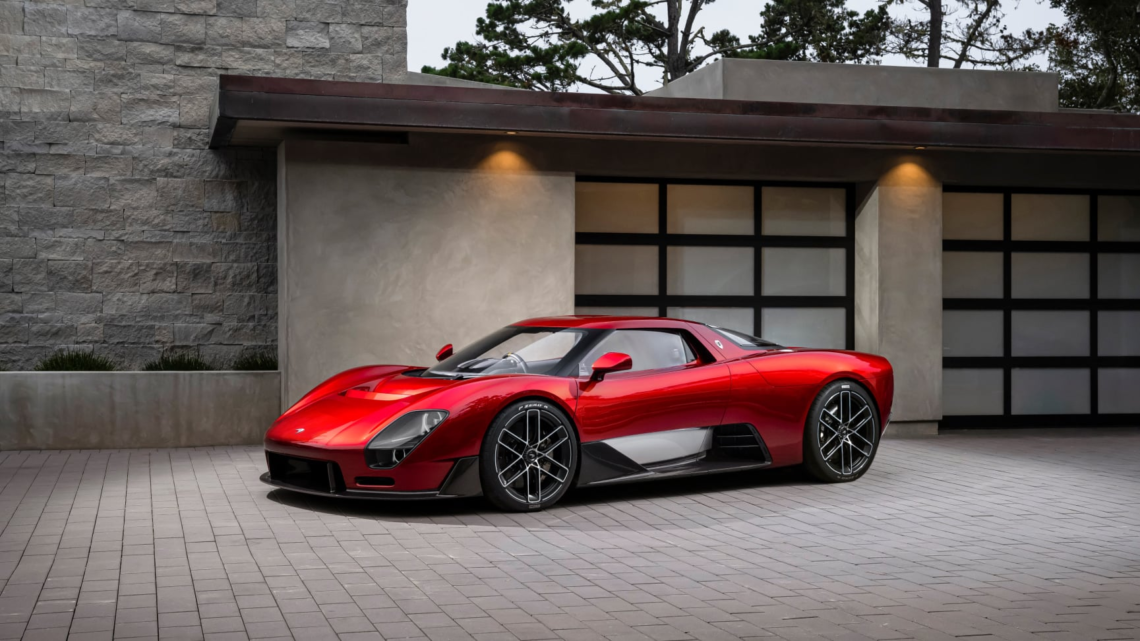
- The Design Language: Replaces modern scalloped aero headlight buckets with a clean, low-slung nose and horizontal strakes inspired by ’60s sports prototypes.
- The Kamm Tail: Features a sweeping rear deck ending in a sharp Kammback silhouette, flanked by a fixed low-profile wing and dual ovoid exhausts.
- Historical Easter Eggs: Etched into the fuel filler cap is the original “Speedy Kiwi” badge, while Bruce McLaren’s signature is engraved directly onto the engine bay.
The Shift Back to Tangible Emotion
Consequently, the arrival of the McL 6GT signal-boosts a massive trend across high-end motoring: the shift away from digital speed toward visceral, tactile connection.
Much like the themes explored in The Beautiful Terrifying Shift, true progress in luxury design isn’t always about moving forward blindly—sometimes it’s about the courage to pivot back to raw human engagement. It is a philosophy reflected in editorial perspectives like The Saturday Morning Reprieve: A Stroll to the Summit with Mika.in.Paris and The Chat: The Silent Game and Our Disconnect: when everything becomes automated and effortless, physical interaction becomes the ultimate luxury.
While customer deliveries aren’t slated to begin until 2028 (capped strictly at 500 units globally at roughly $1.5 million each), McLaren’s surprise Monterey reveal made one thing undeniably clear: the three-pedal supercar is back, and it carries the blessing of Bruce McLaren himself.