
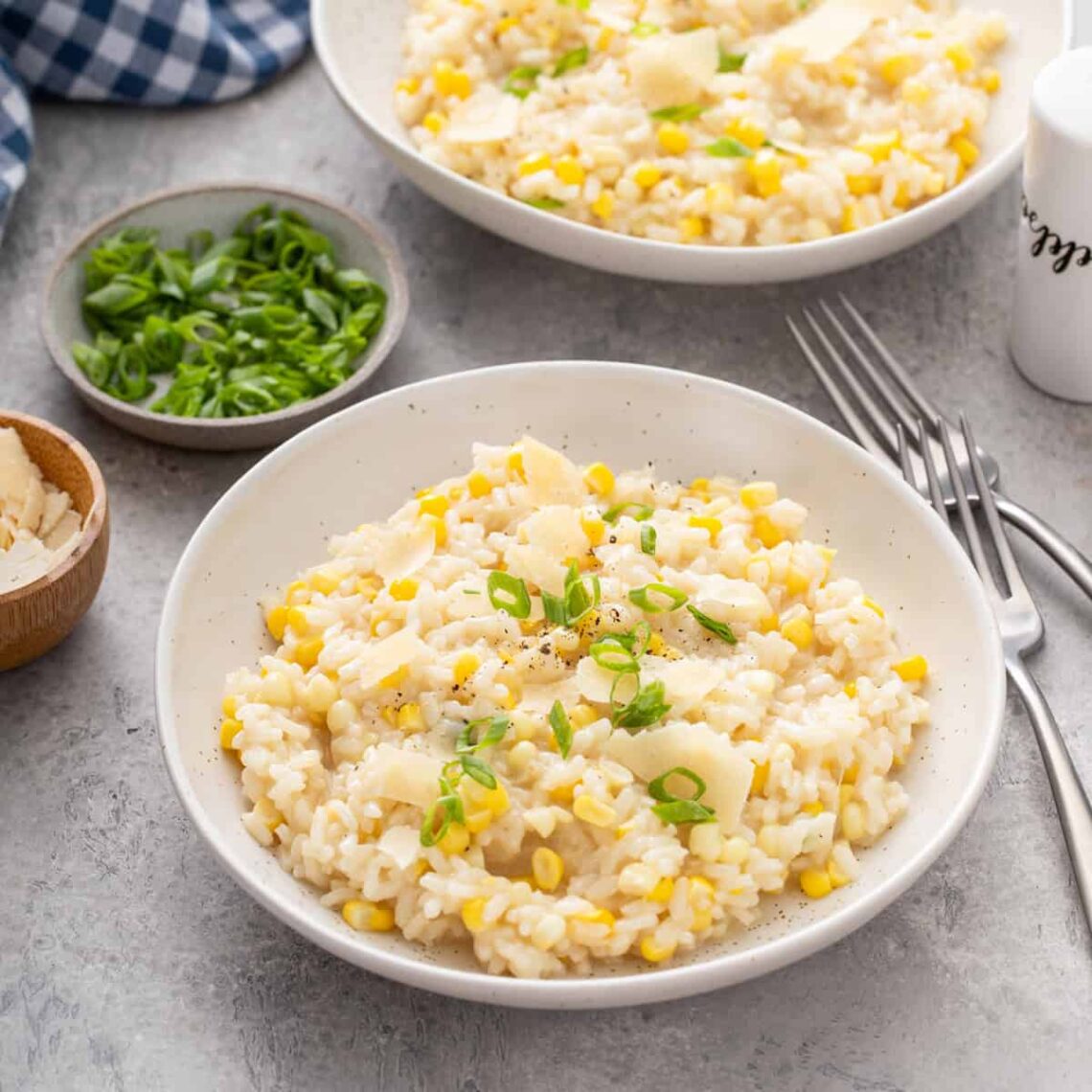
Risotto is the undisputed king of northern Italian comfort food. Unlike pasta, which dominates the south, risotto is a product of the unique geography of the Po Valley. It is a dish that represents the marriage of Islamic agricultural influence and European culinary refinement.
The Origins: From the East to the Po Valley
The story of risotto begins with the introduction of Short-Grain Rice to Italy.

- The Silk Road and the Moors: Rice was not native to Europe. It was brought to Sicily by Arab traders around the 13th century. However, the humid, swampy climate of the south wasn’t ideal for large-scale rice cultivation.
- The Move North (1400s): By the late 15th century, rice moved north to the Po Valley (encompassing Lombardy, Piedmont, and Veneto). The marshy, water-rich plains provided the perfect environment.
- The “Arroz” Influence: Early rice dishes in Italy were influenced by Spanish Arroz (like Paella), which were often baked or cooked in large pots without much stirring.
The Birth of the “Risotto Method” (1800s)
The risotto we recognize today creamy, velvety, and cooked via the gradual addition of broth—didn’t fully materialize until the 19th century.

- 1809: The first definitive recipe for Risotto alla Milanese appeared in the cookbook L’Onorato Cuoco. Legend has it that a young glassblower’s apprentice used saffron (typically used for staining stained glass) to color the rice at a wedding feast, giving birth to the iconic golden dish.
- The Industrial Revolution: Improved milling technology allowed for the isolation of specific high-starch rice varieties like Arborio, Carnaroli, and Vialone Nano. These grains are essential because they contain high amounts of amylopectin, a starch that releases during stirring to create the signature sauce.
The Evolution: Pastry and Modern Comfort
In recent decades, risotto has transcended its status as a simple “first course” (Primi) and entered the realm of high-concept dining and sweet treats.
1. Risotto as a “Pastry” (Sweet Risotto)
While savory is the norm, the tradition of Risotto Dolce has seen a revival.

- Traditional Roots: Historically, rice was boiled in milk and sweetened with honey as a medicinal dish.
- Modern Twist: Today, pastry chefs use the risotto technique with milk, vanilla, and citrus zest, finishing it with white chocolate or fruit coulis instead of butter and cheese. It results in a dessert that is far more sophisticated and creamy than a standard rice pudding.
2. The Comfort Evolution: Arancini and Suppli
The evolution of risotto comfort food is best seen in its “second life.” Leftover risotto is never wasted; it is transformed into:
- Arancini (Sicily): Saffron-infused risotto balls stuffed with ragù, breaded, and deep-fried.
- Supplì (Rome): Long, oval risotto croquettes filled with mozzarella that “strings” when pulled apart (called supplì al telefono).
3. Where It Is Now: “L’Onda”
In modern Italian gastronomy, the “perfect” risotto must be all’onda (like a wave). This means the rice should not be a stiff clump; when you shake the plate, the rice should move in a fluid, ripple-like motion. It has moved from being a heavy peasant meal to a technical masterpiece that requires precise timing.
Quick Reference: The Four Pillars of Risotto
| Step | Term | Purpose |
| Toast | Soffritto & Tostatura | Toasting the rice in fat to seal the grain so it doesn’t turn to mush. |
| Deglaze | Sfumare | Adding wine (usually dry white) to provide acidity and depth. |
| Hydrate | Brodo | Gradually adding hot broth and stirring to release the starch. |
| Finish | Mantecatura | The final “beating” of cold butter and cheese off the heat to create the emulsion. |