Forget the roar of the engine and the glint of chrome (just for a sec!). There’s a whole universe of artistry unfolding on the surfaces of cars, a vibrant canvas that transforms everyday vehicles into moving masterpieces. When we talk about car culture in places like Japan and London, it’s not just about what’s under the hood, but the incredible visual stories told on the exterior.

Think about the sleek, powerful lines of a performance car, now imagine it draped in a narrative that blends ancient tradition with modern flair. In Japan, this artistic expression often dives deep into cultural roots. We see incredible hand-drawn pieces, meticulously detailed and brimming with symbolism. Imagine a powerful dragon coiling along the side panel, or perhaps the twelve animals of the Japanese zodiac, each rendered with a unique contemporary twist, reflecting the owner’s personality or aspirations. These aren’t just stickers; they’re intricate works of art that speak volumes, often turning a daily driver into a personal gallery on wheels. It’s a testament to patience and an homage to a rich artistic heritage, creating truly unique “rolling sculptures” that catch your eye and spark conversation.


Across the globe, London’s car culture echoes this artistic sentiment but with its own distinct metropolitan pulse. The city’s famed street art scene finds its way onto vehicles, transforming them into mobile murals. Here, it’s all about bold statements and dynamic compositions. Graffiti-style lettering, abstract shapes, and vibrant color palettes splash across panels, drawing on the raw energy of urban environments. These cars become extensions of the city’s artistic landscape, embodying the rebellious spirit and creative freedom often associated with street art. It’s an ever-evolving gallery that zips through the city streets, a vibrant counterpoint to the more traditional art spaces.
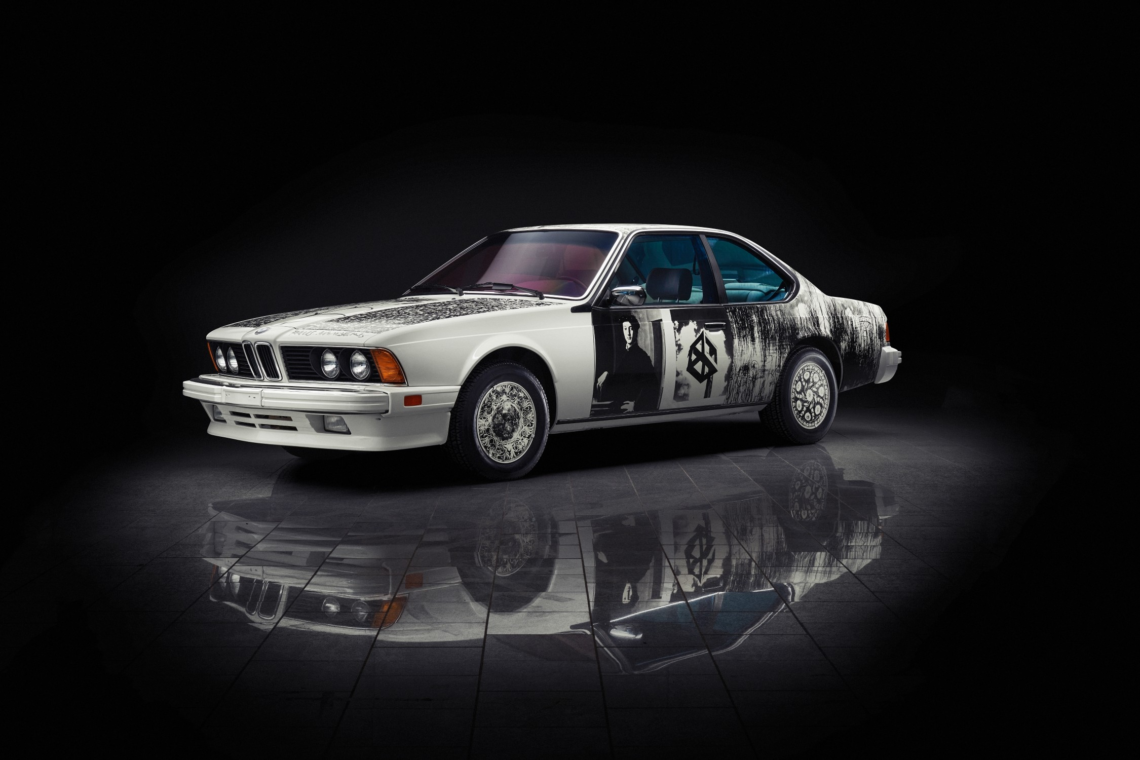
The idea of a car as a canvas isn’t new. BMW’s Art Car collection, for example, has been celebrating this fusion for decades, transforming high-performance vehicles into iconic art pieces. Robert Rauschenberg’s 1986 BMW Art Car #6, recently premiered in Asia as part of the Art Car World Tour, is a prime example. He famously blended art history, photography, and everyday culture onto a BMW 635CSi, creating what he called a “drivable museum.” This kind of visionary approach perfectly encapsulates how artists see the car as more than just transportation—it’s a medium for expression, blurring the boundaries between art and life itself.

If you’re curious to dive deeper into how brands like BMW embrace this cultural engagement, you can explore more about their initiatives. They share exclusive updates and deeper insights into their global projects on Instagram at @BMWGroupCulture, and more information can be found on their cultural engagement websites: www.bmwgroup.com/culture and www.bmwgroup.com/overview. For general press information, their media website is www.press.bmwgroup.com/global. You can also find more about Art Basel at artbasel.com. The BMW Group also maintains a strong digital presence, including their main website www.bmwgroup.com, and social channels like (http://www.linkedin.com/company/bmw-group/), (https://www.youtube.com/bmwgroup), (https://www.instagram.com/bmwgroup), and X (formerly Twitter).
Whether it’s the profound symbolism of Japanese zodiac art or the electrifying energy of London’s graffiti scene, the artistic side of car culture is a powerful, captivating force. It’s a celebration of individuality, creativity, and the unexpected places where art can truly thrive.