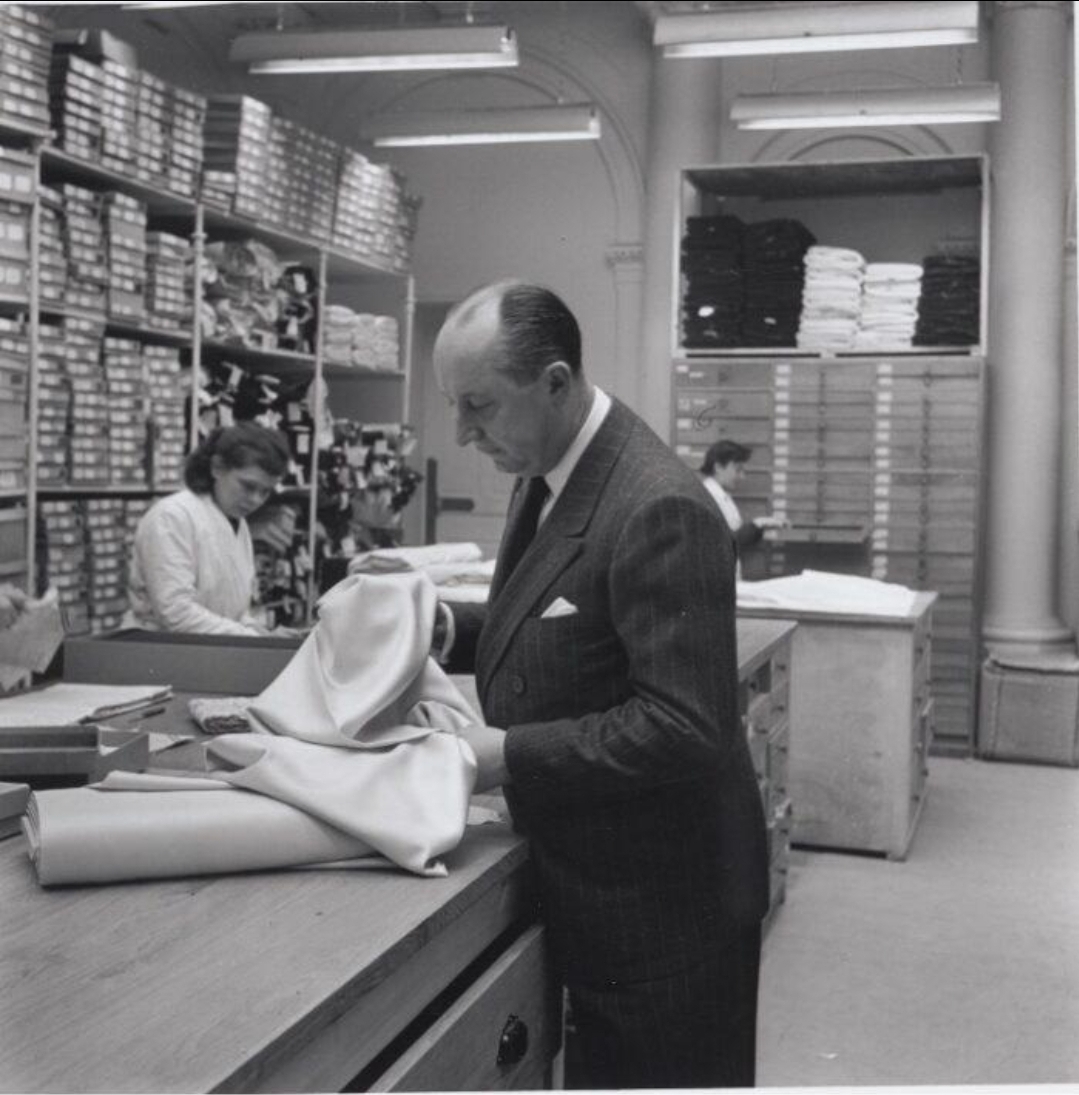
To understand the value of Zehnacker’s partnership with Dior, we must first appreciate the institution in which it developed.
Lucien Lelong was more than a couturier running a successful Parisian fashion house. During the German occupation, he became one of the central figures defending the continued existence of French haute couture.
The German authorities sought to diminish Paris’s position as the centre of the fashion industry, with plans that threatened to transfer couture operations and skilled workers to Berlin and Vienna. Lelong opposed those efforts, arguing for the preservation of the French industry’s independence and the livelihoods that depended upon it.
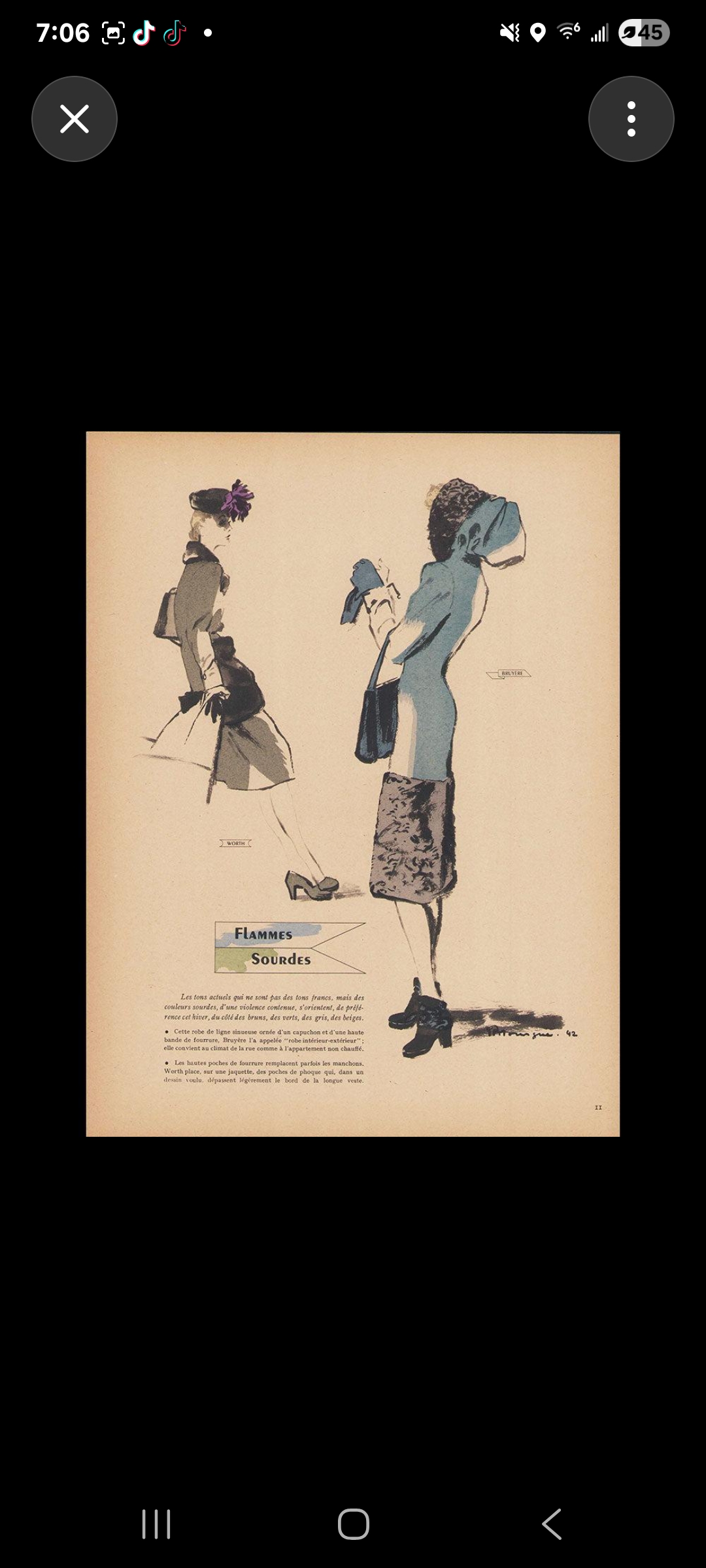
The circumstances were extraordinarily difficult. Fabric shortages, restrictions on production, limits on the number of garments presented and the collapse of much of the international luxury market placed immense pressure on the houses that remained operational.
Yet couture continued.
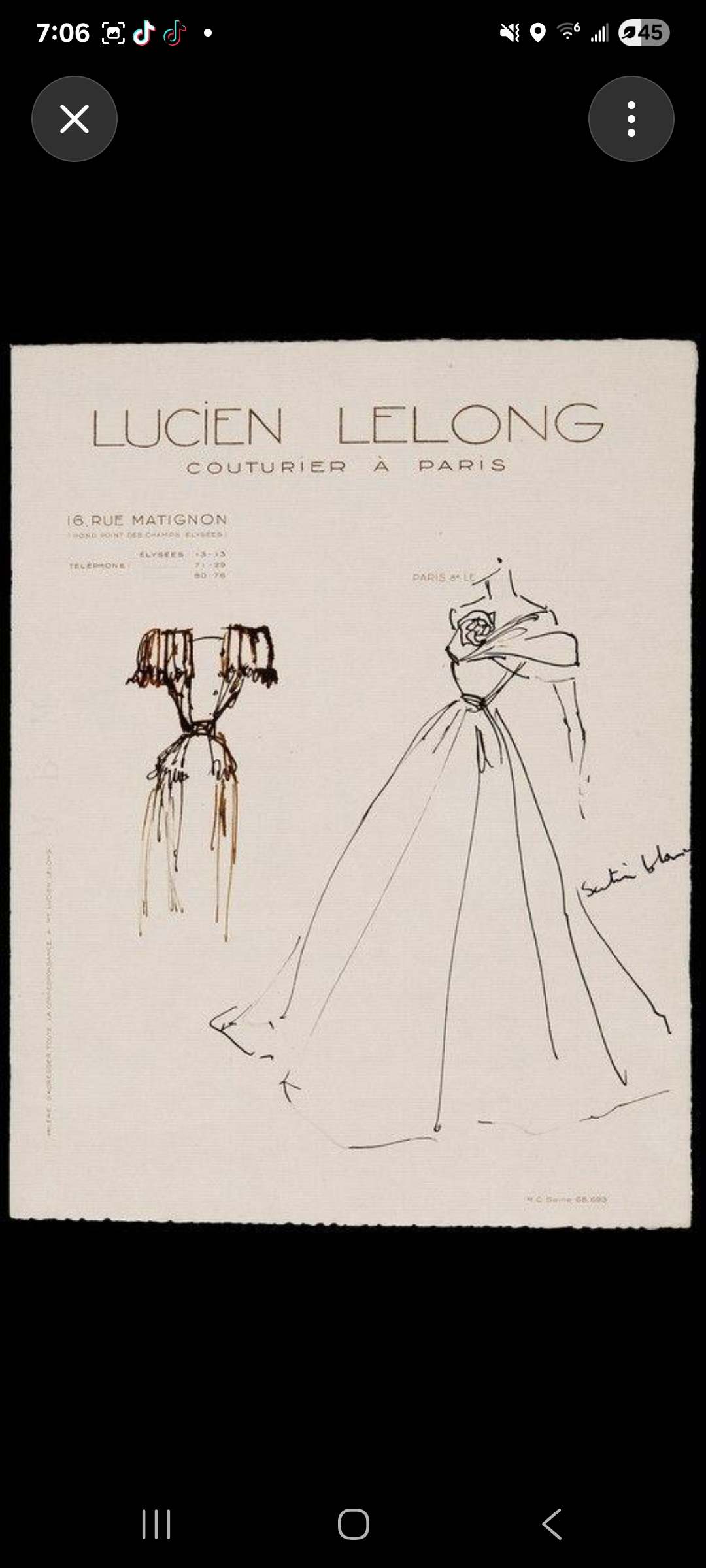
The Centre d’Histoire de la Résistance et de la Déportation in Lyon documents the pressures placed on Parisian couture during the occupation and Lelong’s opposition to attempts to subordinate the industry. The National Gallery of Victoria’s history of the House of Dior likewise recognises Lelong’s role in protecting French couture.
For Dior, this experience was formative. In his autobiography, he remembered that neither he nor Balmain would forget that Lelong had taught them their profession despite wartime restrictions and the constant fear that the business might suddenly close.
This is the context in which Dior and Zehnacker’s professional relationship should be understood. It was not born in the comfortable surroundings of a successful postwar fashion empire. It developed within an industry whose survival depended upon discipline, resourcefulness and the ability to make extraordinary work under severe constraints.
The war also exposed an important truth about fashion: a designer’s talent alone cannot sustain a couture house. There must be people who understand the work, protect its standards, coordinate its production and keep the organisation functioning when circumstances threaten to overwhelm it.
Lelong’s house provided that education. Dior absorbed the lessons of couture; Zehnacker demonstrated the qualities that would make her indispensable to him.
And when Dior eventually prepared to establish a house of his own, the professional relationship forged at Lelong would prove strong enough to follow him into an entirely new undertaking.