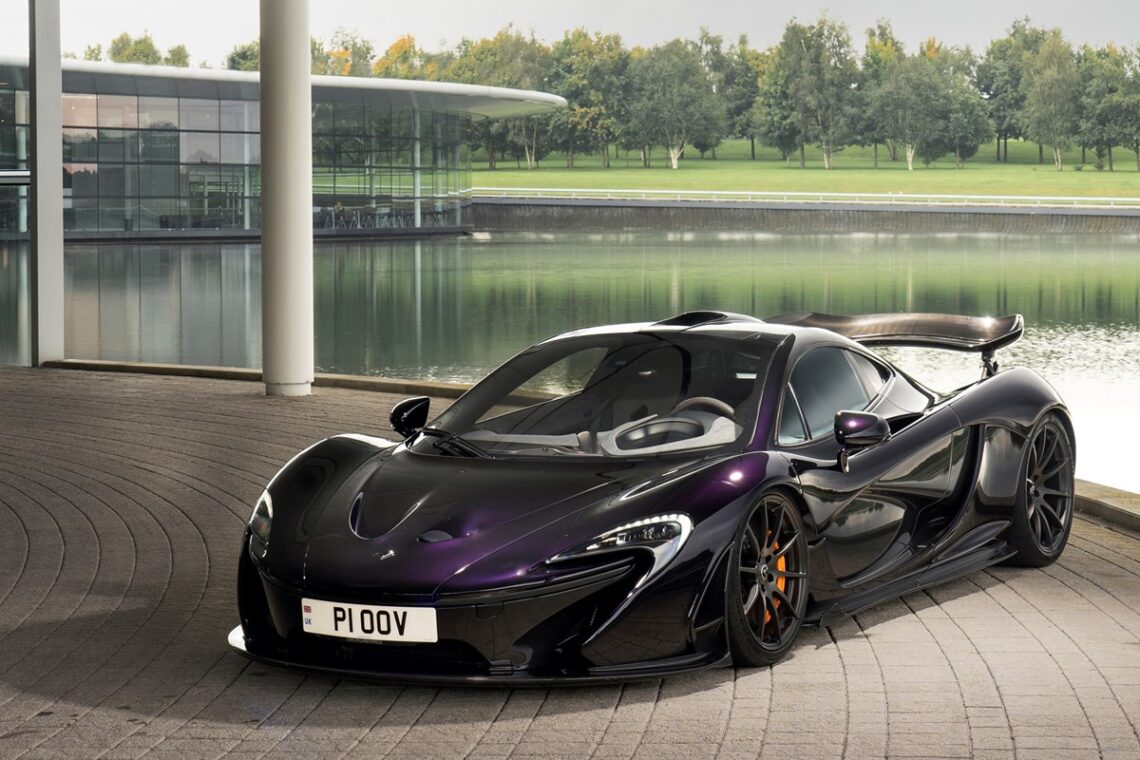
The recent release of McLaren’s cinematic teaser, “The Ones Who Rise,” has ignited a fierce debate across the industry. While the technical world points to the newly unveiled W1 as the official heir to the throne, a deeper look at the footage and the unexpected face appearing in the shadows suggests a different story.
If the W1 is the commercial flagship, then what was hinted at in the presence of SangYup Lee is something else entirely: the true Widow Maker 2.0.
The SangYup Lee Factor: A “Pinkies Down” Collaboration?
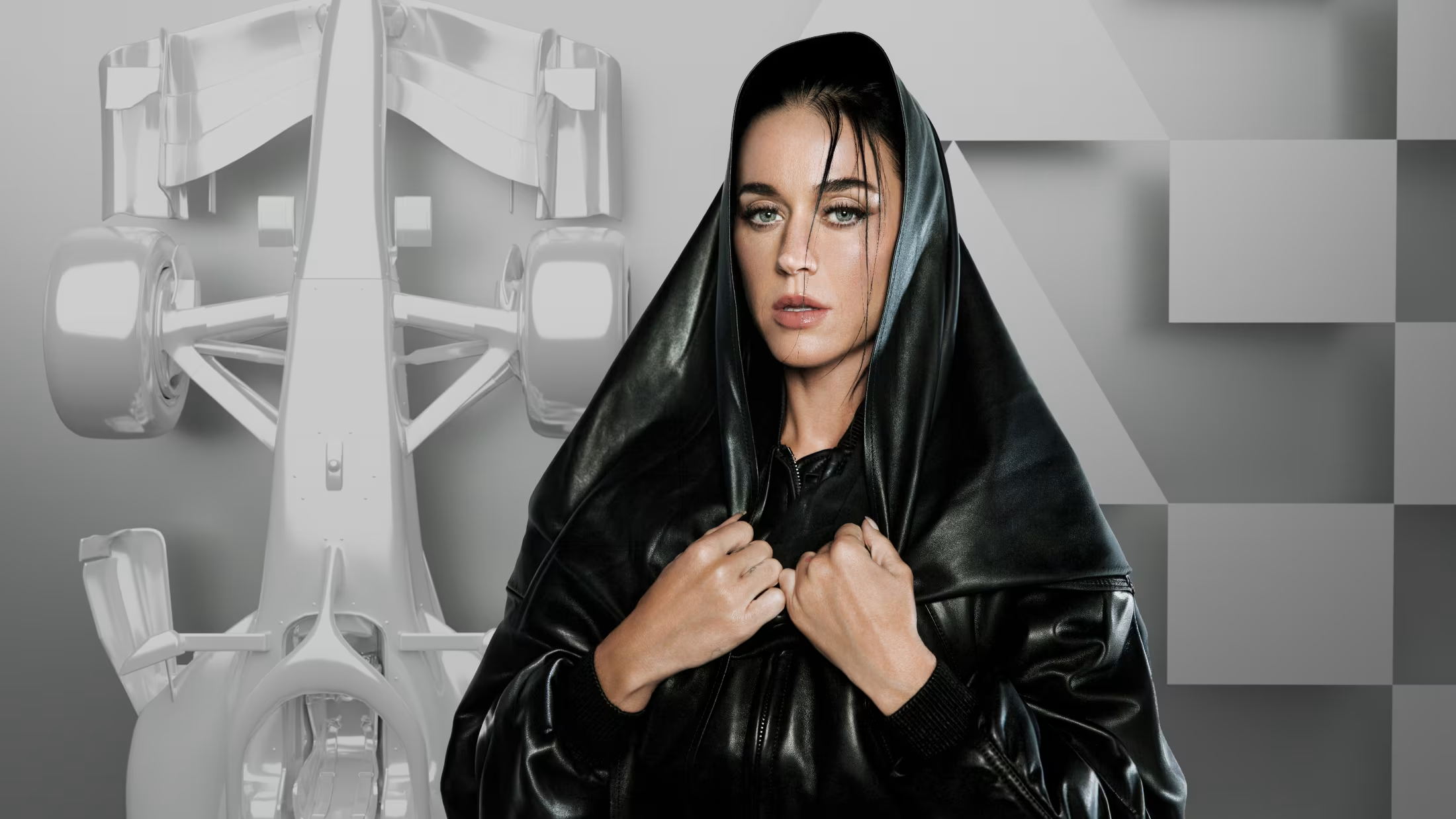
The most shocking element of “The Ones Who Rise” isn’t a car, but a person: SangYup Lee. Known as the Head of Design for Hyundai and Genesis, Lee’s appearance in a McLaren-centric narrative is a seismic shift.

Lee is the master of “structural” beauty and the man behind the N Vision 74 a car that proved retro-technical design can still have a soul. His presence in the Woking orbit suggests a cross-pollination of philosophies. If Lee is lending his “Sensuous Sportiness” and grounded, technical eye to the McLaren lineage, we are looking at a machine that rejects the sanitized aesthetic of the modern hypercar. This is a collaboration built on the “Pinkies Down” philosophy: technical sophistication without the pretense.
The “W1” vs. The Spirit of the P1
To many purists, a successor isn’t defined by lap times alone; it’s defined by a specific brand of mechanical violence. The W1, for all its 1,275 hp and advanced “Race Active Chassis Control,” is a masterpiece of management. It is designed to be usable.


The original P1, however, was an anomaly. It was a rear-wheel-drive riot that demanded respect. By bringing SangYup Lee into the fold a man famous for rejecting “Russian Doll” design in favor of unique, character-driven “Chess Pieces” McLaren is signaling a return to the P1’s “unhinged” DNA. The teaser doesn’t just showcase engineering; it showcases a grit and a structural intensity that feels more aligned with Lee’s work on high-performance concepts than the W1’s functional aero.
The Triad Theory: NVIDIA, F1, and the WEC
The real story lies in the boardroom. The theory remains that a triad between NVIDIA, the World Endurance Championship (WEC), and Formula 1 is brewing a machine that exists outside the standard production cycle, now with Lee’s aesthetic guidance.

By leveraging NVIDIA’s Omniverse to create a “Digital Twin,” McLaren and Lee are simulating physics that shouldn’t exist in a road car. This isn’t just about energy mapping; it’s about using 2026 F1 power unit logic the 50/50 split between internal combustion and electric recovery to create power delivery so sudden it makes “straight electric” hypercars look one-dimensional.
The Verdict: A Legacy in the Shadows
If you don’t consider the W1 a successor, you aren’t looking at the stats you’re looking at the soul. While the W1 takes the spotlight, “The Ones Who Rise” hints at a project born from the silicon shadows, WEC endurance roots, and the visionary eye of SangYup Lee.
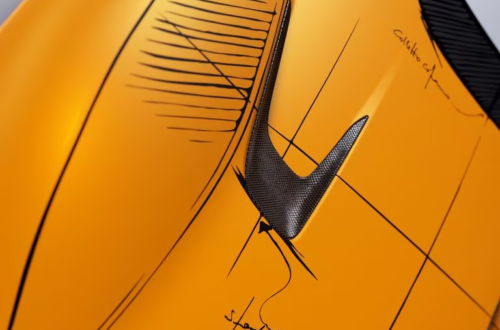
McLaren isn’t just building a faster car; they are engineering a return to the “Widow Maker” philosophy with a designer who knows how to make technology feel warm, dangerous, and human. The W1 might be the car they sold to the world, but the machine Lee is sketching in the background is the one that will actually haunt it.