While Belgium’s pastry history stretches back to the Middle Ages, its global dominance in chocolate desserts is a story of 20th-century innovation. From the invention of the filled chocolate to the perfect temperature of a chocolate lava cake, Belgium has turned cocoa into an art form.
1. The Praline: The Crown Jewel (1912)
Unlike the French praline (which refers to caramelized nuts), the Belgian Praline is a chocolate shell filled with a soft center.
- The Inventor: Jean Neuhaus II, who in 1912 replaced the metal pharmaceutical molds of his grandfather’s shop with chocolate shells filled with “ganache.”


- The Ballotin: To protect these delicate creations, Neuhaus’s wife Louise Agostini invented the ballotin box in 1915, which remains the standard for chocolate gifting today.

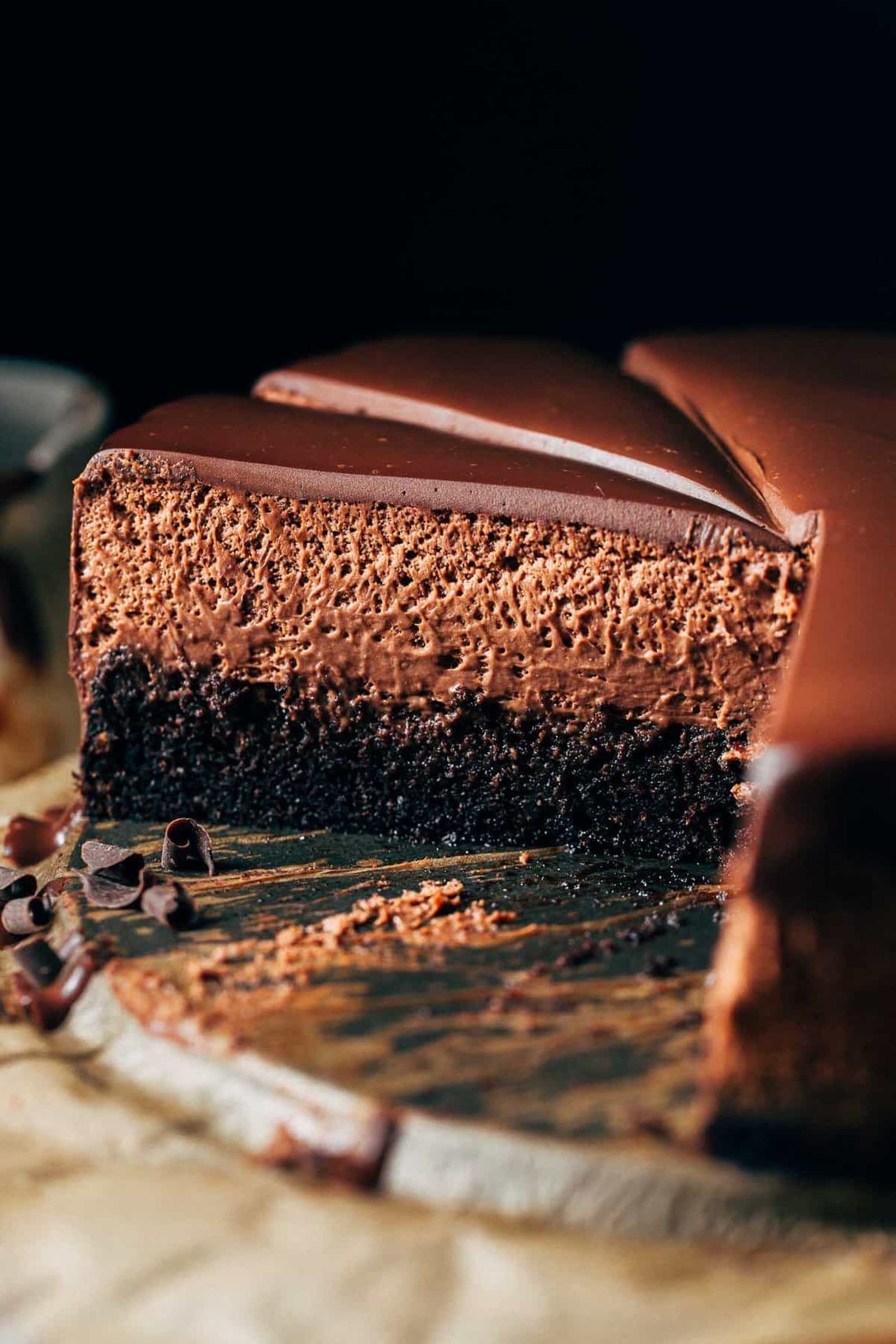
2. Belgian Chocolate Mousse (Chocolademousse)


Often considered the gold standard of the dessert world, a true Belgian mousse is distinct for its intensity and texture.
- The Secret: Traditional recipes eschew heavy creams in favor of high-quality dark chocolate (minimum 70% cocoa), egg whites, and a touch of butter.
- The Texture: It must be aerated yet dense enough to hold its shape, often served in a large communal bowl in Belgian brasseries.
3. Moelleux au Chocolat (The Lava Cake)


Though claimed by various French chefs, the Moelleux is a staple of Belgian high-end dining.
- The Belgian Twist: Using Belgian Couverture chocolate ensures a higher cocoa butter content, resulting in a center that stays liquid at a lower temperature.
- The Experience: It is almost always served with a side of cold vanilla bean ice cream to provide a temperature contrast known as chaud-froid.
4. Dame Blanche: The Elegant Classic
The “White Lady” is perhaps the most beloved restaurant dessert in Belgium. While it sounds simple, the quality of ingredients makes it iconic.


- The Components: * Vanilla Ice Cream: Must be real bourbon vanilla.
- The Sauce: A hot, thick ganache made from melted Belgian dark chocolate (not a commercial syrup).
- The Garnish: Whipped cream and occasionally a thin, crispy sigarenkoekje (biscuit roll).
5. Chocolate-Dipped Fruit: The Coastal Tradition
In seaside towns like Ostend and Knokke, “fruits déguisés” (disguised fruits) are a local favorite.
- The Treat: Fresh Belgian strawberries or dried dates are hand-dipped in tempered dark or white chocolate.
- The Technique: The snap of the chocolate shell against the soft fruit is the hallmark of a master chocolatier.
Iconic Belgian Chocolate Houses
For those seeking the authentic source of these flavors, these houses remain the standard-bearers:
- Neuhaus: The birthplace of the praline.
- Mary: The first female-founded chocolatier and a favorite of the Belgian Royal Family.
- Wittamer: Known for their bold, colorful “Haute Couture” approach to chocolate cakes and ganaches.
- Pierre Marcolini: A modern master focusing on “Bean-to-Bar” purity and sustainable sourcing.
Pro-Tip for Enthusiasts
When tasting a Belgian chocolate dessert, look for the “snap” (the sound of well-tempered chocolate breaking) and the “melt-off” (the smoothness as the cocoa butter dissolves on the tongue without leaving a waxy residue).