FROM MIAMI’S DYE TESTS TO MONTREAL’S DENSE AIR DYNAMICS
The Formula 1 circus is heading north, and the stakes have never been higher. As the paddock arrives at the Circuit Gilles Villeneuve, we are witnessing a historic scheduling shift. This is the earliest the sport has ever visited Montreal, and the technical implications are far

more significant than just a few extra jackets in the hospitality units. Moving from the humid heat of Florida to a crisp Canadian spring means engineers are swapping cooling calculations for a battle against air density and thermal retention.
THE MIAMI BLUEPRINT: READING THE DYE
To understand what is coming in Canada, we look back at the strange sights in the Miami pit lane. Observers were treated to a neon spectacle as teams performed extensive thermal dye tests on their brake systems. This wasn’t just for show; the “pooling” and streaks of the dye provided the vital data needed for the Montreal transition.

In Miami, the goal was rejection. In Canada, where the air is significantly denser, that same dye data is being used to design “heat traps.” If a car cannot keep its carbon discs in the optimal operating windowduring the long, cold blasts down the straights, drivers will face “glazing” issues a terrifying prospect at
a track famous for its heavy braking zones.
THE RED BULL EVOLUTION: WINGS & WATERSLIDES
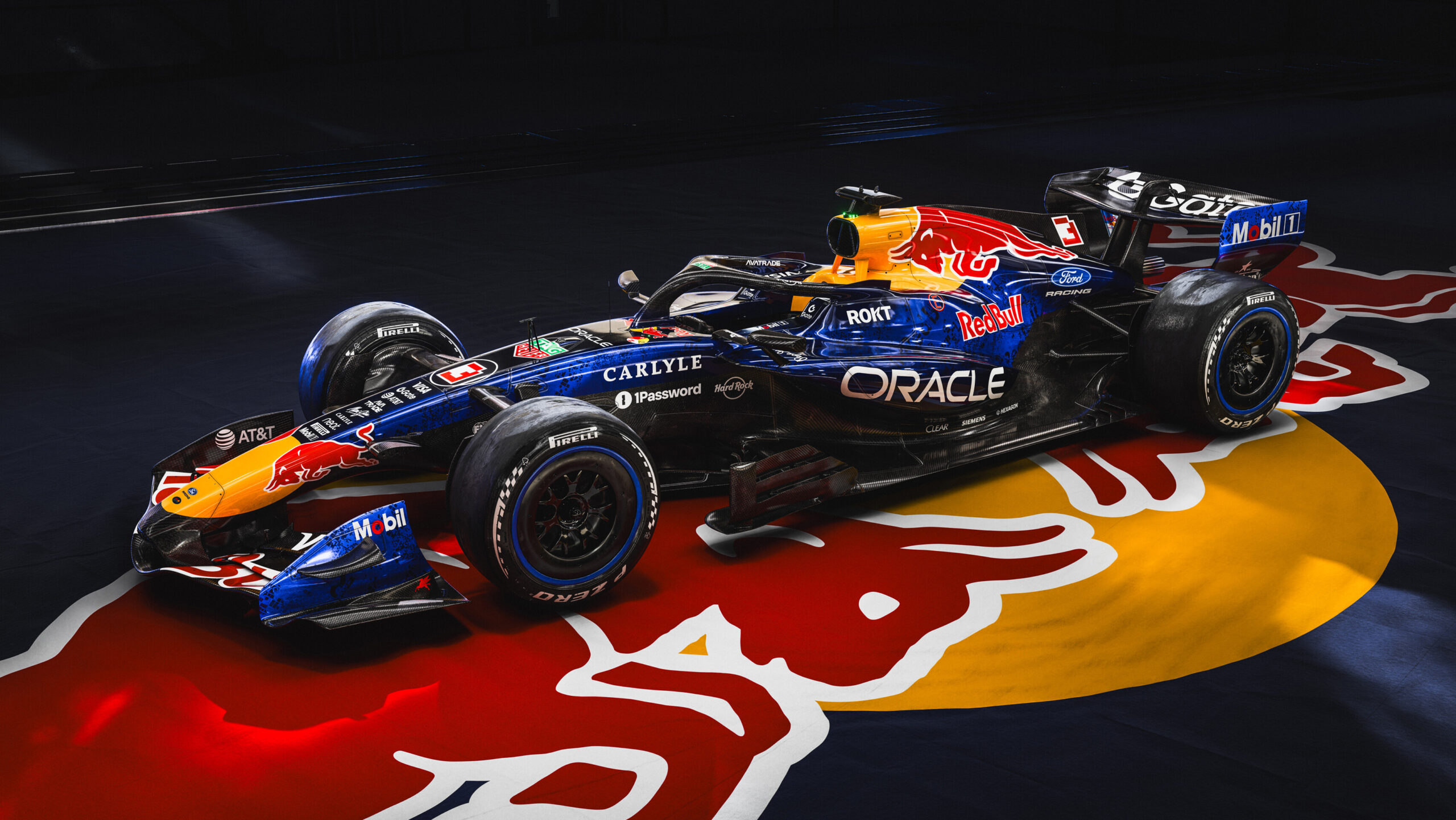
While the paddock buzzes about the 2026 regulations, all eyes are fixed on the radical “B-Spec” kit Red Bull brought to life. The centerpiece is the rare reverse-rotating rear wing. This 160-degreemechanism is specifically designed to minimize the massive drag penalty that comes with the “thicker” air expected this weekend.
Technical Spotlight: The Weight Factor Red Bull’s updates weren’t just aerodynamic; they were surgical. By refining their “waterslide” sidepod ramps which channel high-energy air directly to the floor they managed to shed an incredible 6kg. In a season where every gram affects energy recovery, this diet is the marginal gain aimed at neutralizing the technical edge of the SF-26.
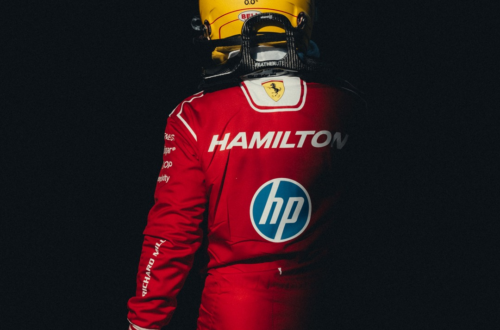
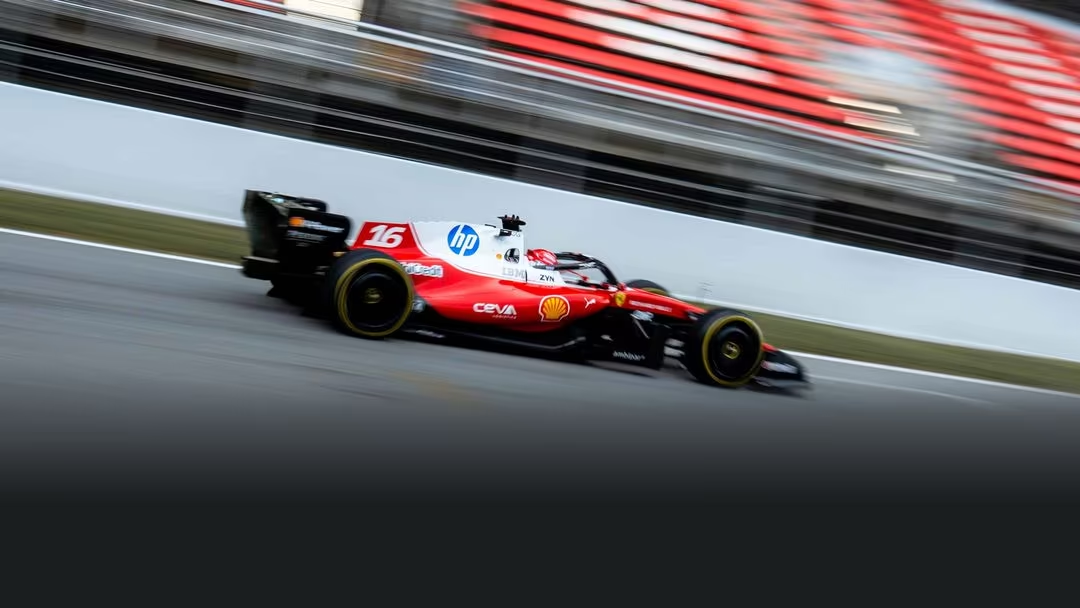
FERRARI’S RESPONSE: MAPPING THE “SOUP”
Ferrari isn’t sitting idle. With the air becoming a “denser soup” in the Canadian climate, the Scuderia is rumored to be bringing a sophisticated Power Unit remap. Denser air means more oxygen for the internal combustion engine, allowing for higher peak pressures without overworking the turbocharger. Furthermore, internal sources suggest Ferrari may debut a new brake disc drill pattern to retain core heat during high-speed sections.

THE THREE-WEEK SPRINT
The unusual three-week break following Miami served as a “development sprint.” While the world saw an empty calendar, factories were running 24/7 to correlate Miami telemetry with projected “cold-weather” models. As we prepare for lights out, the question remains: will Red Bull’s raw aerodynamic aggression or Ferrari’s thermal precision master the densest air of the season?