The genius of ZeroAvia isn’t in building a new plane—it’s in building a better “heart” for the planes we already have. By focusing on powertrain-only solutions, they are enabling airlines to keep their existing airframes while swapping out dirty kerosene engines for clean hydrogen-electric ones.
1. The ZA600: The 2026 Workhorse
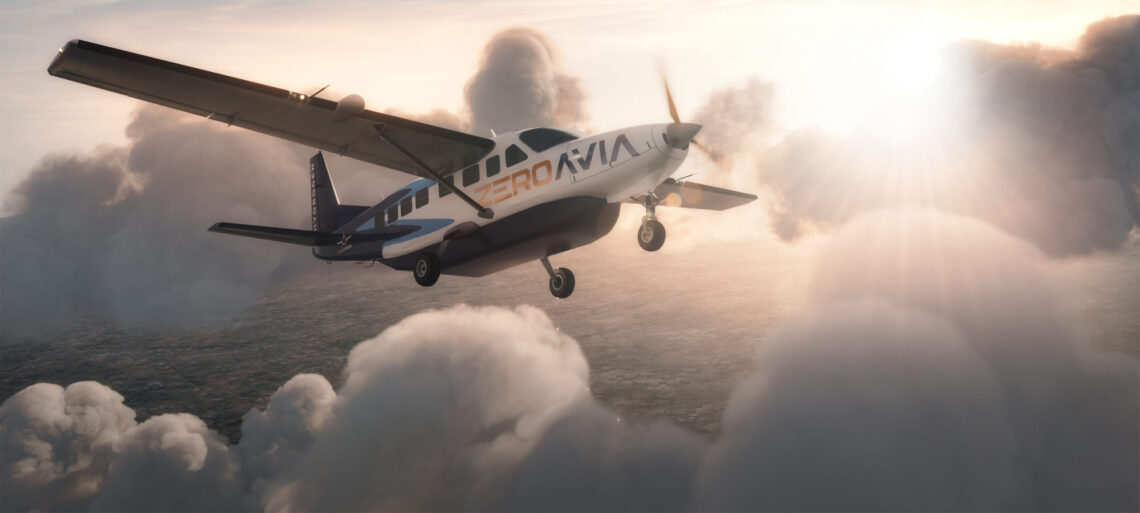
The ZA600 is the company’s flagship 600kW powertrain, designed for 10-20 seat aircraft like the Cessna Grand Caravan and the Dornier 228.
- The Milestone: Just days ago (April 2, 2026), the FAA published “Special Conditions” for this engine—a massive regulatory step that clears the path for final Type Certification.
- The “SuperStack” Fuel Cell: The engine is powered by SuperStack Flex modules. These are aviation-optimized fuel cells that achieve a specific power of 1.2kW/kg, allowing them to provide steady, reliable energy without the massive weight of traditional industrial fuel cells.

2. HyperCore: The “Brain” of the Propeller
At the center of their propulsion system is the HyperCore motor. This is where ZeroAvia’s engineering shines.
- Integrated Inverters: Unlike traditional setups where the motor and inverter are separate (adding weight and cables), HyperCore integrates four Silicon Carbide (SiC) inverters directly into the motor housing.
- Power Density: It delivers 900kW of peak power at an efficiency of 96%.
- Fail-Safe: The motor uses a “4×3 phase” winding pattern. If one part of the motor fails, the other three sections keep spinning, ensuring the pilot never loses total thrust—a critical requirement for passenger safety.


3. The Next Frontier: ZA2000 and Liquid Hydrogen
While the ZA600 uses gaseous hydrogen for short hops, ZeroAvia is already testing the ZA2000, a 2-5 megawatt system for 40-80 seat regional jets (like the Dash 8).
- Liquid Hydrogen Transition: To reach the 1,000-mile range needed for regional airlines, ZeroAvia is moving toward Liquid Hydrogen (LH2). This requires “cryogenic” storage tanks that keep the fuel at -253°C.
- Status: Ground tests in 2025 successfully replicated full flight profiles, and flight testing on a Dash-8 testbed is a major focus for the second half of 2026.
ZeroAvia Engine Lineup (2026)
| Engine | Power Output | Target Aircraft | Status |
| ZA600 | 600 kW | 9–19 Seats (Cessna Caravan) | Final FAA Certification |
| ZA2000 | 2–5 MW | 40–80 Seats (ATR 72 / Dash 8) | Flight Testing / R&D |
| HyperCore | 900 kW | Discrete Motor Product | Available for OEMs / UAVs |