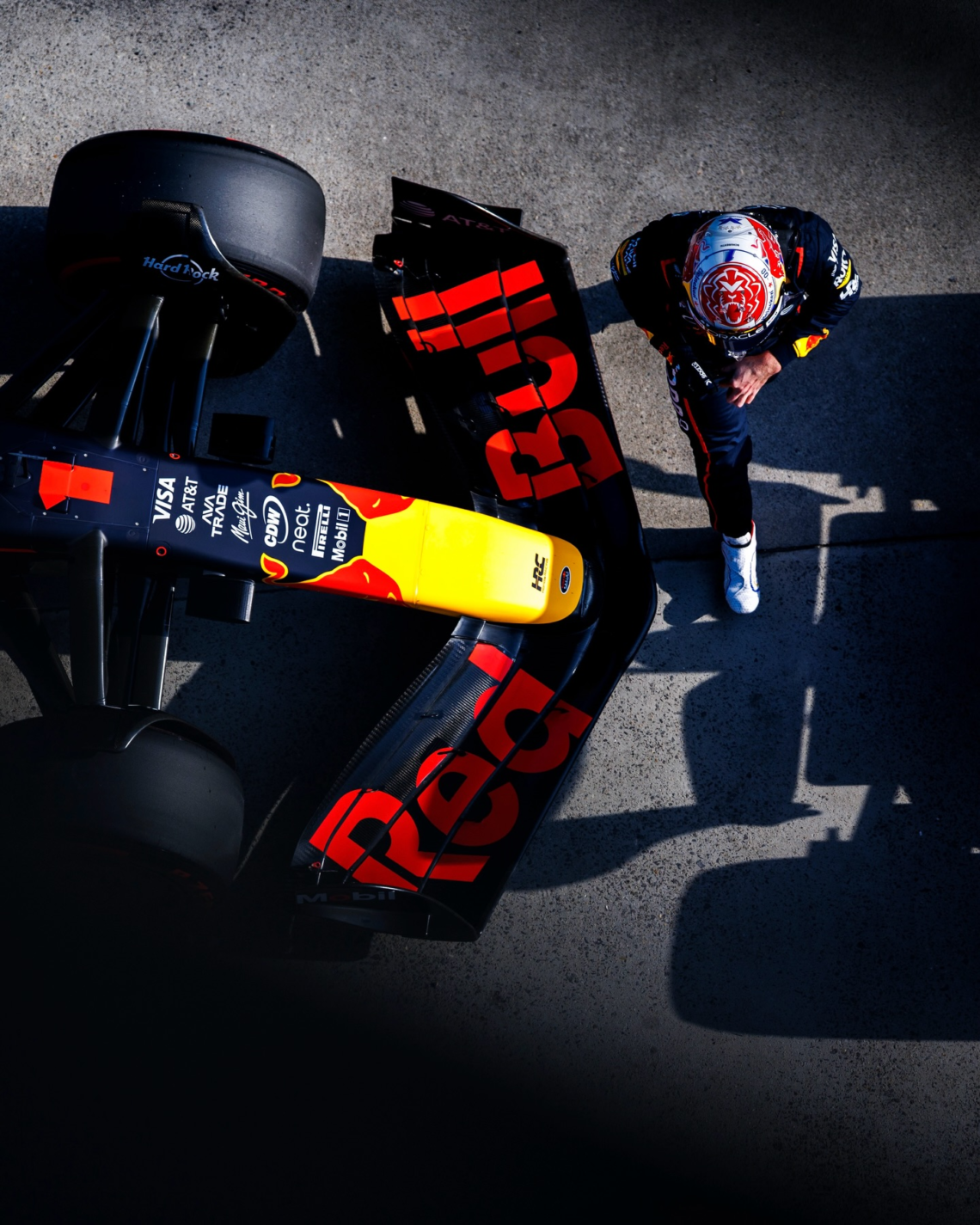
In the world of Formula 1, the roar of the internal combustion engine (ICE) has long been the headline act. But as we enter the 2026 technical regulations, the spotlight is shifting. With the removal of the MGU-H and a massive increase in electrical deployment, the most critical piece of hardware isn’t just the pistons or the turbo—it’s the digital power converter.
Often hidden within the Control Electronics (CE), this unit is the “brain” that bridges the gap between the high-voltage battery and the 350 kW MGU-K.
The 50/50 Power Split: A Digital Necessity
The 2026 rules mandate a near-equal split between traditional fuel power and electrical energy. To achieve this, the MGU-K (Motor Generator Unit – Kinetic) has been boosted from 120 kW to 350 kW (approximately 470 hp).
Managing that much power requires a digital converter that can perform millions of operations per second. Without it, the car would be unable to harvest energy under braking or deploy it on the straights. It acts as a bidirectional gate:
- Harvesting: Converting 3-phase AC from the spinning motor into DC for the battery.
- Deployment: Turning DC from the battery into high-frequency AC to drive the wheels.
Engineering the “Impossible”
Building a converter for an F1 car is significantly more complex than standard EV electronics due to three “extreme” constraints:
- Extreme Volatiles & Voltage: Modern systems operate at nearly 1,000V. At these levels, even a tiny amount of moisture or a loose connection can cause a catastrophic “arc flash.” F1 converters are often purged with inert gas or vacuum-sealed to prevent this.
- The Silicon Carbide Revolution: To keep the unit small and light, engineers use Silicon Carbide (SiC) or Gallium Nitride (GaN) MOSFETs. These allow the converter to switch at incredibly high frequencies (100kHz+), reducing the size of the inductors and capacitors needed while maintaining over 98% efficiency.
- Thermal Management: Despite high efficiency, a 2% loss on a 350 kW system still generates 7,000 watts of heat. That’s like having seven space heaters packed into a box the size of a shoebox. The converter must be integrated into the car’s liquid-cooling loop to keep the silicon from melting.
Weight: The 35kg Challenge
The FIA has set incredibly tight limits for 2026. The Energy Store (battery), including the inverter and all peripherals, has a minimum weight requirement of just 35kg. Every gram saved in the digital converter’s housing or circuit board is a gram that can be used as ballast to improve the car’s center of gravity.
Strategy in the Software
The “Digital” part of the converter also refers to the control algorithms. In 2026, we see the introduction of “Super Clipping” and “Override Mode”.
- Super Clipping: The converter harvests energy even at full throttle at the end of a straight to ensure the battery is charged for the next corner.
- Override Mode: A driver-activated boost that provides maximum deployment for overtaking, managed entirely by the converter’s power-mapping software.
The digital power converter is no longer just a supporting component; it is the cornerstone of 2026 performance. As teams like Ferrari, Mercedes, and newcomers like Audi battle for supremacy, the championship may very well be decided by whose “silicon heart” is the most efficient.