# Genesis Magma Racing Makes Its Mark: A Historic Pole at Barcelona
A warning shot from a new contender
Genesis Magma Racing arrived at the Circuit de Barcelona-Catalunya with something to prove. By the end of qualifying for the 2026 FIA World Endurance Championship’s 6 Hours of Barcelona, the Korean manufacturer had delivered one of the most significant moments of its debut season: its first overall pole position in the championship.
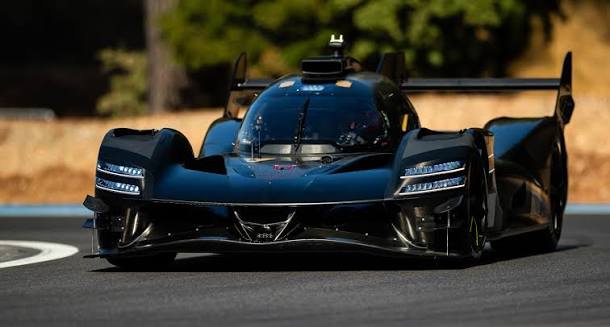
At the centre of the achievement was 21-year-old French driver Mathys Jaubert, who put the No. 17 Genesis GMR-001 on top of the Hypercar field with a lap of **1 minute 30.166 seconds**. The performance made Genesis the 11th manufacturer to secure an overall pole in WEC history and established Jaubert as the youngest outright pole-sitter in the series.
For a programme still in its first season, the result represented more than a strong qualifying session. It offered evidence that Genesis Magma Racing was beginning to translate its early promise into competitive performance against manufacturers with considerably more experience in top-level endurance racing.
One lap, a landmark result
Genesis had shown encouraging pace throughout the Barcelona weekend. Both GMR-001 entries demonstrated speed in practice, and Mathieu Jaminet set the benchmark during the opening qualifying session. Jaubert then delivered when it mattered in the ten-minute Hyperpole shootout.
His quickest lap placed the No. 17 car ahead of the No. 8 Toyota, driven in qualifying by Ryo Hirakawa, by just 0.170 seconds. The sister Genesis, the No. 19, qualified third after Jaminet recorded a 1:30.490.
That put Genesis in first and third on the grid, with Toyota separating its two cars. It was a particularly striking result at a circuit regarded as a useful benchmark for assessing a car and team’s performance.
Jaubert’s achievement also carried significance beyond the timing screens. The Frenchman had been part of Genesis’s development pathway from its earlier LMP2 activities, and his promotion reflected the organisation’s stated commitment to developing young talent alongside experienced endurance racers.
Team principal Cyril Abiteboul described the pole as confirmation of the progress the team had been sensing throughout the season: the car had shown potential, the drivers had demonstrated their ability, and the operation was beginning to come together. Barcelona provided a moment when those elements aligned under pressure.
## Building a team, not simply a car
Genesis Magma Racing’s early season had already provided encouraging milestones. Both GMR-001s finished on their WEC debut at Imola, and the No. 17 crew scored the team’s first World Championship points at Spa before completing the Le Mans 24 Hours.
Those achievements mattered because endurance racing places demands on a programme that go well beyond outright speed. A competitive prototype must perform over long stints, manage tyres and changing track conditions, and remain reliable while drivers, engineers and pit crews make decisions over several hours.
The team’s progress has not been without setbacks. Operational mistakes and the normal learning curve of a new programme have limited its ability to convert every promising performance into a result. The Barcelona pole therefore highlighted both sides of the project: the potential of the GMR-001 and the work still required to turn qualifying pace into consistent race-day success.
Jaubert’s result also validated Genesis’s decision to invest in its driver-development programme. In a category where experienced factory drivers are competing for every tenth of a second, a young driver earning pole against established rivals is a meaningful statement of intent.
## Pole position is only the beginning
The race itself provided a more difficult test.
Overnight rain left the field starting on wet tyres, and the changing grip levels made the six-hour contest challenging. The No. 19 Genesis briefly moved to the front through Dani Juncadella, but he was caught out at Turn 5 and ran through the gravel, losing valuable ground. Both cars subsequently experienced off-track moments and intermittent systems-related issues.
The No. 19 entry of Jaminet, Juncadella and Paul-Loup Chatin finished 11th, just outside the points-scoring positions. The No. 17 crew of Jaubert, André Lotterer and Pipo Derani also endured setbacks during the race, preventing the team from turning its historic qualifying result into the finish it had hoped for.
Genesis acknowledged afterwards that the weekend had exposed areas requiring improvement, particularly in race trim and the time needed to resolve technical issues. The team’s chief engineer, Justin Taylor, described the day as a learning experience and said the focus would be on addressing those weaknesses before the season finale at Monza.
The contrast between Saturday’s achievement and Sunday’s difficulties is important. A pole position demonstrates that a car can deliver exceptional pace over a single lap. A six-hour race tests whether the entire operation can sustain that performance through traffic, weather changes, technical challenges and strategic decisions.
## A manufacturer to watch
Genesis did not leave Barcelona with the race result its qualifying performance had promised. But the weekend still marked a major milestone for the manufacturer’s first WEC campaign.
The GMR-001 has shown that Genesis Magma Racing can challenge established names on outright pace. Jaubert’s pole was a clear demonstration of that capability, while the race exposed the operational details the team must continue to refine.
For Genesis, the next step is not simply to repeat a fast lap. It is to combine that speed with reliability, execution and consistency over an entire race distance.
The Barcelona weekend offered both a glimpse of what the programme can achieve and a reminder of how much remains to be learned. If Genesis can close that gap, its first pole position may eventually be remembered not as an isolated breakthrough, but as an early sign of a serious contender in the FIA World Endurance Championship.
**Sources:** FIA World Endurance Championship; Genesis Magma Racing official race report; DailySportsCar.
### Verified sources
* [FIA WEC — Genesis grabs its first pole position in Barcelona](https://www.fiawec.com/en/news/genesis-grabs-first-pole-position-in-barcelona/13884?utm_source=chatgpt.com)
* [Genesis Magma Racing — Official Barcelona race report, 19 October 2026](https://newsroom.genesis.com/genesis-magma-racing-celebrates-incredible-qualifying-performance-while-continuing-to-learn-in-the-race/?utm_source=chatgpt.com)
* [DailySportsCar — Original report on Genesis’s Barcelona pole](https://www.dailysportscar.com/2026/10/17/genesis-fires-its-latest-warning-shot-with-barcelona-pole.html?utm_source=chatgpt.com)
Featured-image concept: The No. 17 Genesis GMR-001 on track at Barcelona, with Mathys Jaubert and the pole-position result as the focus. Use official Genesis or FIA WEC imagery with the appropriate photo credit.
One important editorial distinction: Genesis secured a landmark pole, but the race exposed continuing issues with race execution and systems reliability. Keeping both sides of the weekend in the article makes the story stronger and more fact-led.