Dior has opened a new chapter in Milan — and this time, the experience doesn’t end when you leave the boutique.
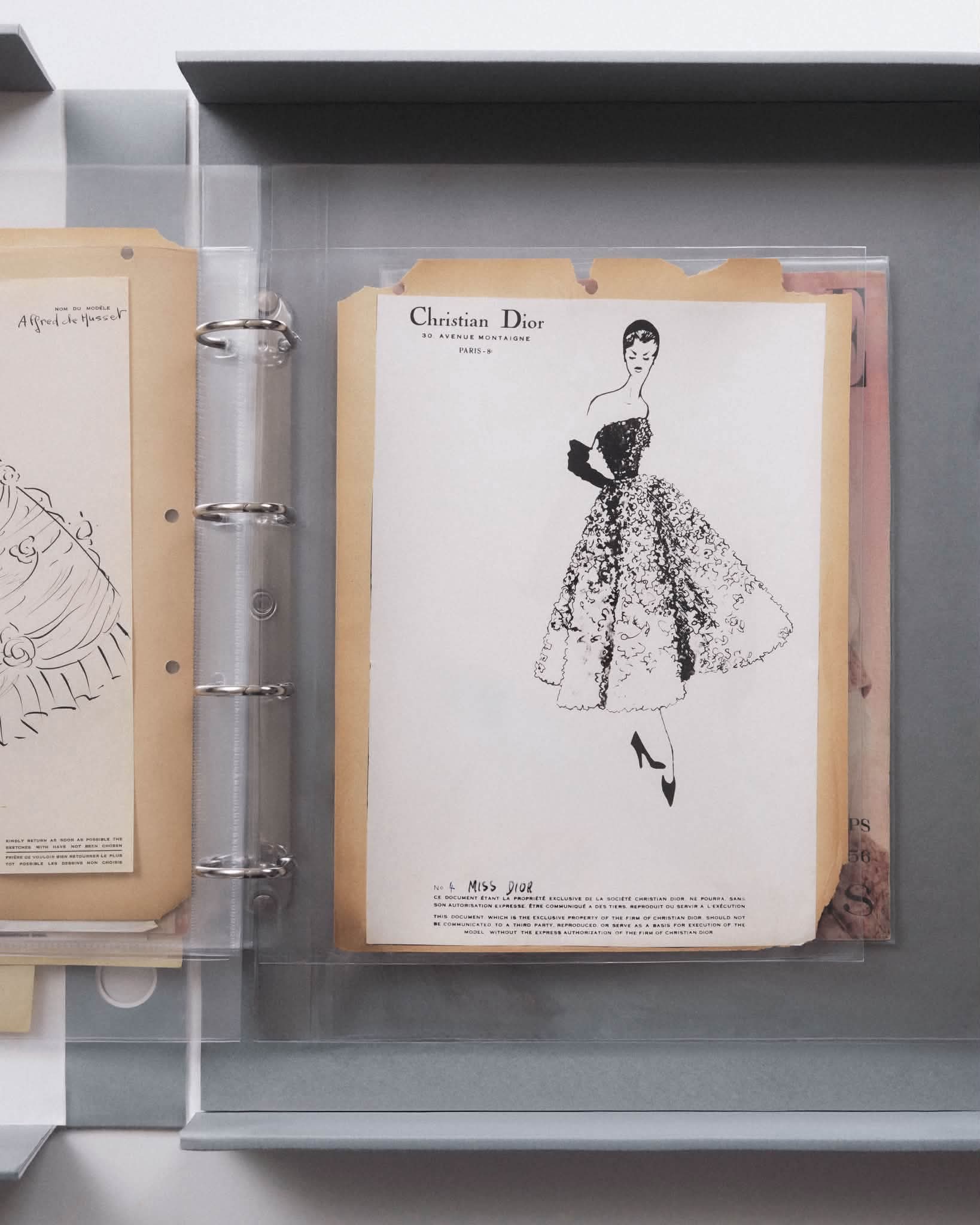
On Via Monte Napoleone, one of the world’s most important luxury addresses, the House of Dior Milan has opened its doors, bringing fashion, art, architecture, nature and gastronomy together inside a three-storey historic building.
Designed by architect Peter Marino, the new House of Dior is conceived as considerably more than a traditional flagship. It is an environment in which Dior’s collections exist alongside gardens, artworks, interiors and, perhaps most intriguingly, a restaurant created by one of Italy’s most celebrated chefs: Enrico Bartolini.
And this is where things become particularly interesting.
Monsieur Dior
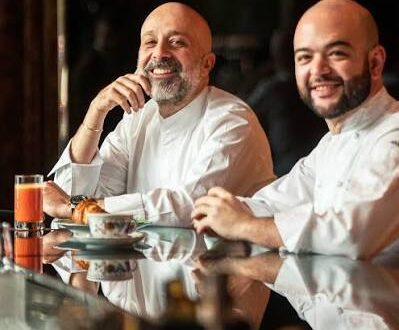
Inside the new House of Dior sits Monsieur Dior by Enrico Bartolini, Dior’s new Milanese restaurant.
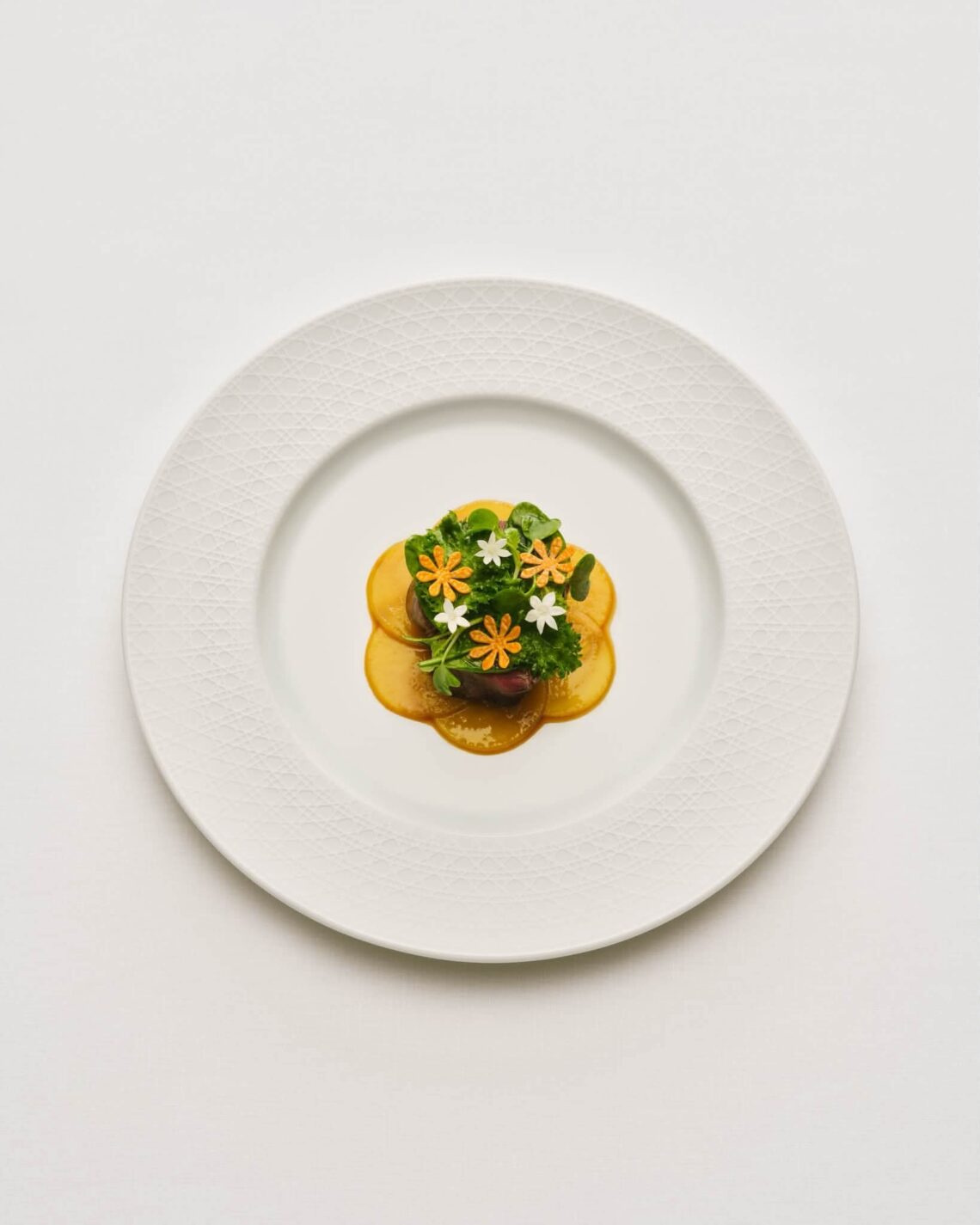
The concept is built around a conversation between haute couture and Italian gastronomy. Dior describes the menu as a dialogue between Italian flavours and the House’s own symbols, with the idea of layering providing a common language between clothing and cuisine.
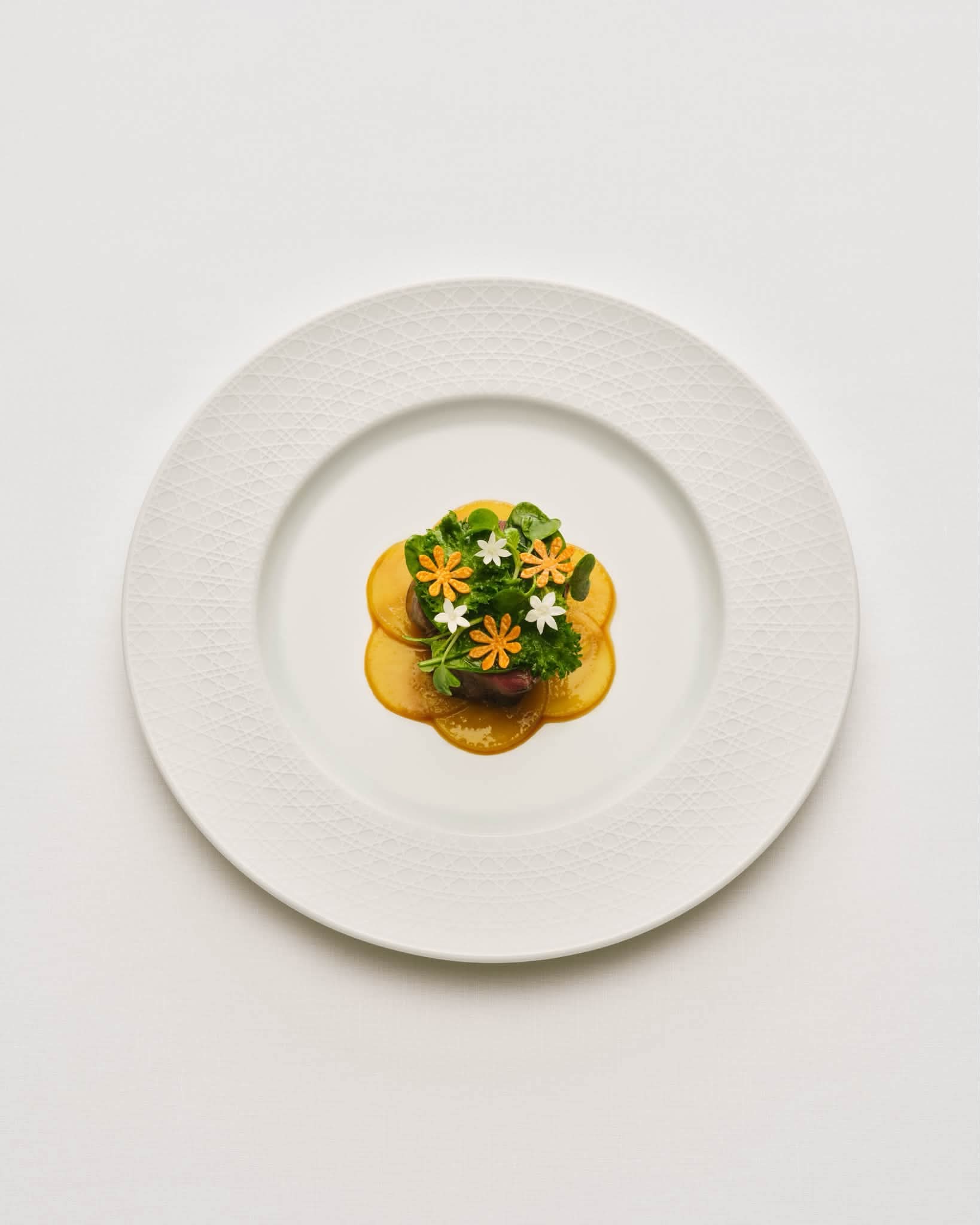
In other words, Bartolini isn’t simply placing a Dior name above an Italian restaurant.
The food itself is intended to reflect the Maison.
The Michelin-starred chef brings his contemporary interpretation of Italian cuisine to a setting designed specifically around the Dior universe. His cooking is rooted in Italian ingredients and traditions while using colour, texture and presentation to create something that sits naturally alongside couture.
It is a fitting collaboration for Milan — a city where the boundaries between fashion, design and food have always been unusually fluid.
A Restaurant Inside a Fashion House
The restaurant itself was conceived by Peter Marino and opens toward the gardens and courtyards of the House.
Pale tones and Versailles parquet create the foundation, while a floral work by Francesco Clemente provides one of the interior’s artistic focal points. Tables positioned beneath the arches look toward an interior courtyard, while a glass roof allows natural light to enter the space.
That relationship with nature is deliberate.
Christian Dior himself was deeply inspired by gardens, and the new Milanese House carries that influence into its architecture. Landscape architect Peter Wirtz has incorporated terraces, courtyards, living walls and greenery throughout the building, allowing the city and the interior gardens to continually meet.
The effect is less like entering a conventional boutique and more like moving through a private Dior world.
Three Floors of Dior
Across its three levels, House of Dior Milan presents the Maison’s wider universe.
The ground floor introduces bags, accessories, shoes and men’s ready-to-wear, before leading visitors toward the atrium, restaurant and garden.
Upstairs, Jonathan Anderson’s latest Dior collections are presented alongside signature pieces, high jewellery, fragrances and decorative objects for the home. The spaces also incorporate works of art and designer furniture, reflecting Christian Dior’s own history as a gallerist and collector.
That artistic connection is not merely historical.
The building incorporates works including a portrait of Monsieur Dior by Michelangelo Pistoletto, while other pieces and furnishings bring contemporary art further into the experience.
Dior is effectively turning the flagship into a cultural address.
From Shopping to Staying
Perhaps the most revealing part of the new House of Dior is that visitors don’t necessarily have to come simply to shop.
Monsieur Dior offers breakfast, lunch, dinner, afternoon tea, aperitivo and cocktails, with an outdoor terrace also forming part of the experience.
Dinner is currently offered from Wednesday through Saturday, while the aperitivo service provides another way to experience the restaurant without committing to a full evening meal.
This changes the traditional luxury-store model.
The boutique becomes the beginning of the experience rather than the destination itself.
You enter for Dior, move through art and architecture, perhaps discover a collection, and then sit down for a meal designed around the same creative vocabulary.
Milan, Dior and Italy
There is also something particularly appropriate about Dior choosing Milan for this project.
The House has longstanding ties to Italy, and the new flagship deliberately brings together French art de vivre and Milanese design culture. Dior describes the location as a celebration of the inspiring relationship between the Maison and Italy.
And Via Monte Napoleone provides perhaps the perfect stage.
The new House opened on 18 September 2026, just as Milan prepared for another edition of Fashion Week, placing Dior’s latest statement directly inside the city’s international fashion calendar.
But the real story isn’t simply that Dior has opened another flagship.
It is that Dior is continuing to redefine what a flagship can be.
Couture, Served
There was a time when the luxury boutique existed primarily to display clothing.
That model is changing.
The modern luxury house increasingly wants to create an environment that people can inhabit — somewhere to see fashion, experience art, eat, drink, socialize and spend time.
House of Dior Milan takes that idea and gives it a particularly Dior interpretation.
Fashion becomes architecture. Architecture opens into gardens. Art becomes part of the interior. And the restaurant turns couture into cuisine.
At Monsieur Dior, Enrico Bartolini’s kitchen becomes another expression of the House.
The result is a destination where the Dior experience doesn’t end with the purchase of a handbag or a couture piece.
Sometimes, it begins with dinner.