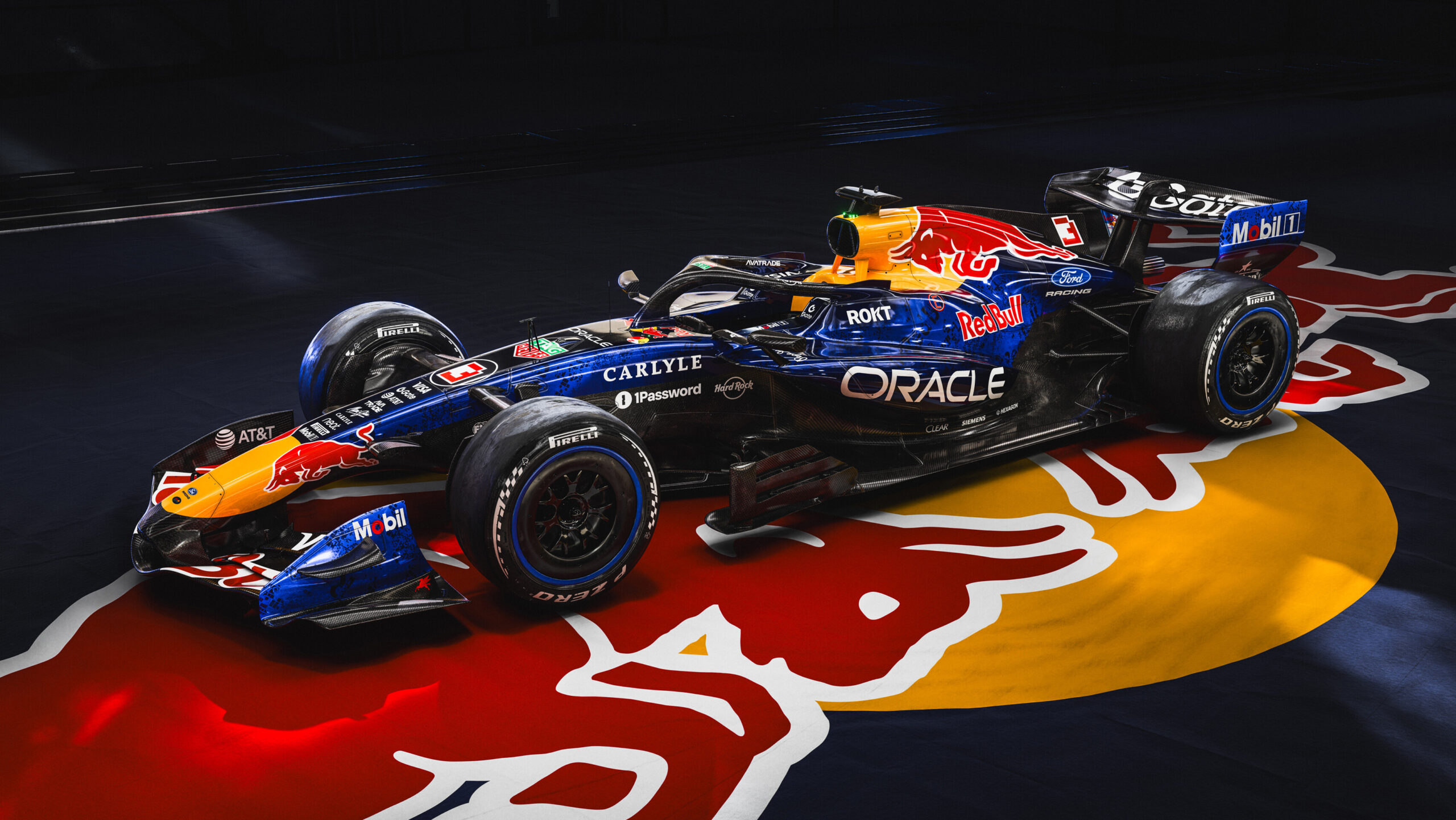
Following a cautious step back at Spa-Francorchamps—where Max Verstappen salvaged a third-place podium using Red Bull’s earlier, conventional setup—the Milton Keynes squad arrives at the Hungaroring with its fixed “Macarena” wing refitted to the RB22.

While Spa exposed the brutal consequences of erratic airflow reattachment on high-speed sweeps like Copse and Blanchimont, Budapest presents a completely different aerodynamic puzzle. With straight-line speed taking a back seat to raw downforce, stability, and slow-corner rotation, all eyes are on how Red Bull’s active rear wing will handle the “Monaco without walls.”
The Downforce vs. Efficiency Equation
The original pitch of the rotating rear-wing design was straight-line drag reduction without sacrificing floor-generated downforce. At power-sensitive venues, that trade-off paid immediate dividends. However, the Hungaroring’s layout—featuring 14 technical corners and only one short pit straight—demands maximum downforce and absolute rear-axle predictability.

- Reattachment Confidence: The primary hazard at Silverstone and the Red Bull Ring was mechanical delay during airflow reattachment when the wing closed for braking zones. On a circuit with relentless, rapid-fire direction changes like Budapest’s Sector 2 (Turns 4 through 11), even a fraction-of-a-second lag in load restoration will upset the car’s dynamic balance, snap the rear out, and overheat the rear tires.
- Traction & Tire Management: Beyond raw downforce, the RB22’s recent struggles have centered around thermal management and low-speed turn-in. If the fixed mechanism closes reliably, it gives Verstappen and teammate Isack Hadjar the stable rear end required to aggressive-attack braking zones without prematurely scrubbing the rear compound in Budapest’s heat.
What to Expect from the RB22 in Hungary
1. A True Test of the Simulation Fix
Pierre Waché and the engineering team confirmed that the mechanical trigger behind the wing’s failure was isolated and reproduced in dyno and CFD simulations post-Silverstone. Friday’s free practice sessions will serve as the ultimate real-world validation. If the mechanism operates seamlessly through the heavy braking zone into Turn 1 and the technical drop into Turn 2, Red Bull can re-establish its baseline aerodynamic platform.
2. Arms Race Against Ferrari’s High-Downforce Adaptations
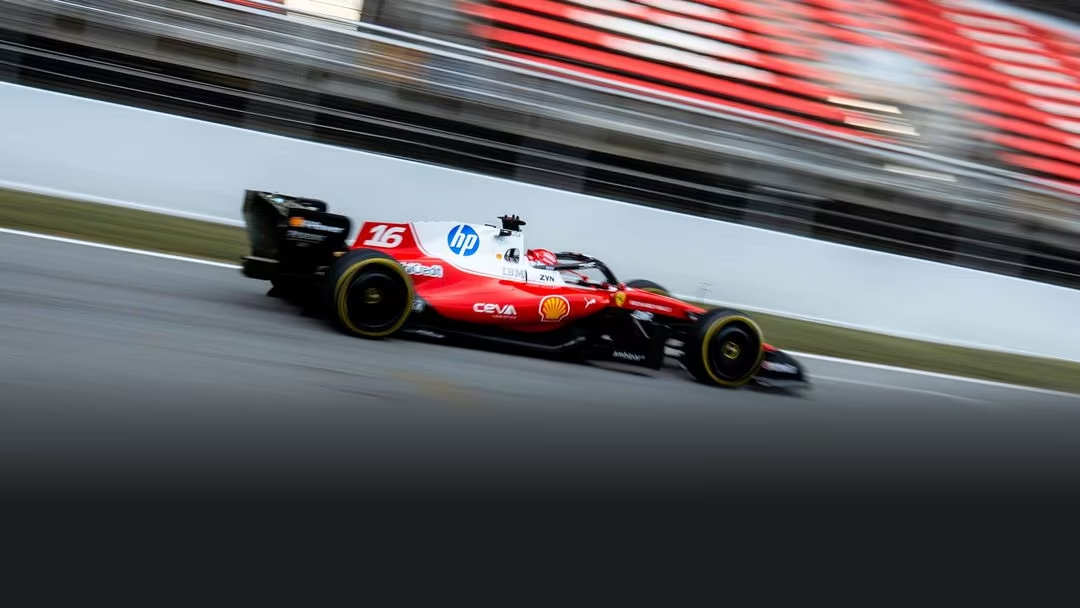
Red Bull isn’t the only team refining active aero concepts in Hungary. Ferrari has introduced its own high-downforce iteration of the rotating wing, adding auxiliary trailing-edge profiles to maximum-load configurations. While Ferrari’s setup aims to squeeze out peak cornering load, Red Bull’s goal is to ensure the RB22’s revised wing offers clean, predictable transition mapping so Verstappen can attack high-speed apexes like Turn 4 with complete confidence.
3. Gauging Underlying Mechanical Pace
Stepping away from the active wing at Spa revealed that Red Bull’s gap to the front wasn’t solely aerodynamic; slow-speed corner rotation and kerb-riding remained underlying pain points compared to Mercedes and Ferrari. Re-implementing a functional Macarena wing will act as a baseline test: it will clarify whether the wing’s return solves the RB22’s balance issues, or if fundamental chassis handling requires further development before the summer shutdown.
The Bottom Line
Reintroducing the revised concept at a low-speed, high-downforce circuit like the Hungaroring is a deliberate statement from Red Bull. If the airflow reattaches reliably, the RB22 will gain a crucial edge in straight-line efficiency heading down the main straight, while maintaining the rear-end grip needed through Budapest’s continuous twisty sections.
However, if the airflow hesitates under heavy braking, the tight confines of the Hungaroring offer zero room for error. All eyes will be on telemetry data during Friday practice to see if Red Bull has truly mastered its most controversial technical gamble of the season.