South Korea’s historical approach to curing and preservation is deeply rooted in its distinct four-season climate. With punishingly hot, humid summers and sub-zero, dry winters, Korean preservation evolved into a masterclass of heavy brine immersion, stone-weighted fermentation (Jeotgal), and cyclic freeze-thaw winter dehydration.
For dlifestylemagazine.com, exploring South Korea’s ancient culinary catalog uncovers a world of deep, funk-driven umami that predates modern charcuterie by centuries.
Myeongran-jeot and Seafood Curing (Jeotgal)
While Europe focused on curing land animals, ancient Korea looked to the sea. Jeotgal is a category of cured, fermented seafood that dates back to the Three Kingdoms period (composed of historical records from as early as 1145 CE). The absolute pinnacle of this craft is Myeongran-jeot (cured pollock roe).
- The Special Livestock/Sourcing: High-grade, pristine roe sacs of the walleye pollock, harvested from the freezing depths of the East Sea.
- The Method of Preservation: The intact, delicate roe sacs are heavily salted with coarse sea salt and layered into large earthenware jars called onggi. They are weighted down with heavy stones and aged at a cool temperature for weeks. Once the salt has drawn out excess moisture and stabilized the roe, it is meticulously rinsed and coated in a vibrant paste of gochugaru (Korean chili flakes), garlic, and sesame oil. The result is a luxurious, creamy, deeply savory spread that balances ocean salinity with a subtle, warming heat.
Gwamegi (The Winter Freeze-Thaw Dehydration)
Gwamegi is an ancient, winter-cured specialty native to North Gyeongsang Province, particularly the coastal city of Pohang.
- The Special Livestock: Fresh Pacific herring or chub mackerel caught at the peak of their winter fat accumulation.
- The Method of Preservation: The fish are cleaned, deboned, and strung up on wooden racks along the coast during the freezing winter months. The preservation relies entirely on a unique, natural freeze-thaw cycle.
[Daytime: Cool Sea Breezes] ──> Slow, gentle moisture evaporation
[Nighttime: Sub-Zero Temps] ──> Fast freezing solidifies the remaining water
[Result: Deeply Concentrated Oils, Chewy “Jerky” Texture]
Over the course of 7 to 14 days, this continuous thermal expansion and contraction dehydrates the flesh perfectly without letting the rich omega-3 oils turn rancid. The final product is a dark, chewy, deeply savory seafood charcuterie with an incredibly concentrated oil profile.
3. Yukpo (Ancient Korean Beef Jerky)
Long before Western-style snack jerky existed, Yukpo was crafted as a high-end royal court delicacy, meticulously prepared for noble banquets and traditional wedding ceremonies (Pyebaek).
- The Special Livestock: Premium ribbons of lean beef, traditionally sourced from indigenous Hanwoo cattle. Hanwoo beef is highly celebrated for its distinct, intense marbling and subtle grassy sweetness.
- The Method of Preservation: Thin sheets of lean Hanwoo top round or flank are meticulously trimmed of all fat to prevent oxidation. The meat is soaked in pear juice to naturally tenderize the fibers, then deeply infused with a rich marinade of aged ganjang (Korean artisan soy sauce), sesame oil, black pepper, and honey. Rather than being blasted with high heat, the beef is stretched onto mesh screens and slowly air-dried in cool, shaded, wind-swept courtyards for several days. It yields a smooth, intensely rich, and elegant cured beef strip with a highly refined glaze.
4. Hongeo-hoe (Extreme Alkaline Curing)
For the true culinary adventurer, Hongeo-hoe (fermented skate) represents one of the most radical, chemically fascinating preservation methods on the planet.
- The Special Livestock: Indigenous skate fish harvested from the Yellow Sea, particularly around Heuksando Island.
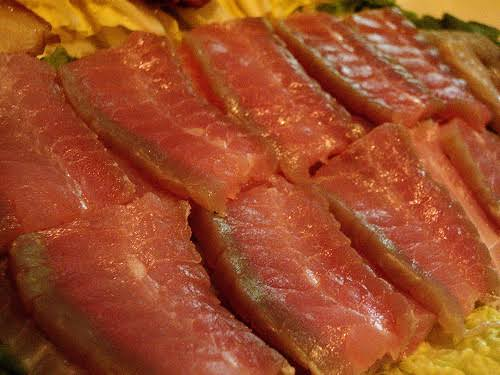
- The Method of Preservation: Unlike most animals, skate do not urinate; they excrete uric acid directly through their skin. To preserve the fish, it is packed raw into layers of damp hay inside earthenware onggi jars and left to ferment for up to a month. As the fish cures, the uric acid naturally breaks down into ammonia gas, which acts as a powerful, sterile alkaline shield that completely prevents rot and spoilage. The meat becomes firm, pink, and gelatinous, delivering an incredibly pungent, bracing ammonia kick that yields to a remarkably clean, sweet seafood finish.
1. Myeongran-jeot: Premium 14-Day Low-Salt Master Selection
While standard Myeongran-jeot is mass-produced using high salinity levels to extend shelf life in grocery stores, high-end boutiques utilize an incredibly precise, low-salt technique.
Premium Jeo-Yom (Low-Salt) Myeongran-jeot. Brands like Deokhwa Myeongran produce a highly coveted variant completely free of artificial colorants or heavy preservatives.

The Method & Elite Sourcing: Master artisans select perfect, unbroken roe sacs from wild pollock caught in the pristine, sub-zero waters of the North Pacific. Instead of heavy curing, they use a highly technical low-salt preservation method ($4\%\text{ or less}$ salinity). The roe is submerged in a chilled brine made with refined sea salt, local sake, and deep-sea water, then cured at a strict temperatures for 14 days.
- The Result: The lower salt threshold allows a delicate, complex lactic fermentation to occur without masking the pure, clean taste of the ocean. It is lightly coated in premium, fine-grade gochugaru and cold-pressed sesame oil. Sold in luxury department stores like Shinsegae in pristine, minimalist wooden boxes, this cream-colored roe commands hundreds of dollars per kilogram.
2. Gwamegi: The “Guryongpo Peak-Winter” Heritage Selection
True Gwamegi collectors look entirely past the generic, mass-dehydrated winter fish sold in standard markets, opting instead for single-origin coastal productions.
- Guryongpo Hand-Deboned Premium Gwamegi.

- The Method & Elite Sourcing: Sourced exclusively from premium, oily Pacific herring caught at the dead-center of winter when fat accumulation is at its absolute peak. The producers in Guryongpo (Pohang) utilize open-air wooden scaffolding perched directly over the crashing Pacific surf.
- The Result: The fish undergo a highly specific 14-day open-air freeze-thaw rotation. The intense daytime sea winds dry the surface rapidly, locking the rich omega-3 oils tightly inside the flesh, while the freezing sub-zero night temperatures freeze the internal moisture solid. The resulting texture is incredibly clean, dense, and uniform—completely free of the overly fishy, oily oxidation found in cheap, fan-dried alternatives. It is sold globally to high-end Korean dining establishments as a seasonal luxury charcuterie.
Yukpo: 1++ Grade Top-Tier Hanwoo Royal Court Selection
In the luxury gift markets of Seoul, traditional Yukpo is treated with the same prestige as an aged bottle of fine wine.

- The High-End Meat: 1++ Grade Top-Tier Hanwoo Beef Yukpo.
- The Method & Elite Sourcing: This variant is crafted exclusively from the rarest Hanwoo cattle (Korean native beef), specifically those hitting the elusive 1++ quality grade with a Marbling Score of 9 (the absolute highest achievable tier in South Korea). Prime cuts of lean top round or flank are meticulously hand-sliced and soaked in fresh Asian pear juice to relax the dense muscle fibers. It is then deeply marinated in a highly complex, multi-year-aged artisan ganjang (soy sauce), organic honey, and wild sesame oil.
- The Result: The strips are stretched over clean mesh screens and slowly air-dried in cool, shaded, wind-swept environments for several days with zero heat intervention. Because of the high marbling score of the Hanwoo beef, the fat beautifully integrates into the dried fibers, producing an incredibly tender, glossy strip of beef that balances the mineral depth of Hanwoo with a clean, sweet-savory glaze.
Hongeo-hoe: Heuksando Island Gold-Tag Skate
To understand true luxury in Korean seafood curing, one must look at the strict origin labeling of Hongeo-hoe.

- The High-End Meat: Heuksando Island Certified Green-Tagged Skate.
- The Method & Elite Sourcing: Over $90\%$ of commercial skate consumed in Korea is imported from Chile or Argentina. True luxury Hongeo must be caught wild by licensed vessels off the rocky shores of Heuksando Island. Each authentic fish is fitted with an official barcode tracking tag to guarantee its origin.
- The Result: The fish is packed into layers of damp pine needles and local hay inside earthenware onggi jars and left to ferment for up to a month. The pine needles provide clean, aromatic terpenes that subtly perfume the flesh while the uric acid breaks down into a sterile, self-preserving ammonia gas shield. This specific micro-climate creates a texture that is remarkably crisp and gelatinous, delivering a highly prized, clean, sweet finish that commands over $500 per plate at high-end Seoul establishments.