Few names in the world of fine wine evoke as much reverence, fascination, and prestige as Pétrus. Hailing from the small, unassuming Pomerol region on the Right Bank of Bordeaux, Pétrus stands at the pinnacle of luxury winemaking. From its distinct soil to its painstaking grape selection and history of perfection, every bottle tells a story of nature, craft, and time.

1. The Region: Pomerol’s Unique Blue Clay
While famous Bordeaux regions like Margaux or Pauillac dominate the Left Bank with massive, grand châteaux, Pomerol sits quietly on the Right Bank near the town of Libourne. Unlike its neighbors, Pomerol has no official classification system—yet its finest estate commands prices that outpace nearly every Classified Growth in France.

At the heart of Pétrus’s legendary character is its terroir. The estate covers roughly 11.5 hectares (28 acres) situated at the highest point of the Pomerol plateau. What sets this patch of land apart from almost anywhere else on Earth is its soil: a thick topsoil layer resting on a subsoil of rare smectite blue clay (argile bleue).

- Hydration Control: This ancient clay acts like a natural sponge, absorbing water during rainy springs and holding onto it through hot summer months.
- Tannin Structure: The iron-rich minerals embedded within the blue clay impart an unmatched velvety texture and structural depth to the grapes that cannot be replicated elsewhere.
2. The Berries: The Mastery of Merlot
While Cabernet Sauvignon dominates much of Bordeaux, Pétrus is crafted almost entirely—and in most modern vintages, 100%—from Merlot.
In the vineyard, these berries receive meticulous, almost obsessive care:
- Low Yields & Canopy Control: The vines are kept old (averaging around 40 years) and pruned tightly to ensure small, highly concentrated grape clusters.
- Meticulous Harvesting: Harvesting is done entirely by hand, often in a matter of a few afternoons once the morning dew evaporates, ensuring the berries are picked at absolute peak ripeness.
- Double Sorting: Grapes undergo rigorous optical and manual sorting so that only flawless, whole berries make it into the fermenting vats.
The result is a berry bursting with dark fruit concentration, natural acidity, and supple tannins that give the wine its signature plush, seamless mouthfeel.
3. The History: Rise of an Icon
Unlike many Bordeaux estates whose grand reputations date back to the 1855 Classification, Pétrus was a relatively modest local secret for much of the 19th century.
- The Loubat Era: Its modern ascension began in the 1920s when Madame Marie-Louise Loubat began buying shares in the estate, becoming full owner by 1945. She recognized the exceptional quality of her land and set out to sell Pétrus at prices equal to or higher than the famous First Growths of the Médoc.
- The Moueix Partnership: Madame Loubat partnered with Jean-Pierre Moueix, a brilliant wine merchant who introduced Pétrus to the international stage.
- Global Fame: By the 1960s, Pétrus had caught the attention of international elites—becoming a favorite of President John F. Kennedy and appearing on the world’s most prestigious dining tables.
Today, under the stewardship of Jean-François Moueix and his son Jean, Pétrus produces only around 2,500 to 3,000 cases per year, ensuring its rarity remains as remarkable as its quality.
4. The Vintage Magic: Why Age and Year Matter
Pétrus is quintessential vintage wine, meaning each bottle is crafted from grapes harvested in a single year, reflecting the specific weather conditions of that season.

Because no chemical adjustments or blending tricks are used to mask the climate, different vintages express distinct personalities:
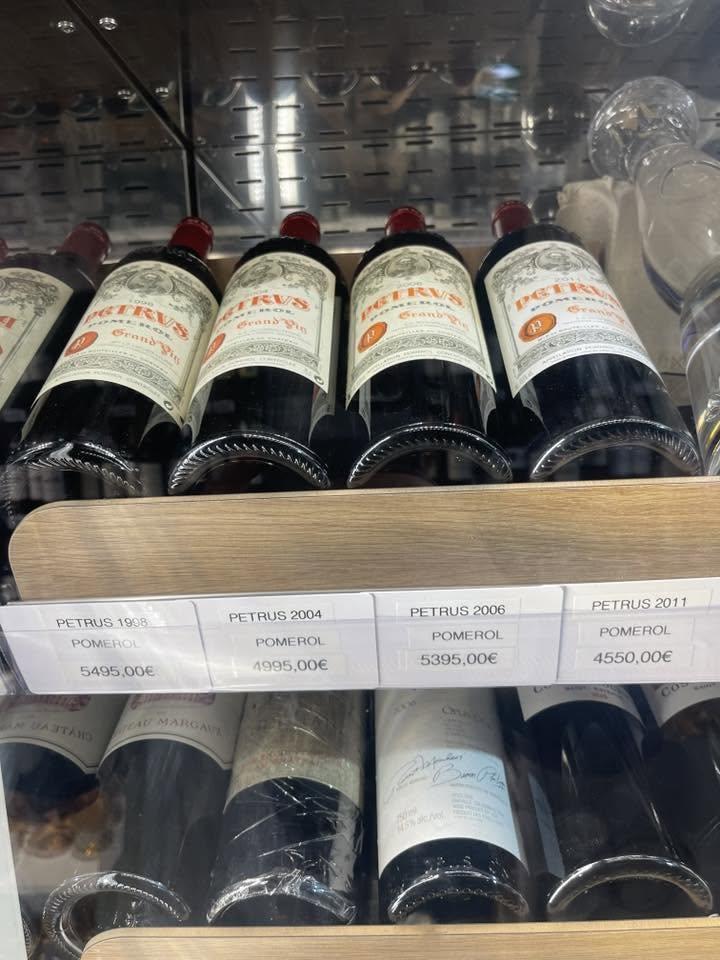
- Legendary Vintage Years (e.g., 1998): Perfect weather conditions yield monumental wines with massive aging potential (50+ years), blending explosive dark fruit, truffles, and spice.
- Classic & Cooler Years (e.g., 2004, 2011): Cooler or variable weather creates a more restrained, aromatic, and fresh expression, highlighting red berries, crushed rock minerality, and elegant acidity.
- Muscular Years (e.g., 2006): Warm, dry seasons deliver concentrated, structured wines driven by cocoa, espresso, and firm tannins that reward decades of cellaring.
As these vintages age in the bottle, the primary fruit flavors transform into complex secondary and tertiary notes of dried plums, black truffles, damp earth, tobacco, and leather—making a mature vintage of Pétrus one of the grandest sensory experiences in the culinary world.