The transition to sustainable mobility is a multi-lane highway, and BMW is ensuring it owns a fast lane in both battery-electric and hydrogen technology. At the heart of BMW’s technological openness is BMW Group Plant Landshut, which has recently achieved a monumental milestone in scaling up its hydrogen infrastructure.

With the pilot fleet of the BMW iX5 Hydrogen already proving its mettle globally, BMW’s upcoming 2028 mass-production model is shaping up to be a true contender in the clean-energy race.
But how does BMW’s hydrogen strategy compare with its close ally and undisputed hydrogen pioneer, Toyota?
Landshut’s Innovation: The “Energy Master”
BMW Group Plant Landshut has officially kicked off pre-series production of the “Energy Master,” a key control unit designed specifically for the next-generation hydrogen drivetrain.
┌─────────────────────────┐
│ 3rd-Gen Fuel Cell │
└────────────┬────────────┘
│
┌─────────────▼─────────────┐
│ BMW ENERGY MASTER │◀─── (Data & Energy Control)
└─────────────┬─────────────┘
│
┌──────────────────────┴──────────────────────┐
▼ ▼
┌─────────────────────────┐ ┌─────────────────────────┐
│ High-Voltage Battery │ │ Electric Drive Motors │
└─────────────────────────┘ └─────────────────────────┘
The Energy Master represents a masterclass in mechatronic integration:
- The Central Brain: It acts as the central control unit for the high-voltage system. In standard electric vehicles, this unit is mounted directly on the battery. In the BMW iX5 Hydrogen, a modified, optimized version manages the entire drivetrain system and is installed directly on the hydrogen flat-tank storage system.
- Bridges Data & Power: The system coordinates energy and data flows, regulates power supply to the electric motors and on-board electrical systems, and acts as the crucial interface between the fuel cell, high-voltage battery, and electric drives.
- In-House Mastery: For the first time, BMW has developed and industrialized the Energy Master entirely in-house, creating major production synergies alongside battery-electric platforms (like the Neue Klasse).

The BMW iX5 Hydrogen: Where the Tech Stands
Slated for official market launch in 2028, the BMW iX5 Hydrogen is no longer just a concept. Having logged nearly a million test kilometers across diverse climates, the technology is fully mature and boasts impressive performance specs:
- BMW Hydrogen Flat Storage: Instead of bulky cylindrical tanks that eat up cabin space, the iX5 utilizes a flat-tank system featuring seven high-pressure carbon-fiber-reinforced tanks integrated into a robust metal frame. It occupies the same physical footprint as a Gen6 battery housing, preserving maximum cabin space.
- Exceptional Range & Refueling: The system stores at least 7 kilograms of hydrogen, yielding an estimated WLTP range of up to 750 km (466 miles) with a refueling time of under 5 minutes.
- Electric All-Wheel Drive (xDrive): This is the first hydrogen fuel cell vehicle to incorporate BMW’s electric xDrive system, delivering signature driving dynamics supported by BMW’s bespoke “Heart of Joy” software.
BMW vs. Toyota: Rivalry or Alliance?
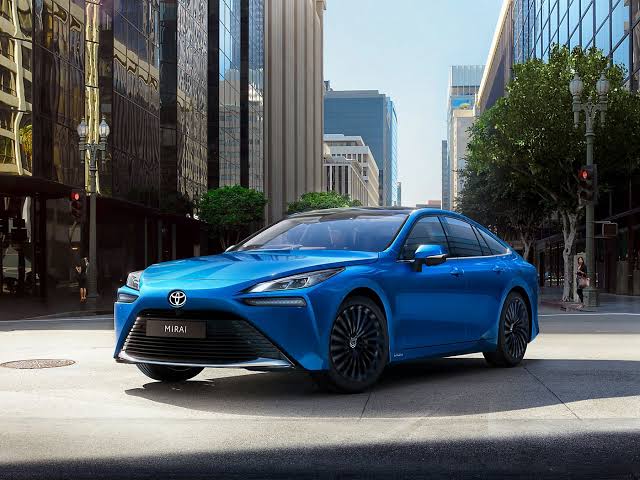
While Toyota has long been considered the undisputed giant of hydrogen technology—famous for its mass-market Mirai and pioneering work in testing both gaseous and liquid hydrogen in motorsports—the dynamic between Munich and Toyota City is not a rivalry. It is one of the most powerful alliances in automotive history.
In mid-2026, Toyota and BMW formally signed an expanded agreement to deepen collaboration on next-generation fuel cell systems and refueling infrastructure.
Feature | BMW iX5 Hydrogen (Gen 3) | Toyota Hydrogen Philosophy |
|---|---|---|
Fuel Cell Technology | Jointly developed 3rd-Gen system (25% more compact, higher power density). | Core fuel cell supplier and developer; scaling FCEVs for passenger and heavy-duty trucks. |
Storage Architecture | 700-bar Gaseous Flat Tanks (optimized to match EV skateboard battery spaces). | Multi-pathway; heavily researching Liquid Hydrogen for motorsports and heavy trucking. |
Vehicle Philosophy | Premium performance, xDrive dynamics, M Sport package, and “sheer driving pleasure”. | High-volume accessibility, utility, and diverse commercial vehicle applications. |
Manufacturing Strategy | Modular; built on the same lines as ICE/BEV cars using Landshut components. | Massive ecosystem integration; building international consortia to drive refueling costs down. |
The Power of Synergy
By working together, BMW and Toyota are aiming to drive down the procurement and manufacturing costs of fuel cells. Toyota brings world-leading fuel cell manufacturing experience and a deep understanding of liquid hydrogen storage. BMW, on the other hand, excels in precision integration, converting that fuel cell output into high-performance, engaging driving machines through technologies like the Landshut-built Energy Master.
“BMW and Toyota share the same passion for cars and belief in technology openness… aiming for the realization of a hydrogen society.”
— Koji Sato, President of Toyota
As the Landshut plant transitions from pre-series to full scale, BMW is proving that hydrogen is not a distant dream—it is a tangible, near-term reality that will roll out of factories alongside standard EVs by 2028.