The global automotive landscape is quietly executing a dramatic shift in momentum. As new-car transaction prices stubbornly hover near historic highs, macro-economic pressures and tighter household budgets are forcing a massive wave of trade-down behavior. For many consumers, the dream of driving a brand-new vehicle off the lot is being replaced by a calculated pivot toward the second-hand market.

Recent retail metrics show that while the traditional, high-margin new-car sector is beginning to cool, used-car sales are experiencing an undeniable resurgence. Seizing on this precise divergence, Carvana has positioned itself to capitalize aggressively on the growing appetite for affordable, high-quality pre-owned vehicles.
The New-Car Stagnation vs. The Used-Car Influx
The data surrounding the cooling new-vehicle sector paints a clear picture. High interest rates, the sun-setting of specific federal EV tax incentives, and general consumer caution have caused a modest but steady leveling off in showroom traffic. According to the latest analysis by Edmunds, three-year-old vehicles are retaining a lower percentage of their original MSRP compared to the peak pandemic years—dropping to a five-year low residual value of around 66%.
This steeper depreciation curve is a double-edged sword for the industry, but a massive win for platforms built entirely around used vehicle logistics. Crucially, a massive wave of off-lease vehicles—predominantly low-mileage, three-year-old models originally leased when factory floors recovered a few years ago—is hitting the market. This surge in high-quality inventory provides exactly what budget-conscious buyers are looking for.
How Carvana is Capitalizing on the Shift
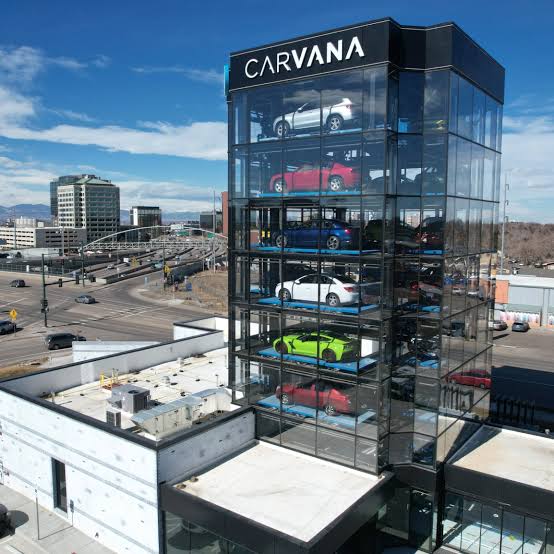
While traditional franchise dealerships find themselves trapped in a grind—wrestling with compressed margins on new inventory and intense local competition for trade-ins—Carvana’s national digital infrastructure allows it to absorb and redistribute this incoming wave of used inventory with highly optimized efficiency.

By shifting away from the localized constraints of a physical lot, the online auto retailer is benefiting from several structural advantages in the current economic landscape:
- Aggregating Off-Lease Volume: The massive influx of returning lease vehicles provides a highly desirable pool of inventory that bypasses traditional wholesale bottlenecking.
- Targeting the Value Shopper: As the widening divide between high-income wealth effects and lower-income affordability pressures accelerates trade-down behavior, Carvana’s algorithmic pricing structure captures the exact sweet spot buyers are migrating toward.
- Streamlining the Digital Transaction: Tighter budgets mean consumers are shopping purely on payment size and total value. An online-first model that integrates instant financing approval allows buyers to adjust parameters in real-time, matching their household capacity perfectly.
The Real Market Relief Valve
The broader automotive ecosystem is entering a highly fragmented era. As traditional manufacturers adjust assembly lines to meet shifting regulatory environments and fluctuating international demand, the used-car market has effectively become the primary financial relief valve for the average household.

Carvana’s aggressive plays to secure market share during this transition underline a deeper reality: the real value in today’s automotive economy isn’t necessarily found on the glittering floorboards of a flagship showroom. It’s found in the sophisticated management, reconditioning, and seamless digital delivery of the high-quality vehicles already on the road.