The art of culinary preparation at sea is dictated entirely by motion, space, and environment. When you are operating in a galley or a wet bar layout on a moving hull, the ultra-complex, multi-component dishes of land-based fine dining fall away. In their place emerges a need for absolute culinary efficiency: high-impact flavors, textural contrast, and dishes that can be assembled effortlessly without requiring an entire arsenal of pans or a perfectly stable counter.
When you are miles offshore, the ultimate sea-faring menu balances raw freshness with rugged practicality. Here is a breakdown of the definitive dishes to have at sea anchored by the undisputed king of the blue-water menu.
The Undisputed King: The Blackened Mahi-Mahi Burger
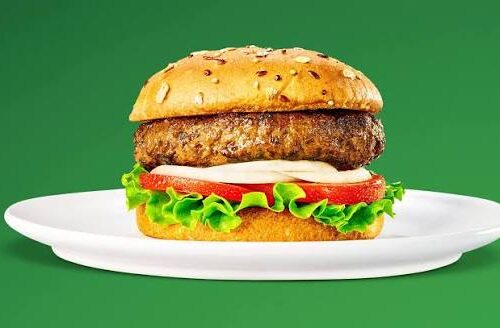
If you were to engineer the flawless mid-day fuel for a day on the water, it looks exactly like a Mahi-Mahi burger.

Mahi-Mahi (or Dolphinfish) is structurally perfect for the marine environment. Unlike delicate white fish that flakes apart and disintegrates the moment it hits a hot flat top or a cockpit grill, Mahi-Mahi has a firm, dense, almost steak-like muscle structure. It can take serious heat, making it the ideal canvas for a heavy crust of blackened spices—think paprika, cayenne, garlic powder, and wild thyme.
[ Soft, Toasted Brioche Bun ]
[ Cool, Lime-Spiked Cilantro Slaw ]
[ Crispy Pickled Red Onions / Avocado ]
[ Blackened, Seared Mahi-Mahi Fillet ]
[ Spicy Remoulade / Garlic Aioli ]
[ Soft, Toasted Brioche Bun ]
Why It Works at Sea:
- The Structural Integrity: Because the fish holds its shape, it can be eaten with one hand while the boat is underway or shifting on the swell. No cutlery required.
- The Flavor Profile: The fiery, smoky punch of the blackened seasoning cuts right through the salt air, while a topping of cool, lime-spiked cilantro slaw or sliced avocado creates an instant thermal and textural contrast.
- The Efficiency: It goes from the icebox to the grill to the plate in under ten minutes, keeping kitchen heat to an absolute minimum.
2. The High-Noon Refresher: The Salt-Cured Crudo or Ceviche
When the sun is directly overhead and the deck temperature rises, the last thing anyone wants is a heavy, heat-inducing meal. This is where a cold, acid-driven raw preparation shines.

Whether you are working with ultra-fresh kingfish, tuna, or snapper straight out of the fish hold, a sea-born crudo requires zero cooking elements. You are relying entirely on chemical cooking via citrus or a clean dressing.
Why It Works at Sea:
- The Preparation: Slice the fish thin, arrange it on a wide platter, and hit it with high-quality extra virgin olive oil, flaky sea salt, a squeeze of fresh lime juice, and finely shaved jalapeños or red onion.
- The Result: It is incredibly light, intensely clean, and preserves the natural, briny sweetness of the ocean. Pair it with crisp tortilla chips or data-clean crackers, and it serves as the ultimate social dish to pass around the cockpit while at anchor.
3. The One-Pot Anchor: The Mediterranean Seafood Skillet
When the afternoon winds pick up or a sudden downpour hits on the ride home, the menu needs to pivot from cold and refreshing to deep, warming comfort. A rustic, one-pot seafood stew or skillet is the ultimate solution.
Why It Works at Sea:
- The Setup: A single heavy-bottomed cast iron skillet or deep pan minimizes the risk of spills on a moving vessel.
- The Preparation: Sauté a base of chorizo, garlic, fennel, and crushed tomatoes, then drop in whatever seafood you have on hand—shrimp, chunks of firm fish, or mussels. Pour in a splash of dry white wine, pop the lid on, and let the steam do the work.
- The Experience: Served straight out of the skillet in the center of the table with torn pieces of crusty, garlic-rubbed bread to mop up the juices, it delivers maximum warmth, deep umami flavor, and requires virtually zero cleanup.
The Golden Rules of Cooking on the Water
- Keep One Hand for the Boat: Every element of the dish should be easy to hold, slice, or consume without requiring precision knife skills while sitting on a moving companionway.
- Control the Moisture: Avoid overly watery dishes that can slosh out of bowls. Use thick sauces, spreads, and reduction bases like aiolis and heavy pestos to anchor your ingredients to the plate or the bun.
- Pre-Prep the Aromatics: Chop your onions, herbs, and spices on land. When you’re out on the water, your focus should be on assembly and fire, not chasing loose garlic cloves across a stainless-steel galley countertop.