In the automotive world, Mulliner (along with Singer, Alfaholics, and Eagle) represents the absolute pinnacle of taking an iconic, older foundation, stripping it to its core, and re-engineering it with modern dynamics, bleeding-edge tech, and ultra-bespoke luxury.In the world of yachts, the “restomod” movement has officially arrived, and it is split between three distinct heavy-hitters depending on whether your taste leans toward sleek British motor yachts, Italian lake icons, or rugged ocean expedition hulls.Here are the names dominating the yacht restomod space:
1. SETAG Yachts: The Premium “Factory” RestomodIf you want the exact automotive equivalent of a factory-backed restomod, SETAG is arguably the closest thing to Mulliner in the marine sector. Based out of Plymouth and Poole (UK), they specifically hunt down classic hull designs from the 2000s and 2010s—predominantly Fairline, Princess, and Sunseeker—and completely remaster them. The Blueprint: They don’t just give old boats a facelift; they pull the original blueprints. In fact, SETAG’s leadership team consists of the original design directors and engineers who built those hulls the first time around.The Execution: They take a timeless, heavy fiberglass hull with great bones, rip the interior down to the bulkheads, and rebuild it using modern luxury materials, upgraded layouts, smart-home automation, and completely overhauled mechanical and navigation systems. The result is a boat that feels brand new, featuring a contemporary finish, but rides on a proven, classic hull.
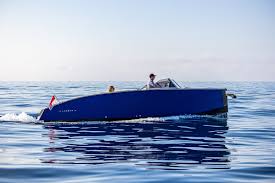
2. Lanéva Boats: The Neo-Retro Electric MastersIf your idea of a restomod is taking a gorgeous, vintage mid-century silhouette and dropping in a silent, high-performance modern powertrain, Monaco-based Lanéva is the answer. The Blueprint: They focus heavily on the ultimate vintage day-boats—classic wooden Rivas and high-end fiberglass tenders from the retro era.The Execution: They call their process “Nautical Restomod.” They preserve the legendary, heart-stopping exterior wood and chrome lines, but extract the old, maintenance-heavy internal combustion engines. In their place, they engineer a fully custom, zero-emission electric powertrain with modern high-voltage battery arrays. It’s the maritime equivalent of an electrified classic Porsche 911—vintage soul, silent torque, and effortless modern reliability.

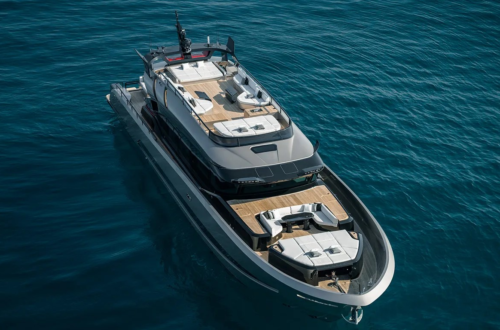
3. Xplorer Yachts & Cooley Marine: The Icons Reimagined For specific hull legends, individual boutique builders are treating classic shapes like blank canvases for mechanical perfection.Cooley Marine: They turned heads by taking a iconic 1969 Bertram 31 hull (a legendary deep-V fishing platform) and executing a total down-to-the-stringers restomod project named “Old Fashioned.” They combined the classic 60s lines with cutting-edge composite boatbuilding, state-of-the-art outboards, and modern luxury finishes. Xplorer Yachts: Moving up to the superyacht tier, this outfit specializes in Expedition Vessel Restomods. They find older, incredibly robust DNV ice-class research hulls (commercial or military ships with unstoppable structural integrity) and convert them into ultra-luxury global explorer yachts with modern hybrid systems and high-end amenities for a fraction of the cost of a clean-sheet new build.

The Appeal: Why Restomod a Hull?Just like a classic car, the marine restomod movement is driven by two main factors:Soul and Aesthetics: Modern boat designs can sometimes lean heavily into looking like aggressive, angular plastic spaceships. Older hulls often possess a timeless posture, elegance, and balance that is missing from modern production lines.Structural Integrity: Hulls built during the peak eras of fiberglass or custom timber ringframes were often over-engineered by default. Remastering them gives you structural confidence that is difficult to replicate without spending millions on a custom new build.