Moving the Asian Le Mans Series (ALMS) entirely to Southern Europe is one of the most fascinating and pragmatic—pivots the sport has seen recently. Championship boss Frédéric Lequien and co-promoter Stéphane Ratel (head of the SRO) are facing a complex geopolitical reality in the Middle East, forcing a decision that essentially transforms a winter series historically tied to Asia into a European winter championship.

If the geopolitical situation prevents racing at Dubai Autodrome and Yas Marina Circuit, the series will fall back on iconic venues like Barcelona, Paul Ricard, and Portimão between November and February. Organizers openly admitted that keeping a standalone season finale at Sepang (Malaysia) without the Middle Eastern leg makes zero financial sense due to freight costs, meaning a total relocation to Europe is the most logical plan.

Despite the geographic shift, the series is retaining its “Asian Le Mans” branding—acting as the crucial winter feeder that awards coveted automatic invitations to the 24 Hours of Le Mans.
Here is how the grid shapes up based on the most recent complete season, alongside the structural updates breaking for the 2026/2027 transition.
The Dynamic Shift: Class Structure for 2026/2027
The upcoming season is bringing massive grid updates that track right along with global sports car trends:
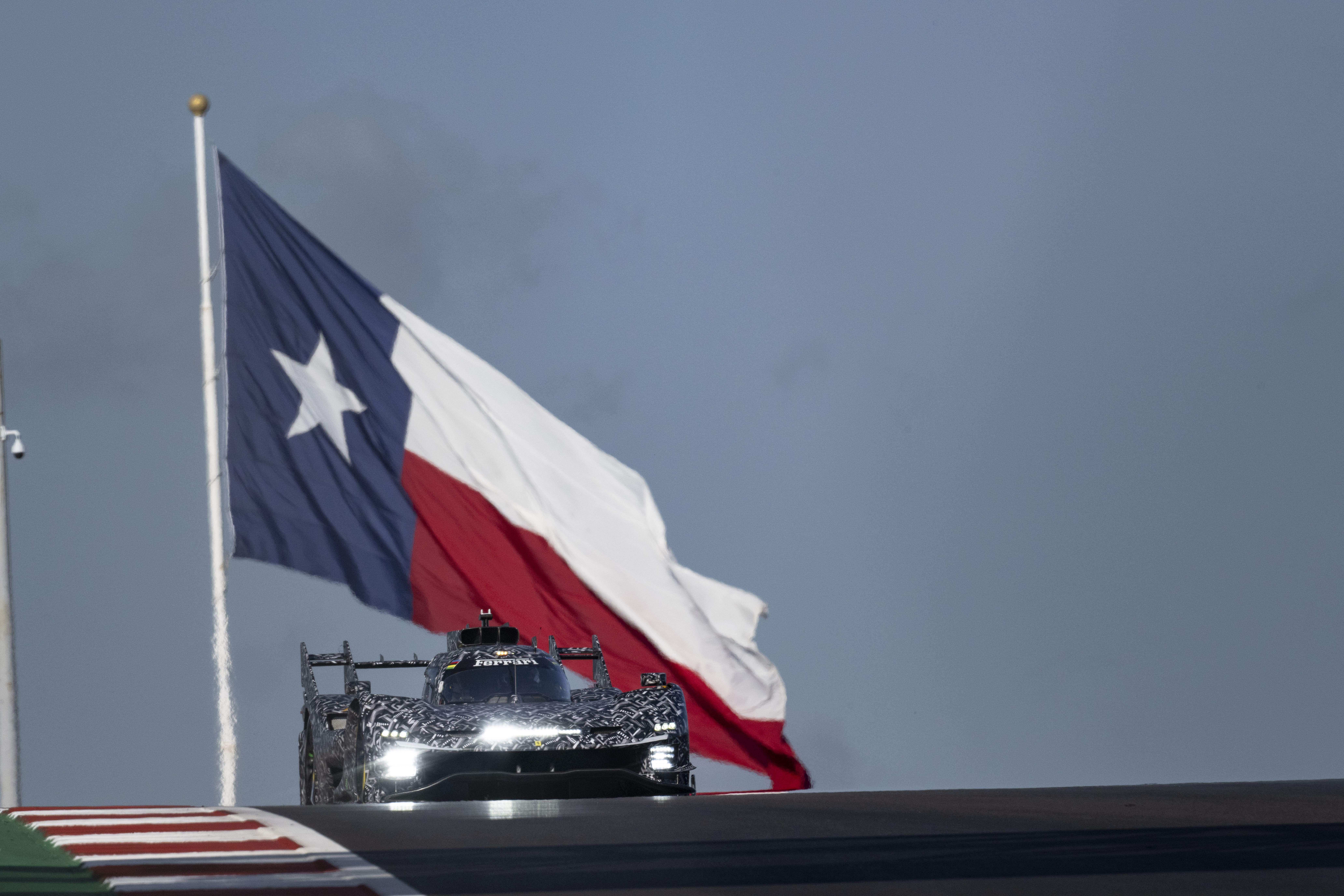
- Hypercar Debut: Top-tier Le Mans Hypercars (LMH) and LMDh machinery are joining the grid. Expect between three to six top-class entries. Francois Perrodo is already in talks for an AF Corse customer Ferrari 499P Hypercar effort.
- The LMP3 Split: To accommodate Hypercars, the LMP3 class is being completely spun off into its own standalone series called the Asian Le Mans Cup, which will mirror the European Michelin Le Mans Cup sprint format (GT3 and LMP3 together).
Current Champions & Standings (The Benchmarks)
To understand who will dominate this European winter stretch, these are the reigning title holders and top drivers from the most recently completed championship cycle:
1. LMP2 (The Prototype Headliners)
The top tier was an absolute dogfight dominated by Algarve Pro Racing and elite factory talent moonlighting in the winter.
Position | Team | Key Drivers | Notes |
|---|---|---|---|
1st (Champions) | #25 Algarve Pro Racing | Malthe Jakobsen / Michael Jensen / Valerio Rinicella | Jakobsen (Peugeot Hypercar factory driver) spearheaded a dominant three-victory campaign. |
2nd | #30 RD Limited | James Allen / Fred Poordad / Tristan Vautier | Romain Dumas’s outfit took a win at the Sepang opener and pushed the title race to the wire. |
3rd | #83 AF Corse | François Perrodo / Alessio Rovera / Matthieu Vaxivière | The ultra-experienced French/Italian trio secured the season-finale victory at Yas Marina. |
2. GT3 (The Production Supercars)
The GT class featured an incredible variety of machinery, including a fierce battle between Porsche, Mercedes-AMG, and Ferrari.
Position | Team | Car | Key Drivers |
|---|---|---|---|
1st (Champions) | #10 Manthey Racing | Porsche 911 GT3 R (992) | Antares Au / Klaus Bachler / Joel Sturm |
2nd | #92 Manthey EMA | Porsche 911 GT3 R (992) | Ryan Hardwick / Richard Lietz / Riccardo Pera |
3rd | #99 Herberth Motorsport | Porsche 911 GT3 R (992) | Ralf Bohn / Alfred Renauer / Robert Renauer |
Note: The high-profile #85 Iron Dames squad (Sarah Bovy, Michelle Gatting, Célia Martin) also campaigned their Lamborghini/Porsche efforts heavily throughout this past championship leg.
3. LMP3 (Outgoing Class Champions)
- Champions: #35 Ultimate (Matteo Quintarelli / Stéphane Lémeret / Bence Válint) took the crown just ahead of RLR MSport. Moving forward, these teams will transition to the newly formed Asian Le Mans Cup.
The “Pinkies Down” Perspective
What makes this relocation genuinely compelling from an analytical standpoint is how it changes the technical variables for the engineering crews.
Running sports cars in the Middle East during the winter usually guarantees stable, dry track temperatures and dusty, low-grip track surfaces. Moving those exact same rounds to the south of Europe in December and January introduces completely different challenges: damp morning fog, wildly fluctuating track temperatures that mess with tire warm-up cycles, and the unpredictable, high-degradation track surface of places like Portimão or Barcelona.
It strips away the commercial luxury aesthetic of racing in Abu Dhabi and turns it into a gritty, cold-weather test of mechanical grip, setup adaptability, and pure driver discipline.