There is a unique kind of endurance that belongs entirely to the long-form shonen fan. We are a crowd that measures storytelling not in seasonal blocks, but in decades. We watch characters grow from lonely outcasts into absolute forces of nature, tracking their world-building across hundreds of chapters.
But when a massive titan goes dark, the waiting is absolute agony.
After waiting a literal decade to see Bleach return to our screens with the Thousand-Year Blood War, a burning question hung over the entire community: Would the payoff be worth it? And on the other side of the legendary aisle stands One Piece, the undisputed king of longevity, holding secrets in its past arcs that still dictate the entire direction of the global story today.
Let’s look directly at what makes these long-distance sprints the absolute blueprint of otaku hype.
The Bleach Renaissance: Bloodlines, Bankai, and the Ultimate Payoff

For ten long years, Bleach fans survived on memories. We remembered the hollow-infested sands of Hueco Mundo (often fondly called Wakomondo by fans), the chilling, pink-petaled majesty of Byakuya Kuchiki’s Senbonzakura, and even the chaotic, comedic relief of Kon’s random antics. We had been there through it all.
But the return of the anime didn’t just rehash the past—it completely shattered the foundation of everything we thought we knew about Ichigo Kurosaki.
[ THE KUROSAKI NEXUS ]
Soul Reaper Power <—> Inner Hollow <—> Quincy Bloodline
(Isshin Kurosaki) (White / Zangetsu) (Masaki Kurosaki)
The revelation of the Quincy bloodline running through Ichigo’s veins turned a standard shonen power-up journey into a deeply tragic, masterfully woven family tapestry. The realization that the old man “Zangetsu” who guided him from day one was actually the manifestation of his inner Quincy powers—modeled after the ruthless Emperor Yhwach himself—completely recontextualized every single fight in the series.
- The Internal Balance: Ichigo wasn’t just fighting external villains; his soul was a constant, three-way warzone between Soul Reaper grit, primal Hollow instinct, and calculating Quincy legacy.
- Inoue, Sweet Inoue: Through all the cosmic violence, Orihime Inoue remained the ultimate emotional anchor. Her unwavering empathy and growth from a protected friend to a vital, shield-wielding defender during the final, catastrophic war proved that her presence was worth every single second of the long journey.
The verdict on the decade-long wait? It wasn’t just worth it—it redefined the visual and narrative standard of modern anime comebacks.
One Piece: The Architecture of Absolute Despair
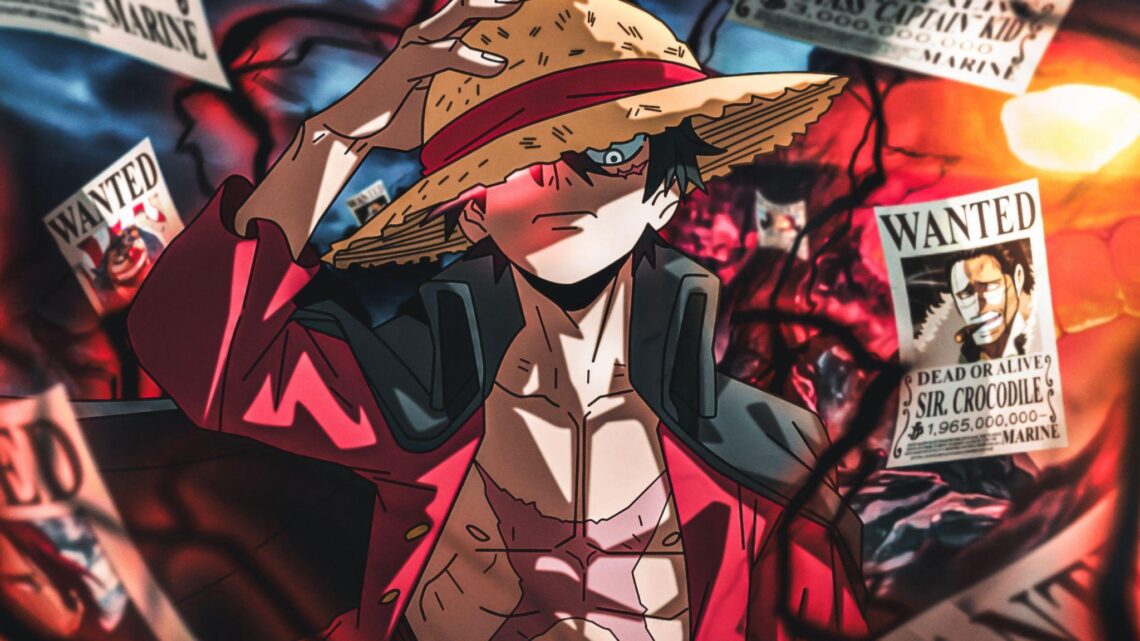
While Bleach mastered the art of the explosive return, One Piece stands alone as the longest-running, most intricate narrative puzzle ever put to paper. To understand why it holds global audiences in a chokehold after 1,000+ episodes, you have to look at the pillars built in its most legendary, dark transition arcs: Enies Lobby and Impel Down.

“Inherited Will, the Destiny of Age, and the Dreams of People. As long as people continue to pursue the meaning of Freedom, these things will never cease to be.”
Enies Lobby: The Declaration of War
Enies Lobby remains an untouched monument of emotional hype. It is the arc where the Straw Hat crew stopped being a group of roaming pirates and officially became global revolutionaries. The visual of Sogeking shooting down the World Government flag, followed by Robin’s tear-stained scream of “I want to live!”, sets a standard for narrative stakes that very few stories ever reach. It proved that in the Grand Line, freedom isn’t a state of mind—it is a brutal, physical war against an oppressive global regime.
The Bottom of Impel Down: The Depths of the Abyss
If Enies Lobby is about defiance, Impel Down is about absolute, suffocating claustrophobia. Luffy’s desperate descent down the six levels of the World Government’s ultimate underwater maximum-security prison is a masterclass in pacing.
Level 1: Crimson Hell —> Level 4: Blazing Hell —> Level 6: Eternal Night (The Abyss)
At the absolute bottom—Level 6: Eternal Night—the story strips away the bright, adventurous tone of the early seas. This is the dark vault where the world’s most terrifying, genocidal figures are completely erased from history. Descending into that abyss wasn’t just a prison break; it was a terrifying look at the literal underbelly of the One Piece world, setting up the devastating stakes of the Marineford War and introducing figures whose shadows still loom over the final saga today.
The Epic | The Long-Term Focus | The Ultimate Narrative Hook |
|---|---|---|
Bleach (TYBW) | The internal inheritance of the soul | Merging three distinct racial power systems into a single, unified protagonist. |
One Piece (Enies/Impel) | The external dismantling of global tyranny | A continuous, unbroken line of historical secrets connecting an ancient past to a world war. |
The Verdict: Trust the Journey
The longest-running anime masterfully demonstrate that true plot depth cannot be rushed into a tiny broadcast window. Whether it is waiting ten years to finally watch Ichigo understand the true nature of his swords, or traveling thousands of episodes to see what lies at the bottom of the world’s most secure ocean trench, the payoff lands with a devastating impact because we ran the marathon alongside the heroes. Put the time in, trust the slow burn, and turn the volume all the way up.