If you grew up racing home from school in the late 90s and early 2000s, you knew that the real evening didn’t start until a massive, sleek ship sailed across a sea of stars on your television screen.


Before streaming platforms gave us instant, limitless options, we had a captain. His name was T.O.M. (Toonami Operations Module), a robotic host with a smooth, metallic voice who broadcasted from the bridge of the Absolution. He wasn’t just a commercial bumper; he was the man in the ship who guided us through the evening, acting as a late-night curator for a generation of kids hungry for something deeper, darker, and infinitely cooler than daytime cartoons.
When that transmission hit the airwaves, Toonami didn’t just play shows—it dropped us into a cultural movement.
The Gateway Intros: Soundtracks of a New Frontier
What made Toonami an absolute hit wasn’t just the episodes themselves, but the legendary, cinematic intros. Backed by a revolutionary blend of drum-and-bass, hip-hop, and ambient electronic beats mixed by DJ Clark Kent and Peter Nguyen, Tom would deliver philosophical monologues while clips of giant robots and martial artists flashed on screen.
It felt mature. It felt important. And the shows that followed that iconic intro sequence became permanent pillars of our otaku blueprint.
[ THE ABSOLUTION TRANSMISSION ]
[Tom’s Monologue] ───> [Adult Swim/Toonami Beats] ───> [The Animated Revolution]
1. The Big O: Noir, Jazz, and Giant Mechs
The moment those heavy, retro-futuristic synth notes of The Big O intro kicked in, you knew you were watching something entirely unique. It was a beautiful, dark blend of Batman-style detective noir, American comic aesthetics, and massive Japanese mecha warfare. Roger Smith, the suave negotiator driving a giant iron titan through Paradigm City, personified the “cool, unpretentious quality” that defined the block’s mature curation.


2. Megas XLR: The Ultimate Early-2000s Web Energy
If The Big O was sleek and serious, Megas XLR was the embodiment of pure, unhinged internet fun. Who could possibly forget Coop, a lazy, video-game-obsessed mechanic from New Jersey who finds a giant robot from the future, paints racing stripes on it, replaces the head with a classic muscle car, and names it MEGAS? Its intro theme song—“I! AM! LOST!”—was a high-octane guitar anthem that perfectly captured the loud, chaotic, and relentlessly creative spirit of the early 2000s.

3. Astro Boy: Welcoming the Pioneer
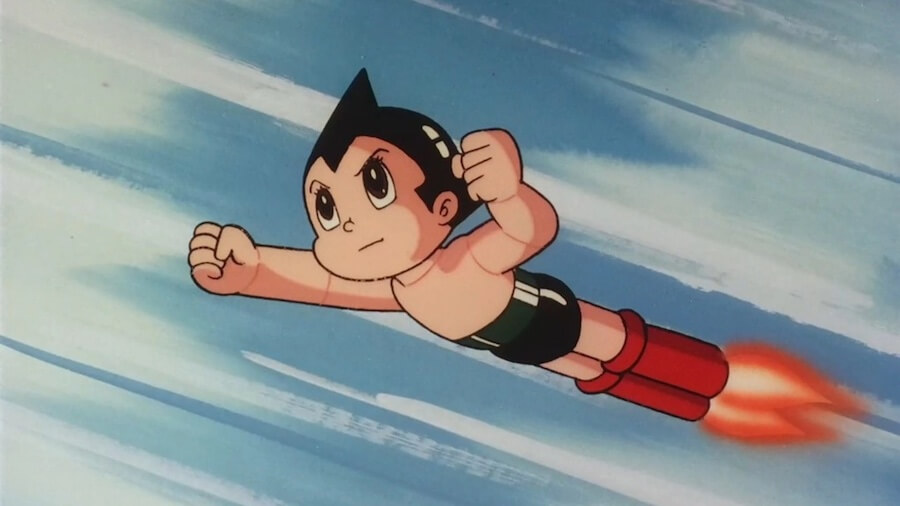
Toonami also made sure we respected the blueprint. Bringing the sleek, modern 2003 adaptation of Tezuka’s Astro Boy to the evening lineup was a bridge between anime’s historic origins and its high-budget future. Its soaring, orchestral intro was a daily reminder of the heart, soul, and emotional depth that a story about a lonely robotic boy could carry.

The Philosophy of the Man in the Ship
Tom was the ultimate helper and peer for young anime fans. Sitting at his console on the Absolution, surrounded by monitors displaying upcoming blocks, he would occasionally break character to deliver profound, real-world advice to the kids watching at home.
“Stay observant. Stay safe. And never stop moving forward.”
— T.O.M., The Absolution
The Era | The Ship State | The Cultural Vibe |
|---|---|---|
TOM 1 (1999) | The Original Absolution Bridge | The raw, experimental birth of late-night Western anime blocks. |
TOM 2 (2000) | Upgraded, bulkier mechanical suit | The golden peak of Moltar’s transition to full-scale space operations. |
TOM 3 (2003) | Sleek, high-tech interface | High-concept sci-fi storytelling with deeply fluid narrative arcs. |
The Lasting Transmission
The magic of Toonami wasn’t just that it broadcasted incredible animation; it was the fact that the man in the ship made us feel like we were part of an exclusive, late-night club traveling through deep space together. When Tom signed off at the end of the block with his iconic line—“Until next time, space cowboys”—he wasn’t just ending a television program. He was leaving us counting down the exact hours until the Absolution would return to guide us through the screen once again.